
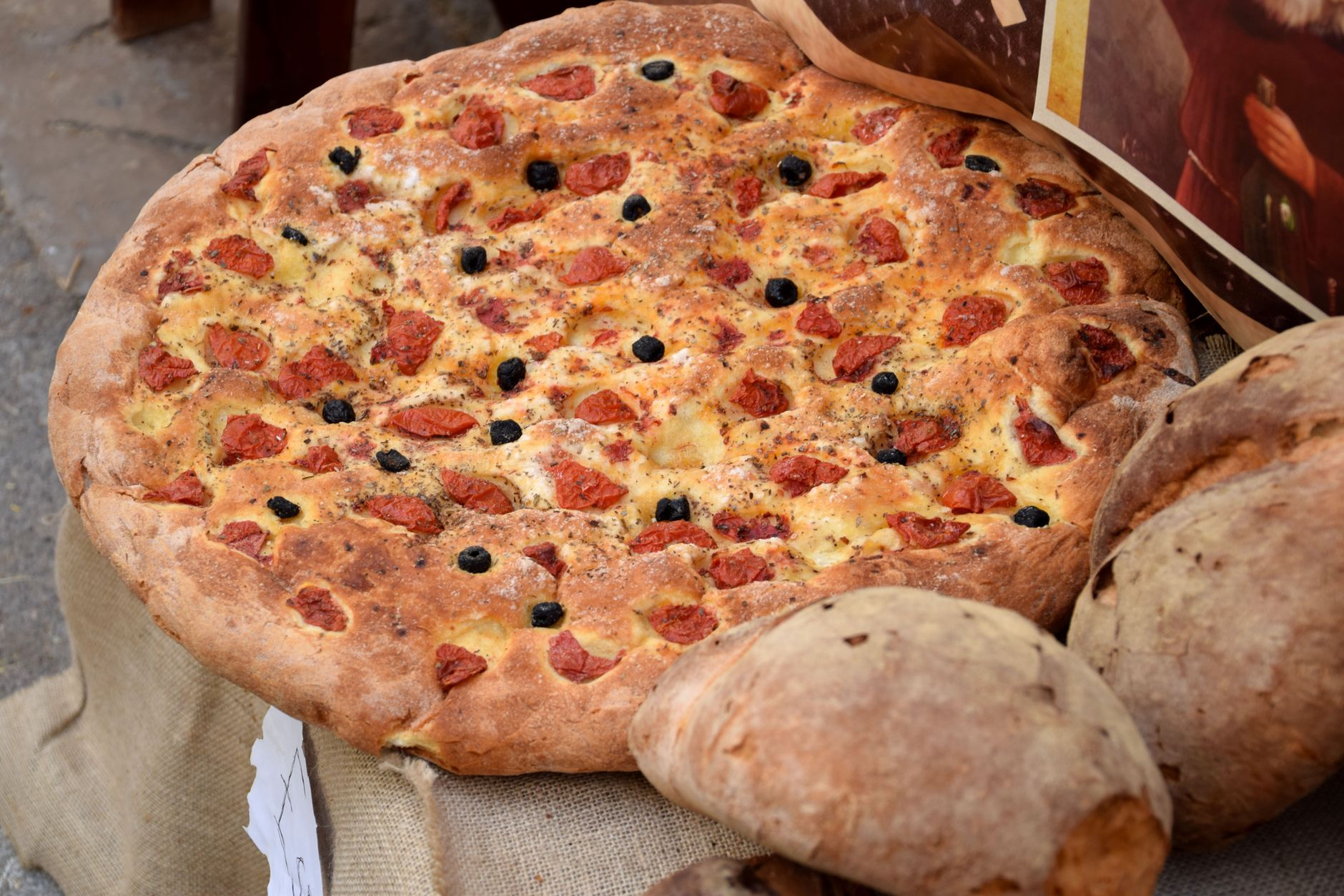
Pugliese bread is a traditional Italian bread originating from the Puglia region, known for its distinct texture, flavor, and rustic appearance. With a chewy crust and a soft, airy crumb, it is a versatile bread ideal for various culinary applications.
This article delves into the unique qualities of Pugliese bread, including its key ingredients, flavor profile, and numerous uses in cooking. Whether you are a bread lover or a culinary novice, understanding this bread can enhance your cooking repertoire.
What Is Pugliese Bread?
Pugliese bread is a traditional Italian bread made with simple ingredients like flour, water, salt, and yeast. Characterized by its high hydration and distinctive, rustic appearance, it boasts a crusty exterior and a soft, airy crumb. This bread’s unique texture is a defining feature, making it a preferred choice for sandwiches, bruschetta, and as a side to a variety of dishes.
Ingredients Used in Pugliese Bread
The main ingredients in Pugliese bread contribute to its flavor, texture, and structure. Here is a breakdown of what you need:
- Flour: Typically, a high-protein bread flour or a mix of durum wheat flour and all-purpose flour is used. The higher protein content facilitates gluten development, which is crucial for the bread’s texture.
- Water: A large proportion of water is essential for achieving the high hydration dough characteristic of Pugliese bread. This contributes to the bread’s open crumb structure.
- Salt: Enhances the flavor and controls fermentation, providing balance to the bread.
- Yeast: Most recipes use active dry yeast or fresh yeast to help the bread rise. Some artisanal bakers opt for natural sourdough starter, which imparts additional flavor and complexity.
Taste and Texture of Pugliese Bread
Pugliese bread has a delightful combination of tastes and textures. The crust is thick, crunchy, and golden brown, while the interior is soft, chewy, and airy, featuring irregular holes. The flavor is subtly sweet with a slightly nutty undertone, a result of the high-quality flour and fermentation process. Its unique combination of flavors and textures makes it a cherished choice in Italian cuisine.
Culinary Uses of Pugliese Bread
The versatility of Pugliese bread makes it suitable for various culinary applications. Here are some popular ways to enjoy it:
1. As a Standalone Bread
Pugliese bread can be served with a meal, whether alongside soups, stews, or salads. Its robust crust and soft interior make it ideal for mopping up sauces and gravies.
2. Sandwiches
Thanks to its sturdy structure, Pugliese bread is perfect for sandwiches. It can hold hearty fillings such as cured meats, cheeses, and roasted vegetables without getting soggy.
3. Bruschetta
Pugliese bread is excellent for bruschetta. Toast slices until golden brown and top them with fresh tomatoes, basil, olive oil, and balsamic vinegar for a delicious appetizer.
4. Toasted Slices
Toasted slices of Pugliese bread can be enjoyed with various toppings like avocado, hummus, or spreads for breakfast or snacks.
5. Dipping Bread
Serve Pugliese bread with a dipping oil made of olive oil, herbs, and spices as a simple yet elegant appetizer or side.
How to Make Pugliese Bread
If you’re interested in trying your hand at making Pugliese bread, here’s a detailed recipe to guide you through the process.
Recipe Overview
This recipe yields two medium-sized loaves of Pugliese bread.
- Prep Time: 20 minutes
- Rest Time: 3 hours (including folding intervals)
- Baking Time: 30-35 minutes
- Total Time: Approximately 4 hours
Ingredients
- 3 ½ cups (450g) bread flour
- 1 ½ cups (360ml) lukewarm water
- 2 teaspoons (10g) salt
- 1 teaspoon (3g) active dry yeast
Essential Equipment
- Large mixing bowl
- Wooden spoon or spatula
- Kitchen scale (preferred for accuracy)
- Proving basket or bowl lined with flour-dusted cloth
- Baking stone or baking sheet
- Pizza peel or flat board (for transferring bread)
- Sharp knife or bread lame (for scoring)
Step-by-Step Instructions
- Mix the Dough: In a large mixing bowl, combine the lukewarm water and the yeast, allowing it to dissolve for about 5 minutes. Gradually add the bread flour and salt, mixing with a wooden spoon until no dry flour remains.
- Autolyse: Cover the bowl with a damp cloth or plastic wrap and let the dough rest for about 1 hour. This process helps to develop gluten structure naturally.
- Stretch and Fold: After the autolyse, perform a series of stretch and folds within the bowl. With wet hands, pull one edge of the dough up and fold it over itself. Rotate the bowl and repeat this process four times (one for each side), then cover the bowl again for about 30 minutes. Repeat this step two more times, for a total of three sets.
- Shape the Dough: After the final stretch and fold, turn the dough out onto a lightly floured surface. Gently shape it into a round by tucking the edges under. Be careful not to degas the dough too much.
- Proof the Dough: Place the shaped dough into a well-floured proving basket or a bowl lined with a floured cloth, seam side up. Cover and let it proof for about 1-2 hours, or until it has noticeably increased in size.
- Preheat the Oven: About 30 minutes before baking, preheat your oven to 450°F (232°C). If using a baking stone, place it in the oven to heat up.
- Transfer and Score: Once the dough is ready, carefully turn it out onto a baking sheet or pizza peel. Use a sharp knife or bread lame to score the surface of the dough, creating a pattern for expansion.
- Bake: Place the dough in the preheated oven, either directly on the baking stone or on a baking sheet. Bake for 30-35 minutes until the crust is a deep golden brown and the internal temperature reaches 200°F (93°C).
- Cool: Once baked, remove the bread from the oven and let it cool on a wire rack before slicing. This cooling period helps to set the crumb structure.
Common Mistakes & Troubleshooting
As with any baking process, making Pugliese bread comes with a few challenges. Here are some common mistakes and solutions:
Dough Too Sticky
If the dough feels excessively sticky even after proper mixing and proofing, it may need additional flour during shaping. But be cautious—too much flour can alter the bread’s texture.
Dense Bread
A dense or heavy loaf may occur due to underproofing or insufficient gluten development. Ensure proper stretch and fold technique and allow enough time for proofing.
Uneven Crust Color
If the crust is unevenly colored, it could be due to varying oven temperatures. Consider rotating the bread halfway through the baking cycle for uniform color.
Storage and Reheating
To store Pugliese bread, allow it to cool completely, then wrap it in a clean kitchen towel or paper bag to maintain air flow. Avoid plastic wrap, which can trap moisture and make the crust soft. If you plan to keep it for more than a day, freezing is an option. Wrap the bread tightly in plastic wrap and then in aluminum foil before freezing. To reheat, thaw at room temperature and warm it in a preheated oven for about 10 minutes.
Variations and Substitutions
Pugliese bread can be customized. Here are a few variations and substitutions to consider:
- Flour Type: Experiment with different types of flour such as whole wheat or spelt. These will add complexity but may alter the hydration levels, so adjust your water accordingly.
- Herbs and Spices: Add herbs like rosemary or spices such as garlic powder to infuse extra flavor into the bread.
- Seeds and Nuts: Incorporate sunflower seeds, pumpkin seeds, or nuts into the dough for added texture and nutrition.
Pugliese Bread in Regional Cuisine
Pugliese bread holds cultural significance in Italy, particularly in the Puglia region. It is often served at family gatherings and celebrations as a staple bread. Its rustic qualities make it ideal for pairing with local foods, such as grilled vegetables, fresh seafood, and rich tomato-based dishes, typical of southern Italian cuisine.
Conclusion
Pugliese bread is more than just a loaf; it embodies the traditions of the Puglia region and offers a delightful culinary experience. Its straightforward ingredients and versatile uses make it a great addition to any bread baking enthusiast’s repertoire.
To explore more delicious recipes and tips, consider checking out our guides on Einkorn Bread Recipe and Sourdough Baguette Recipe.