
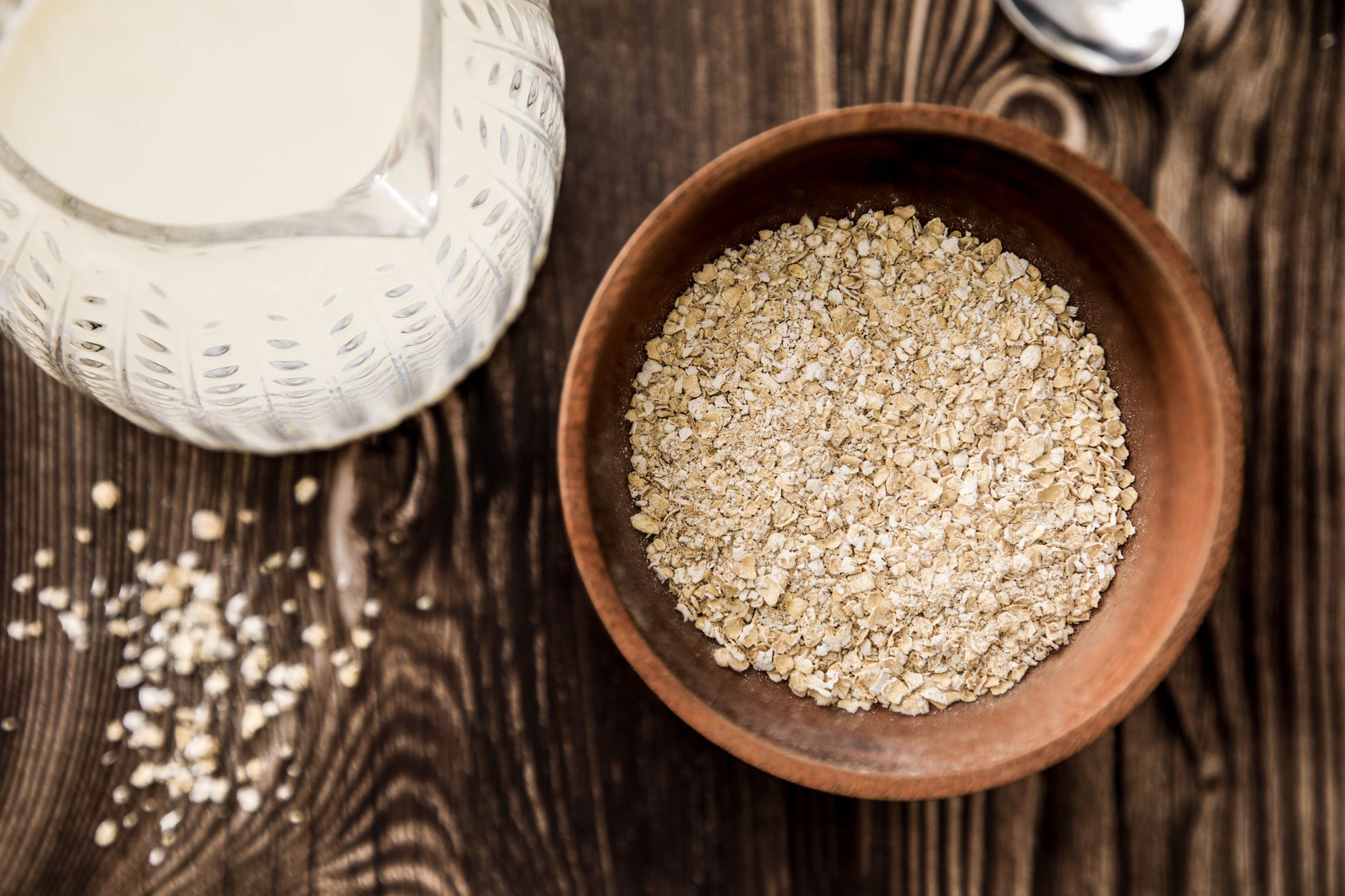
Oat milk has surged in popularity as a plant-based alternative to dairy milk, praised for its creamy texture and subtle sweetness. Many people switch to oat milk not just for taste, but also for its nutritional benefits, particularly its fiber content. Understanding the fiber in oat milk can help you make informed choices about your diet.
In this article, we will explore whether oat milk contains fiber, the nutritional benefits it offers, and how it can fit into your meal plan. We will also provide insights on different brands, possible substitutions, and serving suggestions for incorporating oat milk into your daily routine.
Does Oat Milk Have Fiber?
Yes, oat milk does contain fiber, though the amount can vary depending on the brand and type of oat milk you choose. On average, a cup of oat milk may have around 1 to 2 grams of dietary fiber. This fiber primarily comes from the oats used in the milk’s production. While not as high in fiber as whole oats, oat milk still contributes to your daily fiber intake.
Understanding Dietary Fiber
Dietary fiber is an essential component of a healthy diet, promoting digestive health and providing various benefits. It comes in two main forms: soluble and insoluble fiber. Soluble fiber can help lower cholesterol levels and regulate blood sugar, while insoluble fiber aids in digestion and helps maintain bowel health.
In oat milk, most of the fiber is soluble, primarily in the form of beta-glucans. This specific type of soluble fiber is known for its health benefits, including cholesterol reduction and improved heart health.
Nutritional Facts of Oat Milk
To better understand what you’re getting from oat milk beyond its fiber content, let’s take a look at the typical nutritional profile. The values can vary based on the brand and whether the milk is fortified, sweetened, or flavored.
| Nutrient | Per 1 cup (240 ml) serving |
|---|---|
| Calories | 120-130 |
| Total Fat | 5-7 grams |
| Saturated Fat | 0.5-1 gram |
| Carbohydrates | 16-20 grams |
| Fiber | 1-2 grams |
| Protein | 3 grams |
| Calcium | 300-450 mg (if fortified) |
| Vitamin D | 2.5-5 mcg (if fortified) |
As you can see, oat milk is relatively low in calories and fat while providing a moderate amount of carbohydrates and protein. The fiber content, while not exorbitant, adds to the overall nutritional benefits, especially when incorporating it into a balanced diet.
Types of Oat Milk
Not all oat milk is created equal. There are several varieties available on the market, each offering different nutrients and fiber content. Here’s a closer look:
- Original Oat Milk: Typically unsweetened, this version retains more of the natural flavors and nutrients of oats, including fiber. It is excellent for cooking and baking.
- Sweetened Oat Milk: This variant often has added sugars, which can enhance flavor but reduce the health benefits of natural oat milk. The fiber content remains similar to original varieties.
- Fortified Oat Milk: Many brands fortify their oat milk with additional vitamins and minerals, such as calcium and vitamin D. This version is especially good for those looking to supplement their diet.
- Barista Oat Milk: This option is specifically designed for use in coffee and espresso drinks. It typically contains higher fat content, which helps create a creamy texture, and may also have added fiber.
Incorporating Oat Milk into Your Diet
Oat milk is versatile and can easily be included in various meals and snacks throughout the day. Here are some practical ways to incorporate it into your diet:
1. Breakfast Ideas
- Oatmeal: Use oat milk as the cooking liquid for your morning oatmeal to enhance creaminess while adding flavor and fiber.
- Smoothies: Blend oat milk with fruits and greens for a nutritious smoothie packed with fiber without overwhelming flavors.
- Pancakes or Waffles: Substitute oat milk for dairy milk in your pancake or waffle batter for added flavor and a touch of extra fiber.
2. Cooking and Baking
- Soups and Sauces: Use oat milk in creamy soups or sauces as a dairy alternative, maintaining a smooth texture.
- Baking: Replace regular milk with oat milk in baked goods like muffins, cakes, or bread for a subtle oat flavor.
- Savory Dishes: Incorporate oat milk into casseroles or creamy pasta dishes for an added layer of richness.
3. Beverages
- Coffee: Use oat milk in your morning coffee or latte for a creamy, plant-based option.
- Chai or Herbal Teas: Add oat milk to chai lattes or herbal teas for added creaminess and flavor.
Practical Tips for Choosing Oat Milk
When shopping for oat milk, consider the following to ensure you choose the best version for your needs:
- Check Labels: Read the ingredient list and nutrition facts to understand the fiber content, sugar levels, and any additional additives.
- Opt for Unsweetened Options: Unless you are using oat milk for sweetening, unsweetened varieties are generally healthier choices with lower sugar content.
- Consider Fortifications: If you’re concerned about nutrients like calcium and vitamin D, select fortified brands to help supplement your intake.
Fiber Content Compared to Other Milks
When comparing oat milk to other plant-based milks, it’s helpful to understand how its fiber content stacks up:
- Almond Milk: Typically contains 0-1 gram of fiber per cup, making it lower in fiber compared to oat milk.
- Coconut Milk: Also low in fiber (0 grams in most varieties), it offers a rich, distinct flavor but lacks the fiber benefits.
- Soy Milk: Similar in fiber content, providing 1-2 grams per cup, alongside a higher protein content.
Potential Concerns and Considerations
While oat milk has many benefits, there are a few considerations to keep in mind:
- Allergies: If you are allergic to gluten, ensure that the oat milk is certified gluten-free, as cross-contamination can occur.
- Caloric Content: Some varieties can be higher in calories due to added sugars or fats, so read labels if you are monitoring your intake.
- Additives: Some brands add preservatives, thickeners, and stabilizers. Opt for those with minimal additives when possible.
Common Mistakes When Using Oat Milk
When transitioning to oat milk, there are common pitfalls to avoid:
- Assuming All Oat Milks are the Same: As discussed, brands vary greatly in nutritional content, taste, and use. Be sure to choose the right one for your needs.
- Using Unfamiliar Substitutes: Oat milk has different properties than cow’s milk, which might affect the texture or taste of certain dishes. Experiment carefully to find the right balance.
- Neglecting to Shake the Carton: Oat milk can separate, especially if it’s been sitting for a while. Always shake it well before pouring.
Make-Ahead Tips
Oat milk can be made at home with a few simple ingredients, allowing you to control the fiber content and avoid additives. Here’s a quick method:
Homemade Oat Milk
- In a blender, combine 1 cup of rolled oats with 4 cups of water.
- Blend on high for 30-45 seconds until well blended. Avoid over-blending to minimize sliminess.
- Strain the mixture through a nut milk bag or fine mesh strainer into a bowl or pitcher.
- Store the oat milk in an airtight container in the refrigerator for up to 5 days. Be sure to shake before each use.
Storage and Shelf Life
Unopened oat milk generally has a shelf life of around 7-10 months, stored in a cool, dark place. Once opened, it should be refrigerated and consumed within 7-10 days. Homemade oat milk should be consumed within 5 days for the best flavor and freshness.
For longer storage of homemade oat milk, consider freezing it in ice cube trays, allowing you to use it in smoothies or cooking without wasting any.
Final Thoughts
Oat milk is an excellent option for those seeking a creamy, plant-based alternative to dairy milk while incorporating some fiber into their diets. With various recipes and uses, adding oat milk to your meals can enhance both flavor and texture. As with any food choice, be mindful of the nutritional content and opt for unsweetened, fortified varieties when possible.
To get started with your oat milk journey, consider incorporating it into your breakfast options, cooking, or as a creamy addition to your favorite beverages. Explore other fibers by checking out the fiber in kale or the fiber content in bananas for more balanced meal planning.
For more delicious recipes and cooking inspiration, visit our guides on kale’s fiber content and fiber in bananas.