
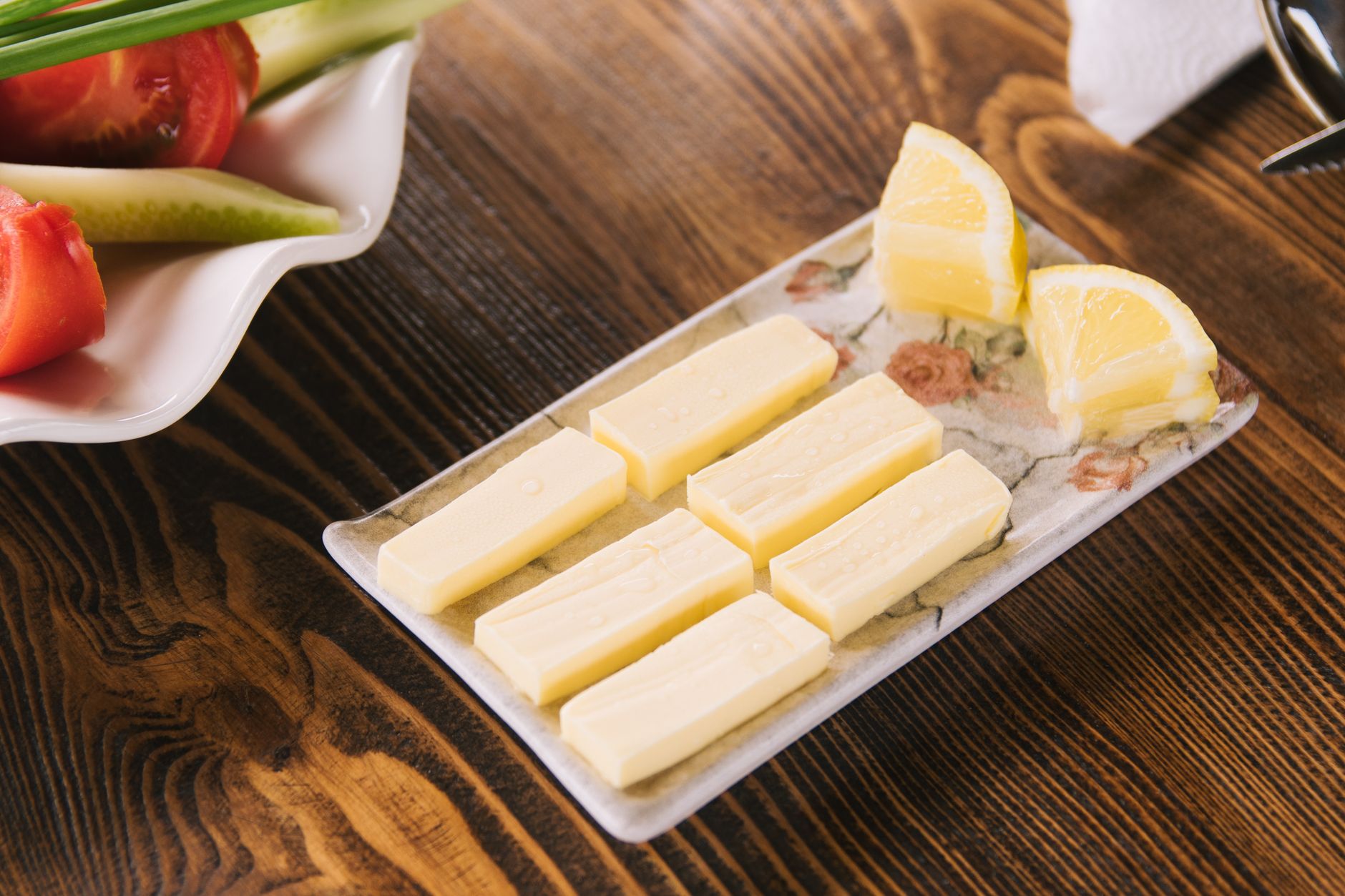
Understanding the conversion of measurements in cooking can be particularly useful, especially when it comes to baking and cooking with butter. One common question among home cooks is, “Half cup of butter is how many sticks?” Knowing this conversion can help streamline your cooking process and ensure you have the right amount of ingredients on hand.
In this article, we will explore butter measurements, the significance of butter in culinary applications, tips for measuring accurately, and some practical substitutions if you run out of butter. Whether you’re baking a cake, preparing a sauce, or simply cooking, having the correct amount of butter can make a substantial difference in your recipe’s outcome.
Half Cup of Butter Is How Many Sticks?
Half a cup of butter is equivalent to one stick of butter. In many countries, especially in the United States, butter typically comes in sticks that are 1/2 cup each. Therefore, if a recipe calls for 1/2 cup of butter, you can directly use one stick without any further measurement needed.
Understanding Butter Measurements
Butter comes in various forms and measurements, making it essential to understand how to convert them accurately. Here are the most common measurements of butter and their equivalent conversions:
- 1 tablespoon of butter = 1/2 ounce
- 1 stick of butter = 1/2 cup = 4 ounces
- 1 cup of butter = 2 sticks = 8 ounces
When you are working in the kitchen, it is crucial to be precise with these measurements to achieve the best results in your recipes. Consistency in measurement becomes particularly important in baking, where the right balance of ingredients can significantly affect the final product.
Why Use Butter in Cooking and Baking?
Butter is a vital ingredient in many recipes because it serves multiple purposes. Here are some reasons why butter is used so frequently:
- Flavor: Butter adds a rich, creamy flavor to baked goods and savory dishes.
- Texture: It contributes to the texture, making baked goods tender and flaky.
- Moisture: Butter helps to retain moisture in foods, preventing them from drying out.
- Emulsification: It aids in emulsifying sauces, which helps achieve a smooth consistency.
These characteristics make butter a preferred fat in recipes ranging from cookies and cakes to sautéed vegetables and sauces.
Tips for Measuring Butter Accurately
Measuring butter correctly can be straightforward, especially when it is packaged in sticks. Here are some tips to ensure accuracy:
Using Sticks
When using sticks of butter, the measurements are clearly marked on the wrappers. This makes it easy to cut off the exact amount you need, whether you require one stick or any portion of it. For instance, if you need 1/4 cup of butter, you can cut the stick to the first marking.
Using a Liquid Measuring Cup
If you need to measure butter that is not in stick form, such as when you are using it semi-melted, you can use a liquid measuring cup. Melt the butter and pour it into the measuring cup until it reaches the mark for 1/2 cup.
Using Weight
For high-precision baking, measuring by weight is ideal. One stick of butter weighs approximately 113 grams or 4 ounces. A half cup will therefore be around 113 grams if you weigh it out.
Practical Substitutes for Butter
In case you find yourself without butter, there are several substitutes you can consider. Note that these alternatives may affect the flavor and texture of your dish:
- Shortening: Can be used in a 1:1 ratio, but it lacks the rich flavor that butter provides.
- Margarine: Can replace butter in equal amounts, but check for any dietary restrictions.
- Coconut Oil: Great for dairy-free recipes, use in a 1:1 ratio.
- Applesauce: For baked goods, use half the amount of butter (1/4 cup of applesauce for 1/2 cup of butter) to reduce fat and calories.
- Vegetable Oil: Use 3/4 the amount of butter needed; for 1/2 cup of butter, use 1/4 cup + 2 tablespoons of oil.
Each substitute works best in specific recipes, so experiment to see how they affect the overall outcome.
Common Mistakes When Working with Butter
Even with its apparent simplicity, there can be pitfalls when working with butter. Here are common mistakes to avoid:
- Not Softening Butter: If a recipe requires softened butter, it’s essential to leave it out ahead of time. Cold butter will not cream properly with sugar and could affect the result.
- Over-Melting: If you need melted butter, ensure it doesn’t cook too much, as the separation of milk solids can happen, leading to inconsistency.
- Incorrect Measurement: Always measure accurately. If you think you’re an expert, reconsider; the success of a recipe often hinges on precise measurements.
By being attentive to these points, you can ensure successful outcomes in your cooking endeavors.
Storage Tips for Butter
Knowing how to store butter properly will help maintain its quality and freshness for a more extended period. Here are some essential storage tips:
- Refrigeration: Store butter in the refrigerator to keep it fresh. It can typically last for about a month.
- Freezing: If you buy in bulk, butter can be frozen for up to six months. Wrap it tightly in plastic wrap, and then place it in an airtight container.
- Use a Butter Dish: If you use butter frequently, consider keeping a small amount at room temperature in a butter dish to soften for spreading.
Butter’s Role in Different Cuisines
Butter plays a crucial role in numerous culinary traditions worldwide. Here are some notable examples:
French Cuisine
In classic French cooking, butter is foundational. It is integral for sauces such as béarnaise and hollandaise, lending a creamy texture and rich flavor.
American Cuisine
In the United States, butter is central to many baking recipes, from cookies to pies. It’s also commonly used for greasing pans and adding flavor to sautéed dishes.
Indian Cuisine
In Indian cooking, clarified butter, known as ghee, is celebrated for its high smoke point and robust flavor. Ghee is used in curries, rice, and various traditional dishes.
Italian Cuisine
While olive oil is often favored, butter is vital in certain Italian dishes, particularly in northern regions, where rich sauces complement hearty pastas.
Recognizing the diverse uses of butter in various cuisines can greatly expand one’s culinary repertoire.
Culinary Techniques Using Butter
Butter is central to several cooking techniques that enhance the flavor and texture of dishes. Here are a few methods:
Sauteing
Butter can be used alone or in combination with oil to sauté vegetables and meats. It imparts a rich flavor and aids in browning.
Baking
In baking, butter is creamed with sugar to incorporate air, giving baked goods their desired light and fluffy texture.
Emulsification
In sauces, butter is used to emulsify, creating smooth and rich textures. Techniques involve swirling cold cubes of butter into warm sauces off the heat.
Understanding these methods can significantly improve your culinary skills and broaden your dish preparation techniques.
Conclusion
Knowing that half a cup of butter equates to one stick is a helpful culinary principle that can aid in your cooking and baking projects. Understanding butter’s role, accurate measurement techniques, and appropriate substitutions will elevate your skills in the kitchen.
For more information on delicious recipes, cooking tips, or ingredient guides, explore our posts on caramel icing and sour cream pound cake. These guides can inspire your next culinary adventure.