
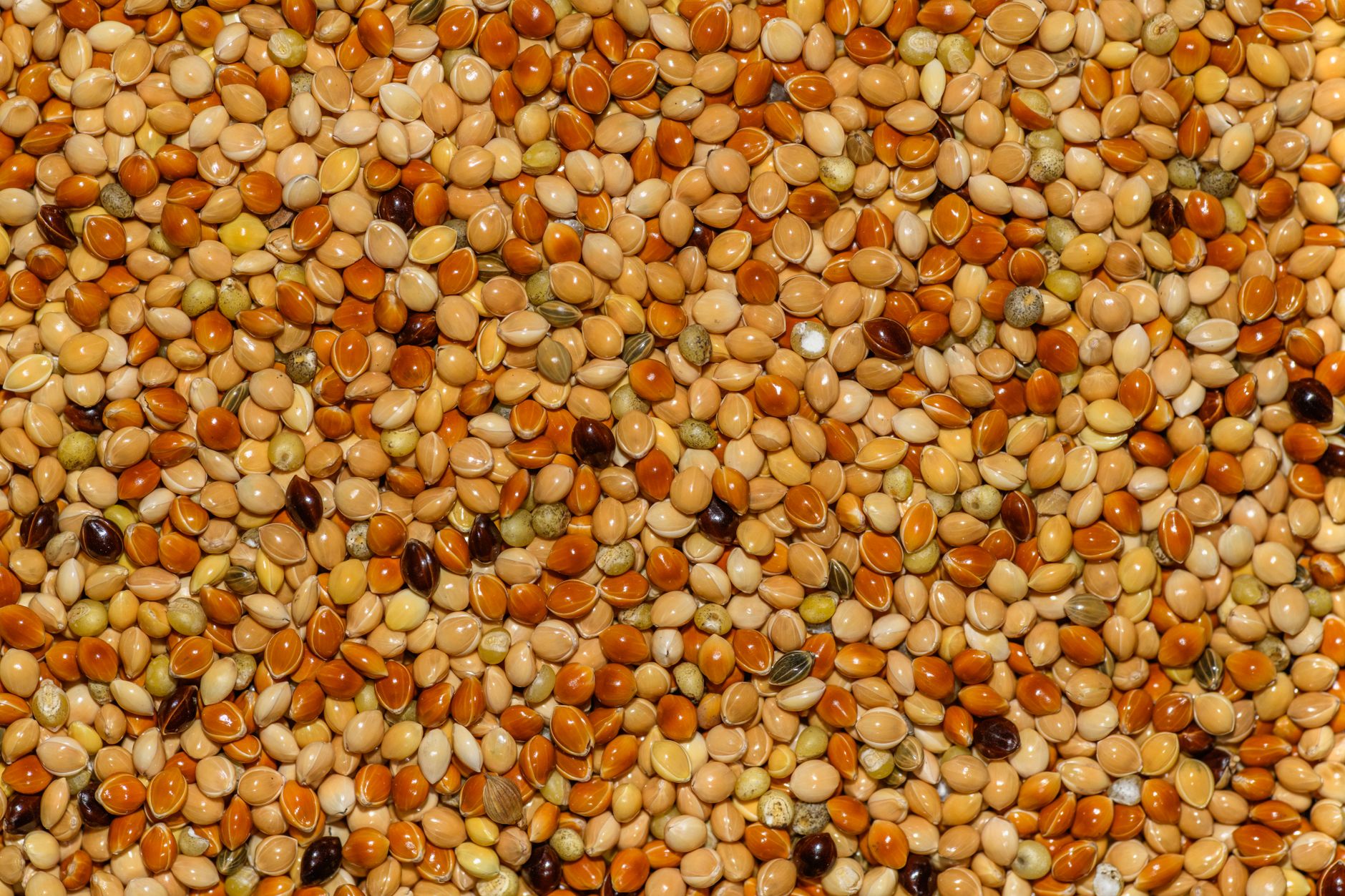
Quinoa is often hailed as a superfood, especially for those looking to increase their protein intake from plant-based sources. If you’re curious about how much protein quinoa contains and how it can fit into your diet, you’re in the right place. This article will break down those details along with serving sizes and other nutritional benefits.
Quinoa not only delivers a significant amount of protein but also offers other important nutrients such as fiber, vitamins, and minerals. Let’s delve deeper into how much protein quinoa actually provides and how you can effectively incorporate it into your meals.
How Much Protein Does Quinoa Have?
Quinoa is an excellent source of protein, offering about 8 grams per cooked cup (185 grams). Compared to most grains, quinoa provides a higher protein content and is considered a complete protein because it contains all nine essential amino acids that the human body cannot produce on its own.
Protein Content by Serving Size
Understanding how much protein is in quinoa can help you effectively plan your meals. The following breakdown covers the protein content of quinoa based on various serving sizes.
| Serving Size | Protein Content (grams) |
|---|---|
| 1 cup cooked | 8 grams |
| 1/2 cup cooked | 4 grams |
| 1 ounce (28 grams) dry | 6 grams |
| 1 cup uncooked | 24 grams |
Nutritional Overview of Quinoa
In addition to its protein content, quinoa contains a variety of essential nutrients, which significantly benefit your overall health. Here’s a closer look at its nutritional profile per cooked cup:
- Calories: 222
- Carbohydrates: 39 grams
- Dietary Fiber: 5 grams
- Fat: 4 grams
- Vitamins: B vitamins including folate, B6, and B1
- Minerals: Iron, magnesium, phosphorus, manganese, and zinc
The Benefits of Quinoa as a Protein Source
Choosing quinoa as a protein source has several benefits, particularly for those following vegetarian or vegan diets. Let’s explore some advantages:
- Complete Protein: Quinoa is unique among grains as it contains all essential amino acids, making it an excellent protein source, especially for vegetarians.
- Digestibility: The protein in quinoa is highly digestible, which aids in better absorption and utilization of nutrients.
- Gluten-Free: Quinoa is naturally gluten-free, making it suitable for individuals with gluten intolerances or celiac disease.
- Nutrient Dense: Beyond protein, quinoa offers a range of vitamins and minerals that are essential for overall well-being.
How to Cook Quinoa
Incorporating quinoa into your diet is simple due to its ease of preparation. Below is a straightforward method for cooking quinoa:
Equipment Needed
- Medium saucepan with a lid
- Measuring cups
- Strainer or fine mesh sieve
Ingredients
- 1 cup quinoa
- 2 cups water (or broth for added flavor)
- Optional: salt, olive oil, or herbs for flavor
Cooking Instructions
- Rinse the quinoa under cold water using a strainer to remove its bitter coating, known as saponin.
- In a medium saucepan, combine the rinsed quinoa and water (or broth). If desired, add a pinch of salt for flavor.
- Bring the mixture to a boil over medium-high heat.
- Once boiling, reduce the heat to low, cover the saucepan, and let it simmer for 15 minutes.
- After 15 minutes, remove the saucepan from heat and let it sit covered for another 5 minutes to allow the quinoa to finish cooking.
- Fluff the quinoa with a fork and serve. It can be stored in the refrigerator for up to five days.
Common Mistakes and Troubleshooting
To ensure you achieve the best results when cooking quinoa, here are some common mistakes to avoid:
- Not Rinsing: Failing to rinse the quinoa can result in a bitter taste due to the saponins. Always rinse before cooking.
- Too Much Water: Using too much water can make quinoa mushy. Stick to a 2:1 water-to-quinoa ratio.
- Not Letting it Rest: Allowing quinoa to rest after cooking is essential for achieving a light and fluffy texture.
Ways to Incorporate Quinoa into Your Meals
With its mild flavor, quinoa can be added to various dishes. Here are some practical ways to incorporate quinoa into your daily meals:
Breakfast
- Quinoa Porridge: Cook quinoa in almond milk or water, then top with fruits, nuts, and a drizzle of honey or maple syrup.
- Breakfast Bowl: Combine cooked quinoa with scrambled eggs, spinach, and salsa for a nutritious start to your day.
Lunch
- Quinoa Salad: Mix cooked quinoa with chopped vegetables, beans, and a light vinaigrette for a refreshing salad.
- Quinoa Wrap: Use quinoa as a filling in wraps along with leafy greens and your choice of protein.
Dinner
- Stir-Fry: Incorporate cooked quinoa into vegetable stir-fry for added texture and protein.
- Quinoa Stuffed Peppers: Stuff bell peppers with a mixture of quinoa, black beans, corn, and spices, then bake until tender.
Quinoa Substitutions
If you’re looking for alternatives due to dietary preferences or availability, here are some substitutes for quinoa:
- Rice: While it has lower protein content, brown rice can be used as a base in similar recipes.
- Farro: Offers a nutty flavor and chewy texture but provides slightly less protein.
- Bulgur: A great source of fiber and protein, it cooks quickly and can replace quinoa in salads.
Combining Quinoa with Other Proteins
Although quinoa is a great protein source on its own, combining it with other protein-rich foods can enhance its nutritional profile. Here are some great combinations:
- Legumes: Pair quinoa with chickpeas or lentils for a protein-packed meal.
- Nuts and Seeds: Add toasted nuts or seeds to salads or bowls for extra crunch and nutrients.
- Animal Proteins: Incorporate chicken, fish, or tofu to bolster protein levels further in your meals.
Meal Planning with Quinoa
Meal planning can help you optimize your protein intake while enjoying varied flavors. Here’s a simple weekly plan that includes quinoa:
Weekly Meal Plan
- Monday: Quinoa and black bean salad.
- Tuesday: Quinoa stir-fry with mixed vegetables.
- Wednesday: Stuffed bell peppers with quinoa and ground turkey.
- Thursday: Quinoa breakfast porridge with fruit.
- Friday: Quinoa and avocado sushi rolls.
- Saturday: Quinoa baked casserole with broccoli and cheese.
- Sunday: Relax with a quinoa veggie burger served with a side salad.
Storage and Reheating
Proper storage of cooked quinoa is essential to maintain its quality and safety. Here are some guidelines:
- Refrigeration: Store cooked quinoa in an airtight container in the refrigerator for up to five days.
- Freezing: Quinoa can be frozen for up to two months. Spread it out on a baking sheet to freeze in a single layer, then transfer to a sealed container.
- Reheating: To reheat, add a splash of water and microwave or heat on the stovetop until warmed through.
Conclusion
Quinoa is more than just a trendy food; it provides a significant amount of protein while also delivering essential nutrients. Understanding how much protein quinoa has and how to incorporate it into your meals can help you maximize its health benefits and enjoy delicious dishes. Start blending quinoa into your diet today for a tasty and nutritious boost.
For more protein-rich ideas, check out these tasty protein brownies and protein cookies.