
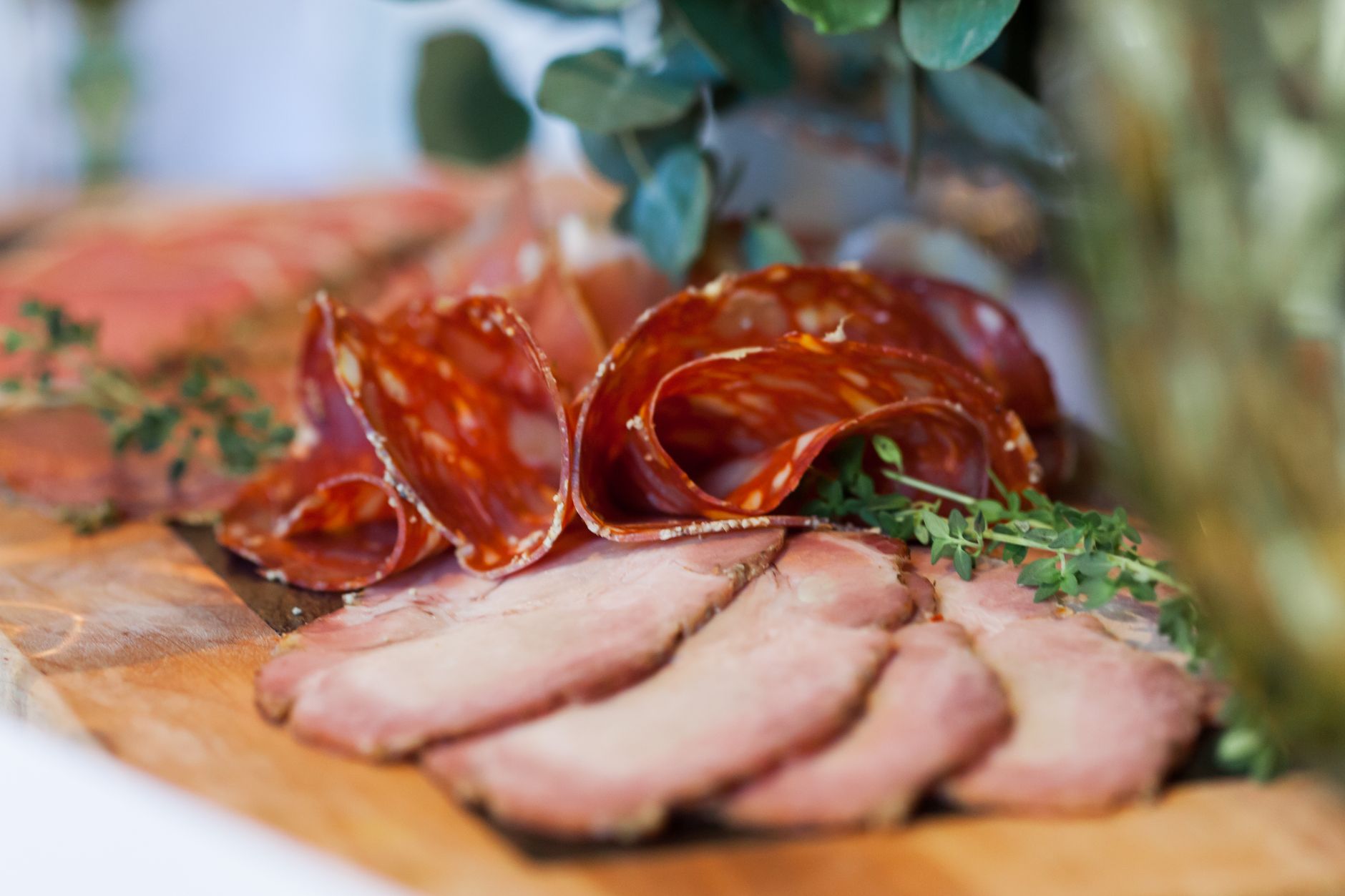
When it comes to hosting gatherings, a charcuterie board often stands out as a popular choice. It’s not only visually appealing but also offers a wide variety of flavors and textures, making it a hit among guests. However, one common question arises: how much charcuterie should you prepare per person?
The ideal serving size depends on several factors, including the nature of the event, whether additional dishes are served, and the appetites of your guests. This guide will explore these factors and offer practical advice on serving sizes and portioning for a successful charcuterie board.
How Much Charcuterie Per Person?
The general recommendation for charcuterie is to plan for about 3 to 5 ounces of meat per person when using cured meats like salami, prosciutto, or pâté. If your charcuterie board also includes cheeses and accompaniments, you can adjust your meat serving size accordingly. In total, aim for approximately 7 to 12 ounces of food per guest, combining both meats and cheeses.
Factors Influencing Serving Sizes
Several factors can influence how much charcuterie you should prepare for your event. These include:
1. Type of Event
The nature of the gathering significantly impacts portion sizes. For instance, a formal dinner might call for smaller portions, while a casual gathering or party encourages larger servings.
2. Duration of the Event
If the event lasts several hours, guests are likely to graze more, so consider increasing the portion sizes. A three-hour cocktail party may require more food than a one-hour brunch.
3. Other Food Being Served
If charcuterie is the main focus of your menu, stick to the recommended serving sizes. However, if other substantial dishes like a main course or dessert are present, you can reduce the amount of charcuterie per person.
4. Guests’ Appetites
Consider the group you’re catering to. Larger groups or those of known hearty appetites may require additional servings, while smaller or lighter eaters may not. Always keep your audience in mind when planning portions.
Planning Your Charcuterie Board
Creating a well-rounded charcuterie board involves more than just selecting meats. Here’s how to plan effectively:
1. Choosing the Meats
Select a variety of cured meats to cater to different tastes. Some options include:
- Salami
- Prosciutto
- Chorizo
- Pâté
A general guideline is to offer about 2 ounces of each type of meat per guest if providing a range of options. For a group of 10, for instance, include 1 pound of each selected meat for a well-balanced board.
2. Including Cheeses
Cheese is a crucial part of a charcuterie board and influences overall serving sizes. Aim for about 2 ounces of cheese per person. Choose various textures and flavors, including soft, hard, and blue cheeses. Some excellent options are:
- Brie
- Cheddar
- Gouda
- Blue cheese
For a mixed charcuterie platter, about 1 to 1.5 pounds of cheese is a good starting point for ten people.
3. Adding Accompaniments
Enhancing the flavor profile of your charcuterie board is important, and accompaniments play a significant role. Include:
- Olives
- Pickles
- Nuts (almonds, walnuts, etc.)
- Fruit (grapes, figs, apples)
- Crackers or bread
- Dips (hummus, mustard)
Standard garnishing is about ½ cup of each type of accompaniment per person, so adjust the total quantity based on your guest count.
4. Presentation and Assembly
The arrangement of your charcuterie board is as important as the flavors. Here are some tips for presentation:
- Use a large cutting board or platter for ample space.
- Arrange the meats and cheeses attractively, showcasing colors and textures.
- Use small bowls for dips and olives to create a tidy look.
- Garnish with fresh herbs or edible flowers for added appeal.
Common Mistakes to Avoid
Even experienced hosts can make mistakes when assembling charcuterie boards. Be mindful of these common pitfalls:
1. Overloading the Board
While variety is essential, too much food can overwhelm the board and guests. Stick to recommended serving sizes to avoid this.
2. Neglecting the Balance
A well-balanced charcuterie board has a mix of flavors and textures. Ensure a combination of meats, cheeses, and accompaniments rather than excessive quantities of one type.
3. Skipping Utensils
Providing the right utensils makes it easier for guests to serve themselves and enjoy the food. Ensure you have cheese knives, toothpicks, and serving spoons on hand.
Timing and Preparation Tips
The timing of your charcuterie board preparation is crucial for freshness:
1. Prepare in Advance
You can assemble the majority of your charcuterie board a few hours before guests arrive. Wrap meats and cheeses in plastic and refrigerate to maintain freshness. Add crackers, fruits, and garnishes just before serving.
2. Consider Food Safety
Keep cold items refrigerated until serving, and monitor room temperature to avoid spoilage.
Charcuterie Board Ideas for Different Occasions
Different gatherings call for varying approaches to charcuterie boards. Here are some ideas to get you started:
1. Wine and Cheese Night
Focus on cheeses paired with wines, and consider charcuterie options that complement the wine selection. Include cheeses like Brie, Gouda, and blue cheese.
2. Holiday Parties
For holiday gatherings, incorporate seasonal items like cranberries, spiced nuts, and festive decorations. Offer a mix of meats and cheeses, including seasonal specialities.
3. Film Night
Set up a casual board with snacks like popcorn, nuts, and mini cheese bites for film viewings. Add items that guests can eat without too much fuss.
Conclusion
Planning a charcuterie board is more than just selecting meats and cheeses; it’s about creating a delightful experience for your guests. By understanding portion sizes and being mindful of the elements of a well-structured board, you can craft an inviting platter suitable for any occasion. Always remember to adjust based on guest preferences and the context of the event to ensure everyone has an enjoyable experience.
Ready to dive deeper into the art of charcuterie? Explore what goes on a charcuterie board to enhance your culinary skills, or learn how many pizzas you need for a party to plan even more mouthwatering gatherings.