
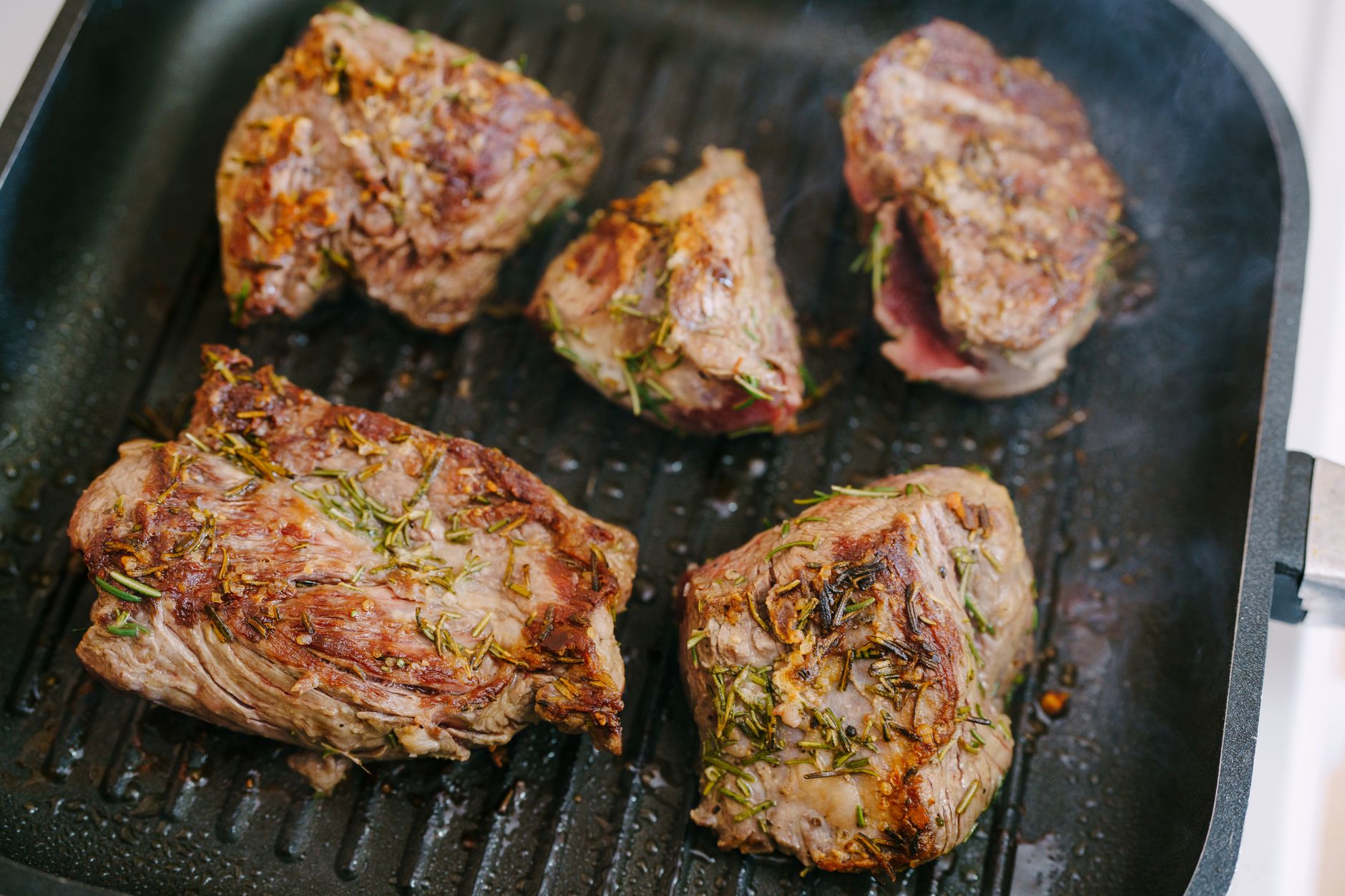
Lamb is a beloved meat worldwide, known for its distinct flavor and tender texture. However, many people wonder whether lamb falls under the beef category or if it stands alone as its own type of meat. Understanding the differences between lamb and beef can help you make informed culinary choices and enhance your cooking experience.
This article will delve into the distinctions between lamb and beef, explore their culinary uses, provide tips for preparation and cooking, and offer serving ideas. With the right knowledge, you can confidently select the perfect meat for your meals.
Is Lamb Considered Beef?
No, lamb is not considered beef. Lamb refers specifically to meat derived from young sheep, while beef comes from cattle. These two meats differ in flavor, texture, and culinary uses, making them unique in their own rights.
Understanding the Characteristics of Lamb and Beef
While both lamb and beef are red meats, they have distinct characteristics that set them apart.
Flavor Profile
Lamb has a rich, slightly gamey flavor that can vary based on the sheep’s diet and age. Younger lamb, known as “spring lamb,” tends to be milder and more tender, while older lamb, or “hogget,” has a stronger taste.
Beef, on the other hand, has a beefy taste that can range from mild in cuts like tenderloin to robust in more flavorful cuts like ribeye. The flavor can also differ depending on the animal’s breed, diet, and age.
Texture
Lamb is generally tender and juicy, particularly when properly cooked. It offers a unique mouthfeel that is both succulent and rich.
Beef can vary in texture greatly depending on the cut. Some cuts, like brisket, can be tough if not cooked properly, while cuts like filet mignon are tender and buttery.
Culinary Uses for Lamb and Beef
Both lamb and beef hold esteemed places in various cuisines around the world, but they often serve different culinary purposes.
Lamb in Cooking
Lamb is particularly popular in Mediterranean, Middle Eastern, and Indian cuisines. Some common preparations include:
- Roasting: A leg of lamb can be seasoned and slow-roasted for a flavorful centerpiece.
- Grilling: Lamb chops and skewers are fantastic on the grill, bringing out their natural flavors.
- Stews and Curries: Lamb can be used in hearty stews, adding depth to the dish.
Beef in Cooking
Beef is ubiquitous in various cuisines, with versatile uses such as:
- Grilling: Burgers and steaks are often grilled for a deliciously smoky flavor.
- Braising: Tough cuts, like chuck roast, can be braised to make them tender and flavorful.
- Stir-frying: Thinly sliced beef is commonly used in stir-fries and quick dishes.
Preparation and Cooking Techniques
Handling lamb and beef properly is essential for an enjoyable eating experience. Below are some key tips on preparation and cooking techniques for both meats.
Preparing Lamb
When preparing lamb, consider the following:
- Marination: Marinating lamb can enhance its flavor and tenderness. Use acidic ingredients like yogurt or lemon juice in marinades.
- Seasoning: Simple seasoning with salt, pepper, garlic, and herbs like rosemary or thyme can effectively enhance lamb’s natural flavor.
- Cooking Temperature: Lamb can be served medium-rare to medium; use a meat thermometer to ensure it reaches an internal temperature of 145°F (63°C).
Preparing Beef
When working with beef, keep these tips in mind:
- Cuts Matter: Different cuts require different cooking methods. For instance, tougher cuts benefit from slow cooking, while tender cuts are best grilled or pan-seared.
- Resting: Always allow cooked beef to rest for a few minutes before slicing. This helps retain juices.
- Cooking Temperature: Beef can be served rare, medium, or well done, depending on preference. The safe minimum internal temperature is 145°F (63°C) for whole cuts.
Popular Cuts of Lamb and Beef
Familiarizing yourself with various cuts will enable you to select the most appropriate lamb or beef for your dish. Here are some popular cuts from both types of meat.
Common Lamb Cuts
- Lamb Chops: Tender, flavorful cuts typically grilled or roasted.
- Leg of Lamb: A larger cut, ideal for roasting and often served for special occasions.
- Lamb Shank: A tough cut that becomes tender during slow cooking or braising.
- Lamb Shoulder: This cut is ideal for slow-roasting and stews, offering rich flavor.
Common Beef Cuts
- Ribeye: Known for its marbling and flavor, great for grilling.
- Tenderloin: The most tender cut, perfect for filet mignon.
- Chuck Roast: Great for braising, yielding juicy, shredded meat.
- Brisket: Ideal for slow-cooking or barbecue, this cut becomes melt-in-your-mouth tender.
Flavor Pairings and Serving Ideas
Enhancing the flavors of lamb and beef can elevate your dishes. Here are some ideal flavor pairings and serving suggestions.
Flavor Pairings for Lamb
- Herbs: Rosemary, thyme, and mint complement lamb well.
- Spices: Cumin, coriander, and cinnamon can add warmth to lamb dishes.
- Vegetables: Root vegetables, asparagus, and eggplant pair nicely with lamb.
- Serving Ideas: Try lamb with garlic mashed potatoes, grilled vegetables, or a fresh mint yogurt sauce.
Flavor Pairings for Beef
- Herbs: Thyme, parsley, and oregano can enhance beef dishes.
- Spices: Paprika, black pepper, and chili powder can add depth.
- Vegetables: Onions, mushrooms, and bell peppers are classic complements.
- Serving Ideas: Pair beef with roasted potatoes, mixed greens salad, or a rich mushroom sauce.
Common Mistakes to Avoid
When cooking with lamb and beef, avoiding common pitfalls can lead to better results.
Mistakes with Lamb
- Overcooking: Lamb can dry out quickly; monitor cooking times closely.
- Sparse Seasoning: Don’t under-season lamb; it pairs well with robust flavors.
- Skipping Resting: Allow lamb to rest before cutting to maintain juiciness.
Mistakes with Beef
- Overcooking: Especially with premium cuts like filet mignon, high heat can lead to toughness.
- Poor Searing: Not allowing a good sear can result in less flavor.
- Neglecting Resting: Failing to rest beef can lead to a loss of juices.
Storage and Reheating Guidelines
Proper storage and reheating of both lamb and beef are crucial to ensure food safety and maintain flavors.
Storing Lamb and Beef
- Refrigeration: Store raw lamb and beef in the refrigerator at 40°F (4°C) or below, ideally in their original packaging.
- Freezing: Both can be frozen for long-term storage. Wrap them tightly in plastic wrap, aluminum foil, or use airtight freezer bags, labeling with the date.
- Leftovers: Store cooked meat in the refrigerator for up to 3-4 days, and freeze if you need to store it longer.
Reheating Guidelines
- Microwave: Reheat in short bursts, checking temperature frequently to avoid overcooking.
- Oven: Preheat to 350°F (175°C), covering lamb or beef with foil to retain moisture.
- Stove: Use low heat to reheat in a pan, adding a bit of broth or water to keep it moist.
Conclusion
Understanding the distinctions between lamb and beef allows for more informed cooking and delicious meal preparation. Both types of meat offer unique flavors and textures that can enhance a variety of dishes. Whether you choose to roast a leg of lamb or grill a steak, working with these meats can lead to satisfying meals.
Explore further to discover delightful lamb ribs recipes or get creative with ground lamb dishes to expand your culinary repertoire! Visit us for more cooking tips and resources.