
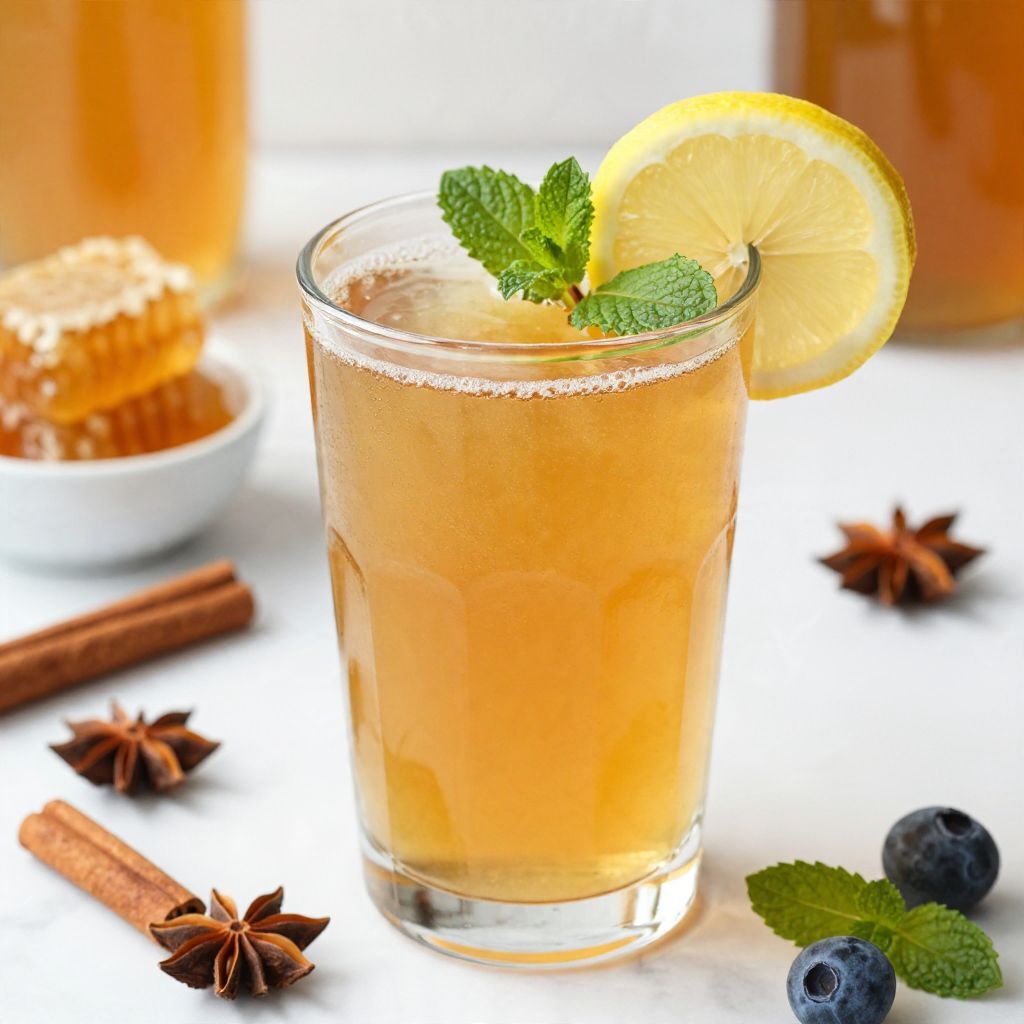
Have you ever wanted to capture the essence of a warm summer day in a glass? Making your own Honey Mead is not just a delightful process; it’s a journey into ancient brewing traditions that results in a sweet, aromatic beverage that dances on your palate. This recipe stands out because it combines simplicity with rich flavors, making it perfect for both beginners and seasoned brewers.
With its honeyed sweetness and subtle hints of fruit, Honey Mead is incredibly versatile. Whether you enjoy it chilled, warmed, or even as a base for cocktails, this drink is bound to impress. Let’s gather our ingredients and get started on this delicious adventure!
Why You’ll Love This Recipe
This recipe is all about creating a rich, flavorful beverage with minimal effort. It’s perfect for special occasions or a cozy night in.
- Rich, sweet flavor that can be customized.
- Simple ingredients and easy process.
- Perfect for sharing with friends or enjoying alone.
- Can be adapted for different tastes and preferences.
- Connects you to centuries of brewing tradition.
My Experience Making This Recipe
The first time I made Honey Mead, the whole house filled with the warm aroma of honey and spices. It felt like a cozy hug, and I couldn’t wait to share it with friends.
When I finally tasted my creation, the sweet notes of honey and the slight acidity of the fermentation were heavenly. Everyone I shared it with was impressed, and they couldn’t believe how simple it was to make.
Recipe Overview
- Recipe Name: Honey Mead
- Servings: 4-6
- Prep Time: 15 minutes
- Cook Time: 30 minutes
- Total Time: 45 minutes
- Course: Beverage
- Cuisine: Ancient
- Calories per Serving: Approximately 150
Equipment You Will Need
- Large pot
- Fermentation vessel (glass carboy or food-grade bucket)
- Airlock
- Hydrometer (optional)
- Spoon for stirring
- Bottles for storage
Ingredients for Honey Mead
- 4 cups of water
- 1 cup of honey
- 1/2 teaspoon of yeast (champagne or mead yeast)
- 1/4 teaspoon of lemon juice (optional, for acidity)
- Spices or fruits (optional, for flavor variations)
Ingredient Notes and Substitutions
- Honey: Used for its natural sweetness and flavor. Any variety works, but wildflower or clover honey is ideal.
- Yeast: Essential for fermentation. You can substitute with bread yeast, but it may alter the flavor.
- Lemon juice: Adds acidity and balances sweetness. You can use vinegar as an alternative.
- Fruits or spices: Customize your mead with berries, herbs, or spices like cinnamon for added flavor.
How to Make Honey Mead
Step 1: Boil the Water
Start by bringing the water to a gentle boil in a large pot. Boiling helps to sanitize and prepare the water for fermentation.
Step 2: Add Honey
Once boiling, remove the pot from heat and stir in the honey. This ensures it dissolves completely and infuses the water with sweetness.
Step 3: Cool the Mixture
Let the mixture cool down to room temperature. Adding yeast to hot liquid can kill the yeast, preventing fermentation.
Step 4: Add Yeast
Once cooled, sprinkle the yeast over the mixture and stir gently. This activates the yeast and kicks off the fermentation process.
Step 5: Add Lemon Juice
If using, stir in the lemon juice at this stage. It enhances the flavor and helps balance the sweetness of the honey.
Step 6: Transfer to Fermentation Vessel
Pour the mixture into the fermentation vessel, leaving some space at the top. This space is necessary for the gases produced during fermentation.
Step 7: Seal and Store
Seal the vessel with an airlock to allow gases to escape while keeping contaminants out. Store it in a dark, cool place for about 2-4 weeks.
Step 8: Bottle the Mead
Once fermentation is complete, carefully siphon the mead into bottles. Make sure to leave sediment behind, as it can affect the flavor.
Pro Tip: Let your mead age for at least a month for the best flavor. Patience is key!
Tips for the Best Honey Mead
- Use high-quality honey for a richer flavor.
- Experiment with different fruits and spices to find your favorite combinations.
- Keep the fermentation environment stable; temperature fluctuations can affect the outcome.
- Always sanitize your equipment to avoid contamination.
- Label your bottles with the date to track aging.
Common Mistakes to Avoid
- Using hot water: This can kill the yeast and stop fermentation.
- Not sealing the fermentation vessel: This can lead to contamination.
- Rushing the fermentation process: Give it time for the best results.
- Not sanitizing equipment: This is crucial to prevent spoilage.
Serving Suggestions
Enjoy your Honey Mead chilled or warmed with spices for a cozy drink. It pairs beautifully with cheese and charcuterie.
- Cheese platter with assorted cheeses
- Spiced nuts for a crunchy contrast
- Fruit salad for a refreshing side
- Grilled meats for a savory match
- Dark chocolate for a sweet finish
Variations to Try
- Add berries during fermentation for a fruity twist.
- Incorporate spices like cinnamon or ginger for warmth.
- Try different types of honey for unique flavors.
- Mix in herbal infusions, like mint or chamomile, for a refreshing change.
- Experiment with different yeasts for varied results.
Dietary Adaptations
- Gluten-free: Naturally gluten-free as it contains no grains.
- Dairy-free: No dairy ingredients used, making it suitable for all diets.
- Vegan: Using plant-based honey alternatives can make it vegan-friendly.
- Low-carb/keto: Adjust honey quantity for lower sugar content.
Storage and Reheating
Refrigerator
Store your bottled mead in the refrigerator to keep it fresh.
- Consume within 6 months for optimal flavor.
- Seal bottles tightly to prevent oxidation.
Freezer
Mead can be frozen, but it may alter the texture.
- Use freezer-safe bottles to prevent breakage.
- Thaw in the refrigerator before serving.
Reheating
Warm your mead gently on the stove or in a microwave.
- Avoid boiling, as it can change the flavor.
- Add spices like cinnamon during warming for extra flavor.
Nutrition Information
| Nutrient | Amount |
|---|---|
| Calories | 150 |
| Total Fat | 0g |
| Saturated Fat | 0g |
| Carbohydrates | 36g |
| Fiber | 0g |
| Sugar | 30g |
| Protein | 0g |
| Sodium | 1mg |
| Cholesterol | 0mg |
These values are approximate and can vary based on the ingredients used.
Frequently Asked Questions
Can I use any type of honey for mead?
Yes, but different honey varieties will affect the flavor of your mead.
How long can I store mead?
Mead can be stored for up to a year, but it’s best enjoyed within six months.
Is it possible to make mead without yeast?
While yeast is crucial for fermentation, wild fermentation can occur, but results are unpredictable.
What should I do if my mead is too sweet?
You can blend it with a dryer mead or let it ferment longer to reduce sweetness.
Can I make mead in smaller batches?
Absolutely! Just scale down the ingredients accordingly.
Final Thoughts
Making Honey Mead is a rewarding process that brings a taste of history to your home. With a little patience and creativity, you can craft a drink that’s uniquely yours.
I encourage you to give this recipe a try and enjoy the delightful flavors it brings. Be sure to check out more delicious recipes like Honey Syrup Recipe and Honey Deuce Recipe for more sweet inspiration!