
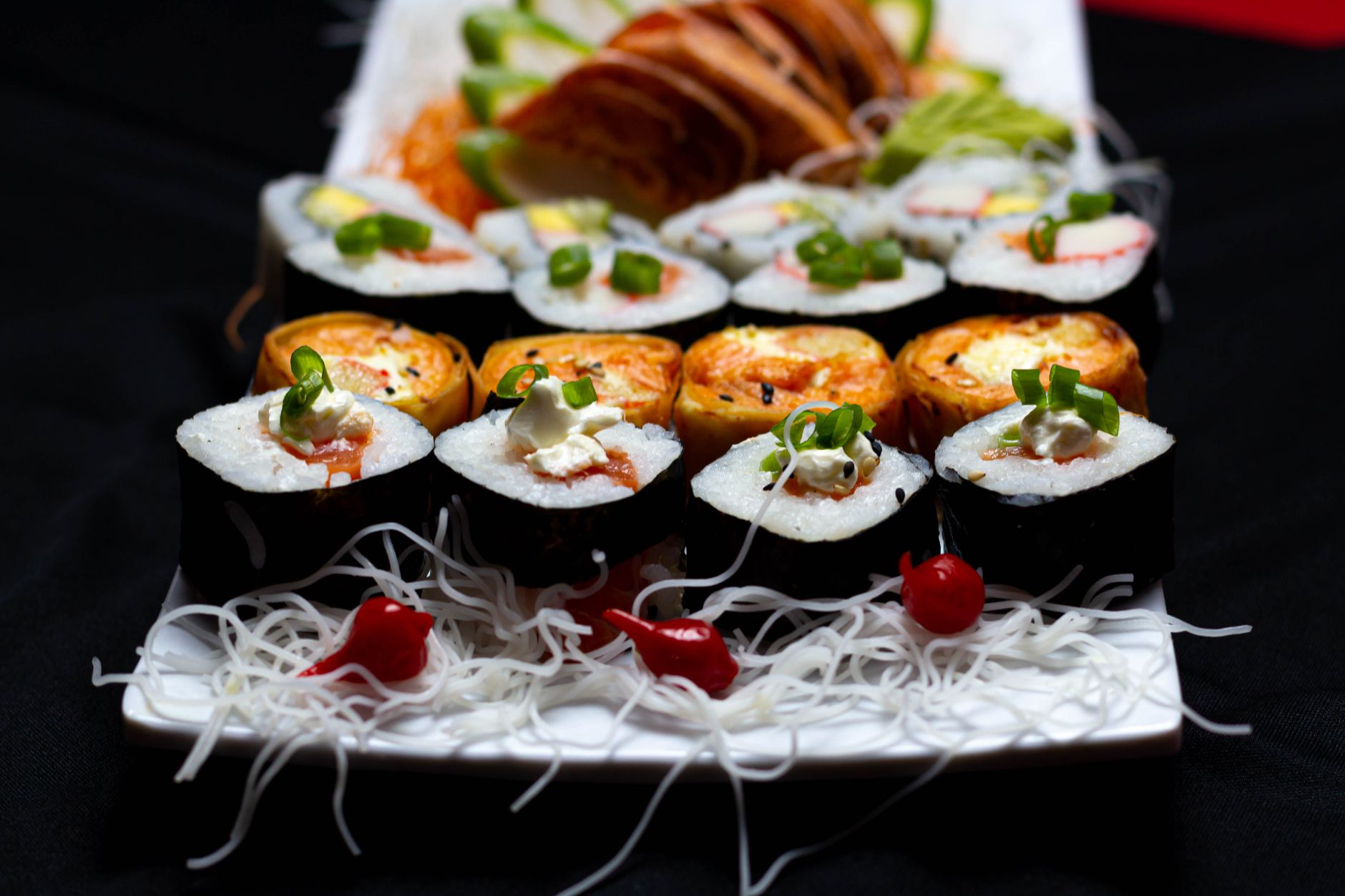
When it comes to breastfeeding, many new mothers find themselves questioning their dietary choices, particularly regarding sushi. Sushi, often synonymous with raw fish, raises concerns about food safety, nutritional requirements, and whether it’s advisable to include it in a breastfeeding diet. Understanding the guidelines surrounding sushi during breastfeeding is crucial for making informed decisions.
This article will provide insights into safe sushi consumption while breastfeeding, the nutritional benefits of sushi, potential risks associated with raw fish, and practical considerations for incorporating sushi into your diet.
Can You Eat Sushi While Breastfeeding?
Yes, you can eat sushi while breastfeeding, but there are important considerations to keep in mind. Opting for cooked sushi or ensuring that any raw fish is from a reputable source can help minimize risks. The nutritional benefits of sushi make it a convenient meal option, but awareness of safety concerns is essential.
The Nutritional Benefits of Sushi
Sushi is not just a flavorful dish; it is also packed with nutritional advantages, offering a variety of ingredients that can be beneficial during breastfeeding. Here are some of its main components:
- Fish: Rich in omega-3 fatty acids, fish such as salmon and tuna can promote brain development in your baby and support overall health for the breastfeeding mother.
- Seaweed: Often used in sushi rolls, seaweed is filled with vitamins and minerals, particularly iodine, which supports thyroid function.
- Rice: Commonly used as the base for sushi, rice provides carbohydrates, which are essential for maintaining energy levels during breastfeeding.
- Vegetables: Many sushi rolls include vegetables like cucumber, avocado, and carrots, offering fiber and additional nutrients.
Raw Fish vs. Cooked Fish: What’s the Difference?
When considering sushi, it’s important to differentiate between raw and cooked fish. Both types have their own sets of benefits and risks.
Raw Fish
Raw fish, a staple in traditional sushi, is rich in essential nutrients. However, it also poses certain risks during breastfeeding:
- Parasites: Raw fish can carry parasites that may not affect healthy adults but could potentially pose risks to breastfeeding infants.
- Bacteria: There is a risk of bacterial contamination, especially in fish that hasn’t been handled properly.
It’s crucial to choose sushi made with raw fish from reputable establishments that adhere to strict food safety protocols if you choose to consume it.
Cooked Fish
Cooked fish provides a safer alternative. Options typically include:
- California Roll: Usually made with imitation crab, which is cooked, making it a safe choice.
- Tempura Rolls: These include vegetables or fish that have been deep-fried, ensuring they are fully cooked.
- Grilled Fish: Sushi made with grilled salmon or tuna is not only delicious but also safe and nutritious.
Safety Tips for Eating Sushi While Breastfeeding
For breastfeeding mothers who wish to enjoy sushi, following safety tips minimizes the risks while allowing you to savor this culinary delight:
- Choose Reputable Restaurants: Ensure the sushi restaurant has good reviews regarding cleanliness and food safety practices. Check online reviews and consider local recommendations.
- Opt for Cooked Options: When in doubt, select sushi that features cooked seafood or vegetables. Steamed or grilled items are your safest bet.
- Consider Sourcing: If you’re preparing sushi at home, source high-quality fish specifically labeled for raw consumption. Always check the fish’s freshness and follow guidelines from local seafood safety authorities.
- Limit Consumption: Moderation is key. Eating sushi occasionally rather than daily reduces overall exposure to any potential hazards.
- Stay Hydrated: Proper hydration helps support breast milk production and overall health. When consuming sushi, have water or herbal tea on hand.
What to Avoid When Eating Sushi While Breastfeeding
While many sushi options are safe, some should be completely avoided:
- High-Mercury Fish: Fish like king mackerel, swordfish, and certain types of tuna (especially bigeye) contain high levels of mercury, which may affect your baby’s development. Aim for fish lower in mercury like salmon, shrimp, or sardines.
- Unpasteurized Ingredients: Sushi that contains unpasteurized ingredients like certain cheeses or fermented products could pose risks. Always check ingredient labels or ask about preparation methods.
- Raw Shellfish: Avoid raw shellfish as they can harbor harmful pathogens. Cooked shellfish is safer and still delicious.
Portion Control: How Much Sushi Should You Eat?
Moderation is essential when enjoying sushi, particularly while breastfeeding. Here are some practical tips on portion control:
- One to Two Rolls: Start with one to two rolls, typically containing six to eight pieces each. This allows you to assess your body’s response.
- Accompany with Side Dishes: Pair sushi with sides like miso soup or edamame to create a balanced meal while controlling the portion of sushi itself.
- Listen to Your Body: Pay attention to how your body feels after eating sushi. If you notice any digestive discomfort or breastfeeding issues, consider adjusting your sushi intake.
Making Sushi at Home: A Safe Alternative
If you’re concerned about eating sushi prepared outside your home, consider making it yourself. Making sushi at home gives you control over the ingredients and preparation methods. Here’s a simple overview of how to prepare sushi safely:
Essential Equipment
- Sushi mat
- Sharp knife
- Rice cooker (or pot for cooking rice)
- Plastic wrap
- Cutting board
Basic Ingredients
- Sushi Rice: Short-grain rice seasoned with rice vinegar, sugar, and salt.
- Seaweed Sheets: Nori, used as the wrap.
- Fillings: Options include cooked shrimp, crab, vegetables, or grilled fish.
- Condiments: Soy sauce, pickled ginger, and wasabi for serving.
Step-by-Step Method
- Prepare the Rice: Rinse 2 cups of sushi rice under cold water until the water runs clear. Cook in a rice cooker with 2 cups of water. Once cooked, fluff the rice and mix in 3 tablespoons of rice vinegar, 1 tablespoon of sugar, and a pinch of salt. Let cool.
- Prepare Fillings: Choose your cooked fillings (e.g., grilled salmon or shrimp, sliced avocado, cucumber) and slice them into thin strips.
- Assemble the Sushi: Lay a sheet of nori on the sushi mat, shiny side down. Wet your hands and take a handful of rice, pressing it evenly across the nori, leaving a border at the top.
- Add Fillings: Place your favorite fillings in a line across the rice. Be careful not to overfill.
- Roll it Up: Press the mat to roll the sushi away from you, tucking it gently but firmly to create a tight roll. Use water to seal the edge of the nori.
- Slice and Serve: Use a sharp knife to cut the roll into bite-sized pieces. Serve with soy sauce, pickled ginger, and wasabi.
Common Mistakes to Avoid
- Too Much Filling: Overpacking can result in a messy roll. Stick to a few ingredients for optimal results.
- Not Using Sushi Rice: Regular rice will not yield the sticky consistency needed for sushi; ensure you are using appropriate sushi rice.
Final Considerations
Enjoying sushi while breastfeeding can be a delightful and nutritious option when approached thoughtfully. By choosing reputable sources, understanding which types of fish are safe, and considering alternative preparations, mothers can safely indulge in this cherished cuisine. Always prioritize your health and that of your baby.
As you navigate breastfeeding and dietary choices, remember to stay informed, listen to your body, and enjoy your meals. For further exploration, consider trying your hand at dishes like seared ahi tuna or a flavorful lox recipe that emphasizes safety and nutrient-rich ingredients.