
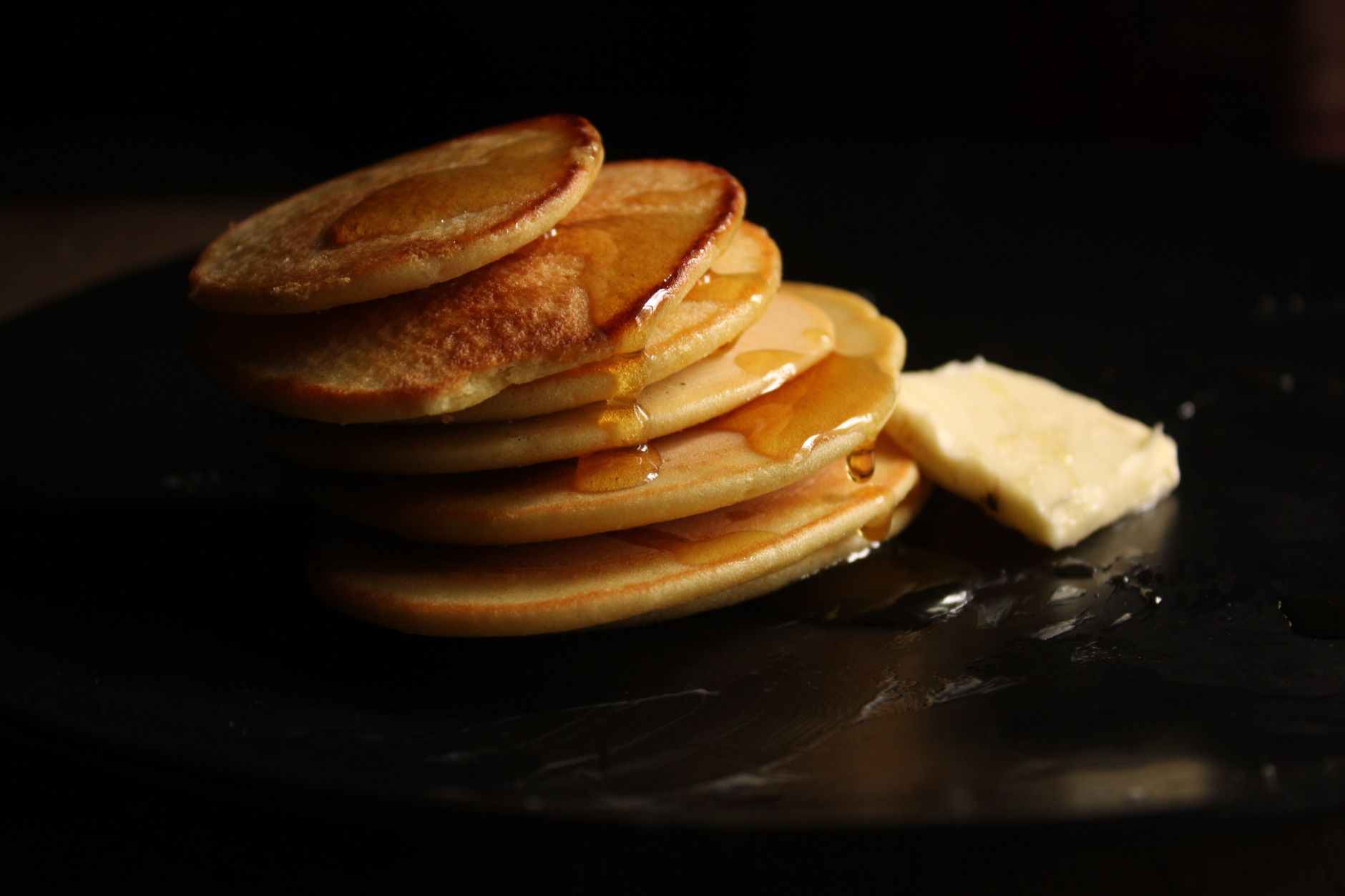
Buttermilk is a cultured dairy product often used in baking and cooking. Its distinct appearance and tangy flavor make it an essential ingredient in many recipes, from pancakes to dressings. Understanding what buttermilk looks like can help you better identify and utilize this versatile ingredient in your culinary endeavors.
This article will delve into the visual characteristics of buttermilk, its culinary uses, and key facts to enhance your knowledge and cooking skills. Whether you’re a seasoned cook or an enthusiastic beginner, understanding buttermilk can elevate your dishes.
What Does Buttermilk Look Like?
Buttermilk typically has a creamy white color with a slightly thick, pourable consistency resembling that of heavy cream or yogurt. Depending on the brand and type, it may also have small curds floating in it, indicating that it is a fermented product. The texture is velvety and smooth, providing a pleasant mouthfeel in dishes.
The Appearance and Texture of Buttermilk
When you pour buttermilk, it often has a slight swirl, indicating its richness and thickness. Here are some key visual features to note:
- Color: Buttermilk is mostly white or off-white. The color can vary slightly depending on the milk source and the fermentation process.
- Consistency: It should be somewhat thicker than regular milk but still liquid enough to pour. It may resemble heavy cream but is not as thick.
- Curds: Some types of buttermilk may have small curds, especially if they are made from raw or unprocessed milk. This is harmless and common.
- Separation: If buttermilk has been sitting for a while, you might see some separation, where a watery layer forms on top. Simply shake or stir before using.
Culinary Uses of Buttermilk
Buttermilk is a staple in many kitchens, prized for its unique flavor and ability to tenderize. Here are some common culinary uses:
- Baking: Buttermilk is a key ingredient in various baked goods, including pancakes, cakes, biscuits, and muffins. Its acidity activates baking soda, producing a light and fluffy texture.
- Marinades: The acidity in buttermilk tenderizes proteins, making it a popular base for marinades for chicken, pork, and seafood.
- Dressings and Sauces: Buttermilk adds creaminess and tang to dressings, particularly ranch dressing, and can be used to create sauces.
- Soups and Stews: Adding buttermilk to soups can create a rich, creamy consistency and deepen the flavor profile.
Types of Buttermilk
Understanding the different types of buttermilk can further enhance your culinary applications:
- Traditional Buttermilk: This is the liquid that remains after churning butter from cream. It has a slightly sour taste and is rich in flavor.
- Cultured Buttermilk: This is the most common type found in supermarkets. It is produced by fermenting low-fat milk with specific bacterial cultures, giving it a tangy flavor and thick texture.
- Powdered Buttermilk: This shelf-stable form of buttermilk is dehydrated and can be reconstituted with water. It’s convenient for baking when fresh buttermilk is unavailable.
How to Store Buttermilk
Storing buttermilk properly ensures its freshness and usability over time. Here are some tips for storing:
- Refrigeration: Always store buttermilk in the refrigerator. An opened container generally lasts about 1-2 weeks beyond its sell-by date if stored properly.
- Freezing: Buttermilk can be frozen for up to three months. Pour it into an airtight container, leaving space for expansion, and label it with the date.
- Thawing: Thaw frozen buttermilk in the refrigerator overnight before using. Shake well to recombine before using it.
Visual Comparison: Buttermilk vs. Other Dairy Products
It’s useful to compare buttermilk with other dairy products visually to understand its unique characteristics. Here’s how it compares:
| Dairy Product | Color | Consistency | Use |
|---|---|---|---|
| Buttermilk | White to off-white | Thick, pourable | Baking, marinades |
| Whole Milk | White | Liquid | Cereal, cooking |
| Sour Cream | White | Thick, creamy | Dip, topping |
| Heavy Cream | White | Very thick | Whipping, sauces |
Substituting Buttermilk in Recipes
If you find yourself without buttermilk, various substitutes work well. Here are some effective alternatives:
- Milk and Vinegar: Mix 1 cup of whole milk with 1 tablespoon of white vinegar or lemon juice. Let it sit for 5-10 minutes until it thickens slightly.
- Plain Yogurt: Use plain yogurt in equal amounts, thinning it slightly with water if necessary.
- Milk and Cream of Tartar: Mix 1 cup of milk with 1 ½ teaspoons of cream of tartar for a suitable buttermilk substitute.
- Coconut Milk and Vinegar: For a non-dairy option, mix coconut milk with vinegar for a similar acidity.
Cooking Techniques Involving Buttermilk
Understanding cooking techniques involving buttermilk is crucial for maximizing its potential. Here are some techniques to consider:
- Marinating: Marinating proteins in buttermilk helps break down tough fibers, making the meat more tender and flavorful. Allow at least 30 minutes (or overnight) for optimal results.
- Baking: Buttermilk reacts with leavening agents, making baked goods rise. Use it in recipes where a light, airy texture is desired, and ensure it’s properly incorporated into the batter.
- Mixing with Dry Ingredients: When using buttermilk in dry recipes, add it slowly, mixing until just combined to avoid overworking the batter.
Common Mistakes When Using Buttermilk
Here are some common mistakes to look out for when using buttermilk:
- Not Shaking the Container: If the buttermilk has separated, failing to shake it can lead to inconsistent texture in your recipes. Always shake well before measuring.
- Using Old Buttermilk: Be mindful of the expiration dates. Using expired buttermilk can affect the flavor and quality of your dishes.
- Skipping Substitutions: If you’re out of buttermilk, panicking can lead to failure. Utilize simple substitutes to achieve similar results without compromising your dish.
Tips for Using Buttermilk
Here are some practical tips to keep in mind when working with buttermilk:
- Taste Test: Before using it in cooking, tasting a little can help determine if it is still fresh. A sour but pleasant taste indicates it’s good; an off taste means it’s time to discard it.
- Room Temperature: For baking, use buttermilk at room temperature rather than straight from the fridge to ensure a better mixture.
- Adjust Recipe Ratios: If substituting buttermilk for milk in recipes, you may need to adjust other liquid ratios to maintain consistency.
Buttermilk in Regional Cuisines
Buttermilk plays unique roles in various regional cuisines. Here are some notable examples:
- Southern United States: Buttermilk is extensively used in Southern cooking, famously in fried chicken marinades and biscuits.
- Indian Cuisine: In India, buttermilk is a staple drink and used in classic dishes like kadhi, where it serves as a base for a yogurt-based sauce.
- Middle Eastern Cuisine: In many Middle Eastern countries, buttermilk is consumed plain as a refreshing drink, often flavored with herbs or spices.
How Buttermilk Affects Flavor and Texture
Buttermilk’s acidity not only affects the rise in baked goods but also enhances the flavors in dishes:
- Flavor: It imparts a slight tanginess that balances sweetness in desserts and enhances savory dishes.
- Texture: The addition of buttermilk contributes to a tender crumb in baked goods and a creamy consistency in dressings and sauces.
Final Thoughts on Buttermilk
Understanding what buttermilk looks like and how to use it can greatly enhance your cooking and baking skills. Its appearance, varieties, and culinary applications make it a valuable ingredient that should not be overlooked.
Next time you reach for buttermilk, remember its unique characteristics and incorporate it into your recipes. Explore practical uses like buttermilk pound cake or create delectable dishes with cinnamon rolls with heavy cream for a taste of how this ingredient can elevate your cooking.