
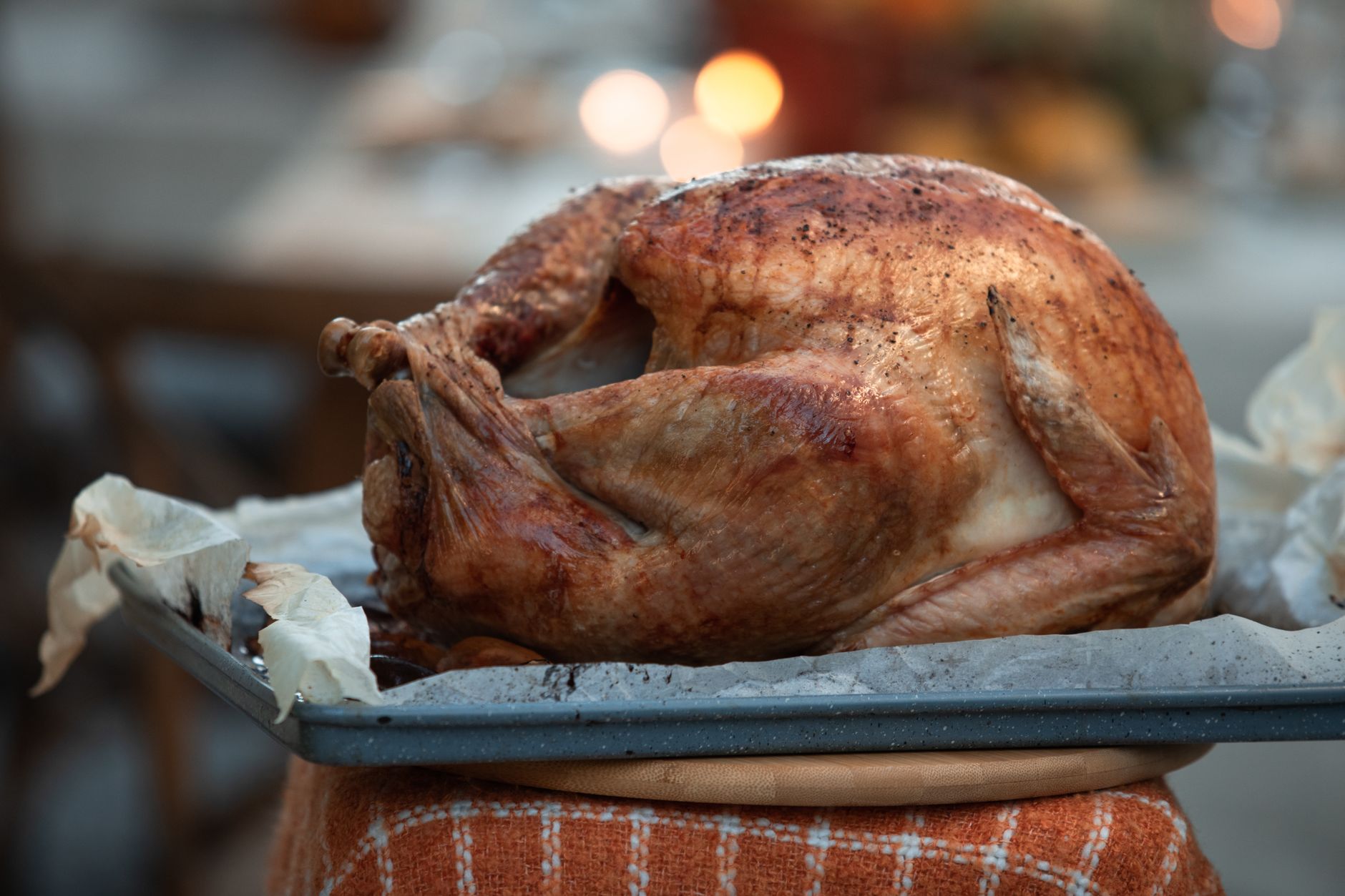
Turkey is a centerpiece of many festive occasions, particularly Thanksgiving and family gatherings. The seasonings you choose can significantly affect the flavor, aroma, and overall satisfaction of the dish. With the right combinations of herbs and spices, your turkey can be transformed into a succulent, flavorful delight that captivates everyone’s palate.
In this guide, we will explore various seasoning options for turkey, including classic combinations, regional flavors, and innovative blends. Each section will help you understand how different seasonings impact the taste of your turkey and offer practical advice for applying them.
What Seasonings To Put On A Turkey?
When seasoning a turkey, consider a variety of herbs, spices, and even liquids for brining or marinating. Common choices include salt, pepper, garlic, rosemary, thyme, and sage. Each of these seasonings can enhance the flavor and create a mouth-watering turkey that is sure to impress.
Classic Seasonings
Classic seasonings for turkey focus on enhancing the natural flavor of the bird without overpowering it. Here are some essential seasonings to consider:
- Salt: Essential for flavor enhancement, kosher salt or sea salt is recommended for seasoning turkey.
- Black Pepper: Freshly ground black pepper adds warmth and a bit of spice.
- Garlic Powder: A great way to infuse the turkey with rich umami notes without the hassle of peeling and chopping fresh garlic.
- Onion Powder: Adds a sweet, aromatic flavor that complements the turkey beautifully.
- Paprika: Not only does it provide color, but it also delivers a mild sweetness and a hint of smokiness if using smoked paprika.
- Thyme: A traditional herb that pairs well with turkey, offering a subtle earthy flavor.
- Rosemary: Slightly piney, rosemary works exceptionally well with turkey, particularly when roasted.
- Sage: A classic Thanksgiving herb that offers a slightly peppery and aromatic flavor.
Creating a Flavorful Brine
Brining is an excellent technique to ensure your turkey stays moist and flavorful. Brine typically consists of salt, water, and various seasonings. Here’s a simple brine recipe:
Basic Turkey Brine Recipe
- 1 gallon of water
- 1 cup of kosher salt
- 1 cup of brown sugar
- 3-4 cloves of garlic, crushed
- 3-4 sprigs of fresh rosemary
- 3-4 sprigs of fresh thyme
To prepare the brine, dissolve the salt and sugar in warm water. Once dissolved, add crushed garlic and herbs, then cool the mixture before submerging the turkey. Brine for 12-24 hours for best results.
Seasoning Blends
Using a blend of seasonings can elevate the flavor profile of your turkey. Here are a few popular combinations:
Herb and Spice Blend
- 1 tablespoon dried thyme
- 1 tablespoon dried rosemary
- 1 tablespoon dried sage
- 1 tablespoon garlic powder
- 1 tablespoon onion powder
- 1 tablespoon black pepper
This blend is versatile and can be sprinkled inside the turkey cavity as well as on the skin. It provides a herbaceous aroma and flavor that is deeply satisfying.
Sweet and Spicy Rub
- 2 tablespoons brown sugar
- 1 tablespoon smoked paprika
- 1 teaspoon cayenne pepper (adjust to taste)
- 1 tablespoon garlic powder
- 1 tablespoon onion powder
- 1 tablespoon kosher salt
The sweetness from brown sugar combined with the smokiness of paprika and the kick from cayenne creates an excellent contrast to the savory turkey.
Regional Flavor Influences
Depending on where you are from, certain flavors may resonate more than others. Here are some regional influences to consider for altering your turkey seasoning:
Southern Style
- Use of Cajun spices such as cayenne, paprika, and garlic.
- BBQ rubs with brown sugar, chili powder, and mustard powder.
These southern-style seasonings impart a bold flavor, making for a tasty twist on the traditional turkey.
Italian Inspired
- Use Italian herbs such as basil, oregano, and parsley.
- Add lemon zest and garlic for a fresh zing.
This approach yields a bright, fragrant turkey that pairs well with roasted vegetables.
Mexican Inspired
- Use chili powder, cumin, and coriander.
- Add lime juice and cilantro for a tangy boost.
This flavor profile creates a lively, zesty twist on turkey, great for taco night!
Usage Tips for Seasonings
Understanding how and when to use these seasonings is crucial for optimal flavor:
Applying Dry Seasonings
- Combine dry seasonings in a bowl to ensure even distribution.
- Pat the turkey dry with paper towels for better adherence.
- Rub the seasoning mixture thoroughly over the entire surface of the turkey, including under the skin when possible.
Using Liquid Marinades
- Blend liquid ingredients such as olive oil, lemon juice, and soy sauce with dry seasonings for a marinade.
- Marinate the turkey for at least 4-6 hours, preferably overnight for deeper flavor.
- Reserve some of the marinade to baste the turkey during roasting.
Stuffing the Turkey
Herbs and seasonings can also get inside the turkey for a more flavorful roast. Some simple options include:
- Chopped onions, celery, and carrots
- Fresh herbs such as thyme, rosemary, and parsley
When adding stuffing, ensure it has enough seasoning to flavor the meat effectively. Consider how to balance the seasonings used on the outside versus those in the stuffing.
Common Mistakes to Avoid
While seasoning a turkey may seem straightforward, there are some common pitfalls to consider:
- Over-salting: Too much salt can overpower the turkey. Be moderate, especially if using a brine.
- Not allowing time for seasonings to penetrate: If seasoning right before cooking, not enough flavor will be absorbed. Aim for marinating or seasoning well in advance.
- Skipping the inside: Forgetting to season the cavity can lead to bland turkey meat.
Serving Suggestions
When it comes to serving your seasoned turkey, consider complementary side dishes for an enjoyable meal. Here are some ideas:
- Garlic mashed potatoes
- Green bean casserole
- Cranberry sauce
- Stuffing with herbs and veggies
Completing the meal with balanced sides will highlight the flavors of your seasoned turkey and create a harmonious dining experience.
Make Ahead and Storage Tips
To ease the hassle on cooking day, consider these make-ahead tips:
- Prepare marinades or brine a day in advance.
- Season the turkey a day before roasting for maximum flavor.
- Cooked turkey can be stored in the refrigerator for 3-4 days or frozen for up to 6 months.
When reheating, ensure that the turkey reaches a minimum internal temperature of 165°F (74°C).
Conclusion
The seasonings you choose to put on a turkey can transform an ordinary roast into a memorable feast. From classic herbs to diverse regional influences, there are countless ways to enhance the flavor of your turkey. Take the time to experiment with different blends and techniques to discover your perfect seasoning combination.
Next time you’re planning your meal, consider exploring some practical turkey seasoning recipes for inspiration, like a variety of turkey seasoning recipes or try out a unique turkey rub recipe to take your dinner to the next level!