
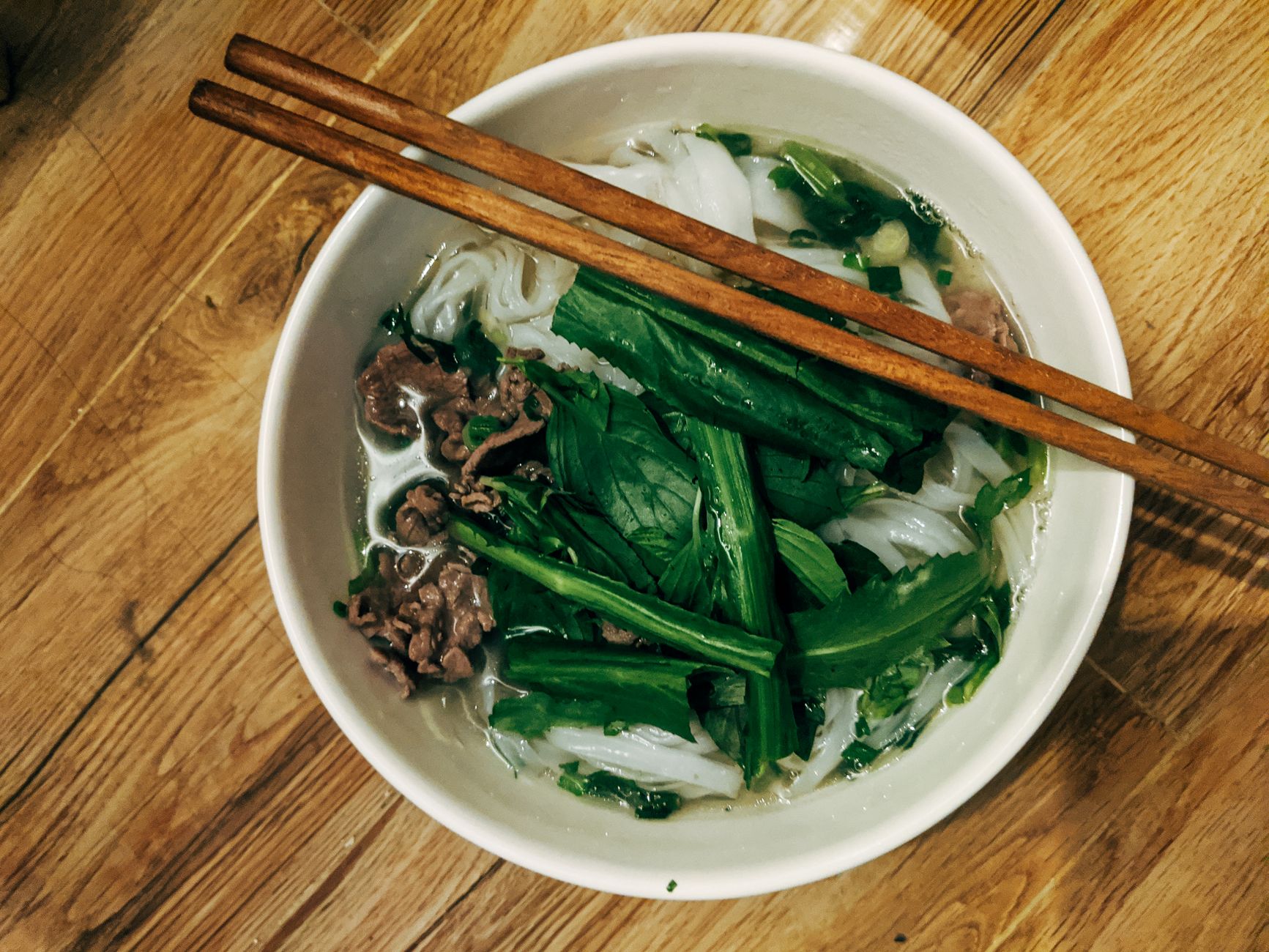
Pho noodles are an essential component of the beloved Vietnamese dish, pho. These flat rice noodles, known as “bánh phở,” offer a delicate texture and a platform for rich broths and flavorful garnishes. Knowing how long to cook pho noodles is vital for achieving the perfect noodle consistency that complements the soup.
Cooking pho noodles can be straightforward, but timing is crucial to avoid mushiness or undercooking. Whether you use dried or fresh noodles, understanding the appropriate cooking times and methods is key to serving an authentic bowl of pho.
How Long to Cook Pho Noodles?
The cooking time for pho noodles varies depending on whether you are using fresh or dried noodles. Fresh pho noodles typically require about 1 to 2 minutes of cooking time, while dried pho noodles usually need 5 to 7 minutes. It is essential to keep an eye on them, as overcooking can lead to undesirable mushiness.
Understanding Pho Noodles
Pho noodles are made from rice flour, which gives them a unique combination of chewiness and tenderness. These noodles come in various sizes, typically ranging from thin to wide. The most common sizes used for pho are the medium-width (about 1/4 inch) and wider noodles (up to 1/2 inch).
Types of Pho Noodles
- Fresh Pho Noodles: These are often found in refrigerated sections of Asian grocery stores and are the most authentic choice for making pho. They have a soft, pliable texture.
- Dried Pho Noodles: These are convenient and have a longer shelf life than fresh noodles. They require soaking and cooking but may lack some of the freshness of their fresh counterparts.
Cooking Fresh Pho Noodles
When cooking fresh pho noodles, the goal is to maintain their delicate texture while ensuring they are thoroughly heated. Here’s a straightforward method to follow:
Ingredients
- Fresh pho noodles
- Water (4 to 6 cups, depending on the amount of noodles)
- Large pot
- Slotted spoon or colander
- Stirring spoon
- Bring a large pot of water to a boil.
- Add the fresh pho noodles to the boiling water. Stir gently to separate the noodles.
- Cook for 1 to 2 minutes, or until the noodles are tender and hot but still maintain some firmness.
- Once cooked, use a slotted spoon or colander to drain the noodles.
- Rinse the noodles briefly under cold water to stop the cooking process and prevent sticking.
- Always prepare the broth first, as you want to serve the noodles immediately in hot soup.
- Test the noodles for doneness before draining to ensure you achieve the right texture.
- If the noodles stick together, a light rinse with cold water can help separate them.
- Dried pho noodles
- Water (4 to 6 cups)
- Large pot
- Slotted spoon or colander
- Stirring spoon
- Soak the dried pho noodles in warm water for about 20 to 30 minutes. This will hydrate them and reduce cooking time.
- After soaking, drain the noodles and bring a large pot of water to a rolling boil.
- Add the soaked noodles to the boiling water and stir gently.
- Cook for 5 to 7 minutes, until the noodles are tender but not mushy.
- Drain using a slotted spoon or colander and rinse briefly with cold water.
- Monitor cooking time closely; dried noodles can overcook quickly.
- Consider preparing a large batch to have on hand for quick meals.
- Like fresh noodles, rinse them briefly under cold water after cooking to avoid stickiness.
- Overcooking: This is the most common mistake. Overcooked noodles can become mushy and lose their desirable texture. Always err on the side of undercooking slightly, as the noodles will continue to cook when added to hot broth.
- Skipping Rinsing: Not rinsing the noodles after cooking can lead to clumping. Rinsing helps to stop the cooking process and keeps noodles separate.
- Not Testing for Doneness: Always taste a noodle before draining to ensure it is cooked to your preference. Each brand or batch may vary slightly in cooking times.
- Top with thinly sliced meat, such as brisket or rare beef.
- Garnish with fresh herbs like basil or cilantro, along with bean sprouts and lime wedges on the side.
- Include Sriracha or hoisin sauce for added flavor and personalization.
- Store cooked pho noodles in an airtight container in the refrigerator for up to 3 days.
- When reheating, add a splash of water to steam and prevent drying out.
- Both fresh and cooked pho noodles can be frozen. Allow them to cool completely, then transfer to a freezer-safe bag or container.
- When ready to use, defrost the noodles in the refrigerator overnight and reheat with hot broth.
- Consider adding a dash of soy sauce to the cooking water for a hint of umami.
- Herbs such as star anise or ginger can be added to the boiling water for a gentle aromatic effect.
Equipment
Cooking Instructions
Tips for Cooking Fresh Pho Noodles
Cooking Dried Pho Noodles
Cooking dried pho noodles requires a different approach than fresh noodles. They typically require soaking first, followed by boiling.
Ingredients
Equipment
Cooking Instructions
Tips for Cooking Dried Pho Noodles
Common Mistakes to Avoid
Cooking pho noodles may seem simple, but there are pitfalls to watch out for to ensure the best results.
Serving Pho Noodles
Serving pho noodles correctly can enhance the overall dining experience. Once the noodles are cooked and drained, they can be placed directly into bowls and ladled with hot broth. Here are a few serving suggestions:
Make-Ahead and Storage Tips
If you want to prepare pho noodles in advance, be mindful of how they are stored to maintain quality.
Storing Cooked Noodles
Freezing Noodles
Flavoring the Noodles
While pho noodles are typically served plain to complement the richer flavors of the broth, you can infuse them with subtle flavors if desired.
Final Thoughts
Cooking pho noodles is a simple yet essential part of making a hearty bowl of pho. With the right timing and technique, you can achieve the perfect noodle texture that complements the aromatic broth. Whether you choose fresh or dried noodles, knowing how to cook them properly can elevate your homemade pho experience.
To gain an even deeper appreciation of this Vietnamese classic, consider exploring related topics such as the nutritional content of pho or the savory chow fun recipe. Each step in the cooking process brings you closer to enjoying a delicious, authentic meal at home!