
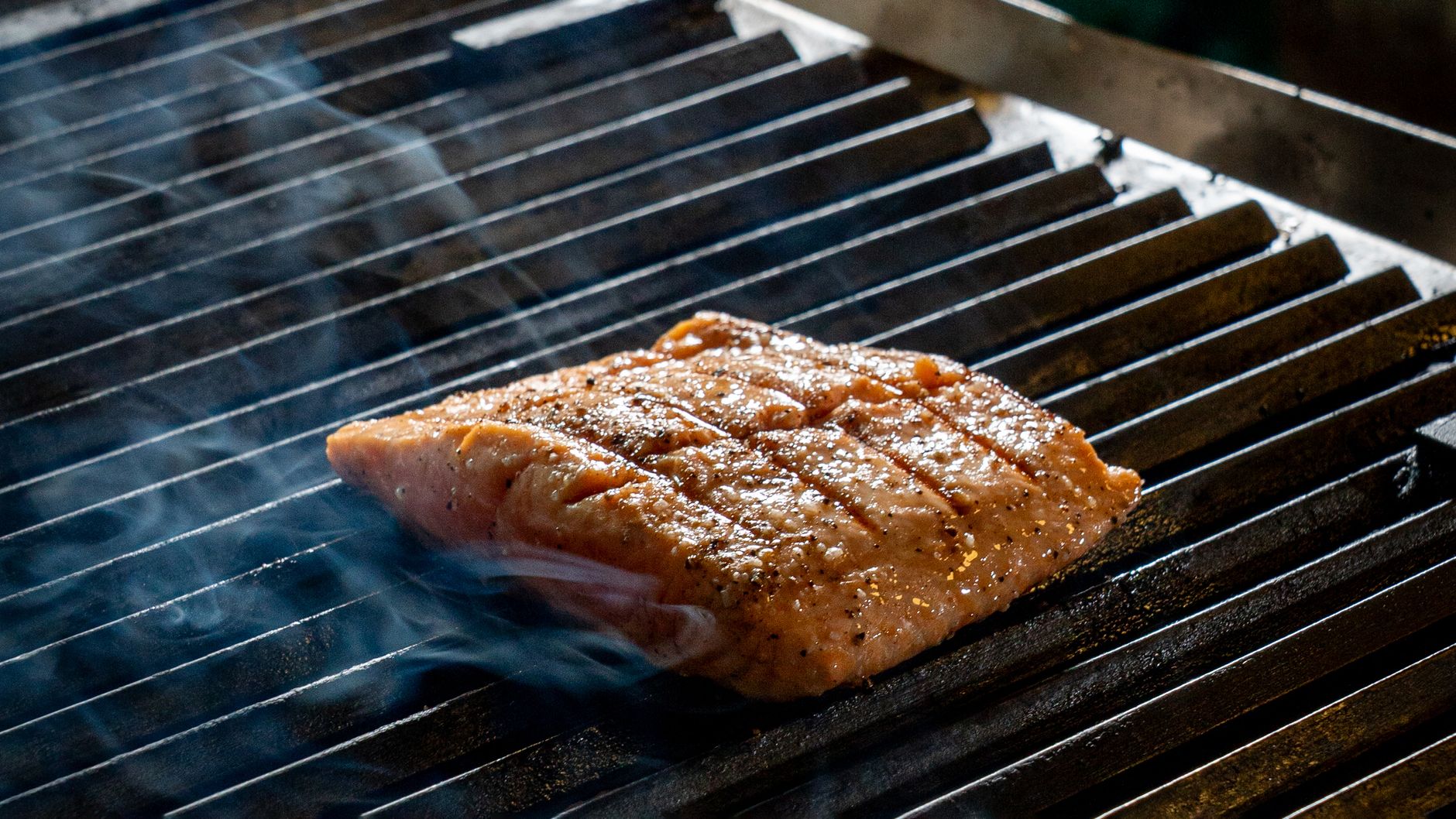
Flounder is a popular flatfish known for its mild flavor and flaky texture. This seafood option is enjoyed in various cuisines and offers many nutritional benefits. But is flounder good for you? In this comprehensive guide, we will explore the nutritional value, health benefits, preparation methods, and culinary uses of flounder.
Whether you are looking to add lean protein to your diet, trying to incorporate more seafood into your meals, or just curious about what flounder offers, this article will provide valuable insights into how flounder can fit into a healthy lifestyle.
Is Flounder Good for You?
Yes, flounder is generally considered a healthy seafood choice. It is low in calories and high in protein, making it a great source of lean nutrition. Additionally, flounder is rich in essential nutrients, including omega-3 fatty acids, which have been associated with various health benefits.
Nutritional Profile of Flounder
To assess whether flounder is a good addition to your diet, let’s look at its nutritional profile. The following information is based on a typical serving size of 3.5 ounces (100 grams) of cooked flounder:
- Calories: 91
- Protein: 20 grams
- Total Fat: 1.8 grams
- Saturated Fat: 0.5 grams
- Omega-3 Fatty Acids: 0.2 grams
- Cholesterol: 60 milligrams
- Sodium: 60 milligrams
- Potassium: 392 milligrams
- Vitamin B12: 1.7 micrograms (around 71% of the Daily Value)
- Selenium: 36 micrograms (around 65% of the Daily Value)
Health Benefits of Flounder
Flounder offers several health benefits, making it an excellent choice for a healthy diet. Below we outline some of the key advantages.
1. High in Protein
Flounder is an excellent source of high-quality protein, which is essential for building and repairing tissues. Protein is also crucial for producing enzymes and hormones in the body. Incorporating flounder into your meals can help you meet your protein requirements without consuming excess fat.
2. Low in Calories and Fat
At only 91 calories per 3.5-ounce serving, flounder is a great option for those looking to maintain or lose weight. Its low caloric content combined with its leanness makes it an ideal choice for a healthy meal.
3. Rich in Omega-3 Fatty Acids
Although flounder contains less omega-3 fatty acids compared to fattier fish like salmon, it still provides a beneficial amount. Omega-3 fatty acids are known for their anti-inflammatory properties and can support heart health, brain function, and overall well-being.
4. Packed with Vitamins and Minerals
Flounder is a good source of several essential vitamins and minerals, including vitamin B12 and selenium. Vitamin B12 plays a vital role in nerve function and the production of red blood cells, while selenium is important for antioxidant function and thyroid health.
5. Supports Heart Health
Regular consumption of fish, including flounder, has been associated with lower risks of heart disease. The combination of high protein, low fat, and beneficial fatty acids makes flounder a heart-healthy protein source.
How to Cook Flounder
Flounder can be prepared using a variety of cooking methods, making it a versatile ingredient in the kitchen. Here are some popular techniques:
1. Baking
Baking flounder is a simple and healthy method that involves seasoning the fish and cooking it in the oven. To bake flounder:
- Preheat your oven to 400°F (200°C).
- Place the flounder fillets on a lined baking sheet.
- Season with salt, pepper, lemon juice, or herbs.
- Bake for about 15-20 minutes or until the fish flakes easily with a fork.
2. Pan-Seering
Pan-searing gives flounder a wonderful golden crust while keeping the inside tender. To pan-sear flounder:
- Heat a few tablespoons of olive oil in a skillet over medium heat.
- Season the flounder fillets with salt and pepper.
- Once the oil is hot, add the fillets and cook for about 3-4 minutes on each side until golden brown.
3. Grilling
Grilling flounder can add a delicious smoky flavor to the fish. To grill flounder:
- Preheat the grill to medium-high heat.
- Brush the flounder with olive oil and season with spices or marinade.
- Grill for about 3-5 minutes on each side or until the fish turns opaque and flakes easily.
4. Poaching
Poaching flounder keeps it moist and tender. To poach flounder:
- Bring a pot of water or broth to a gentle simmer.
- Add seasonings and any aromatics like garlic or herbs.
- Gently add the flounder fillets and cook for about 5-7 minutes until opaque.
Culinary Uses of Flounder
Flounder can be used in a variety of dishes, making it a great choice for both casual and gourmet cooking. Here are some popular culinary applications:
- Fish Tacos: Use seasoned flounder as a filling, topped with fresh salsa and avocado for a delicious taco option.
- Fish Sticks: Coat flounder strips in breadcrumbs and bake or fry for a healthy version of this classic dish.
- Stews and Soups: Flounder can be added to seafood stews for added protein and flavor.
- Sushi: In some cuisines, flounder may even be used as a sushi filling or topping.
- Salads: Serve flounder over a bed of leafy greens with vinaigrette for a light and nutritious meal.
Flounder vs. Other Fish
When evaluating the health benefits of flounder, it can be useful to compare it with other fish. Below are points of comparison with salmon and tilapia, two common fish types.
| Type of Fish | Calories (per 100g) | Protein (g) | Omega-3 (g) |
|---|---|---|---|
| Flounder | 91 | 20 | 0.2 |
| Salmon | 206 | 22 | 2.3 |
| Tilapia | 128 | 26 | 0.1 |
As seen in the table above, while flounder is lower in calories than salmon and has a moderate protein content, it also has less omega-3 fatty acids. However, flounder remains a good choice for those looking for a lighter, mild-flavored fish.
Safety and Sustainability
When considering adding flounder to your diet, it’s essential to consider sustainability and safety. Overfishing and environmental concerns can affect seafood supplies, and some fish may be high in toxins like mercury.
1. Choosing Sustainable Sources
To ensure you are consuming sustainably sourced flounder, look for labels indicating responsible fishing practices. Organizations such as the Marine Stewardship Council (MSC) and the Aquaculture Stewardship Council (ASC) provide certifications for sustainable seafood.
2. Safety Guidelines
When preparing flounder or any fish, follow these safety guidelines:
- Always wash your hands before handling raw seafood.
- Keep raw fish separate from other foods to avoid cross-contamination.
- Use a food thermometer to ensure the fish reaches a safe internal temperature of 145°F (63°C).
- Store flounder in the refrigerator at 40°F (4°C) or lower and consume it within 1-2 days of purchase.
Common Mistakes When Cooking Flounder
Cooking flounder can be straightforward, but a few common mistakes can lead to less-than-ideal results:
- Overcooking: Flounder can dry out quickly if overcooked, so monitor its cooking time closely.
- Not Using Enough Seasoning: Given its mild flavor, flounder benefits from proper seasoning. Experiment with herbs and spices to enhance its taste.
- Using Too High Heat: Cooking flounder over too high a heat can cause sticking or burning. Moderate heat works best.
How to Incorporate Flounder into Your Diet
Integrating flounder into your meals is easy and can be done in various ways. Here are some practical tips:
- Weekly Meal Prepping: Plan one or two meals using flounder each week to create variety in your diet.
- Substitutions: Use flounder in place of other less-healthy proteins in recipes for a nutritious upgrade.
- Pairing with Vegetables: Serve flounder with steamed or roasted vegetables for a balanced meal.
Conclusion
Overall, flounder is a nutritious, versatile ingredient that can be easily incorporated into a variety of meals. Its low calories, high protein content, and essential nutrients make it a worthwhile addition to a healthy diet. Whether baked, grilled, or sautéed, flounder provides a tasty and satisfying seafood option.
Explore more recipes, cooking tips, and food guides to expand your culinary repertoire and make the most of nutritious ingredients in your kitchen.