
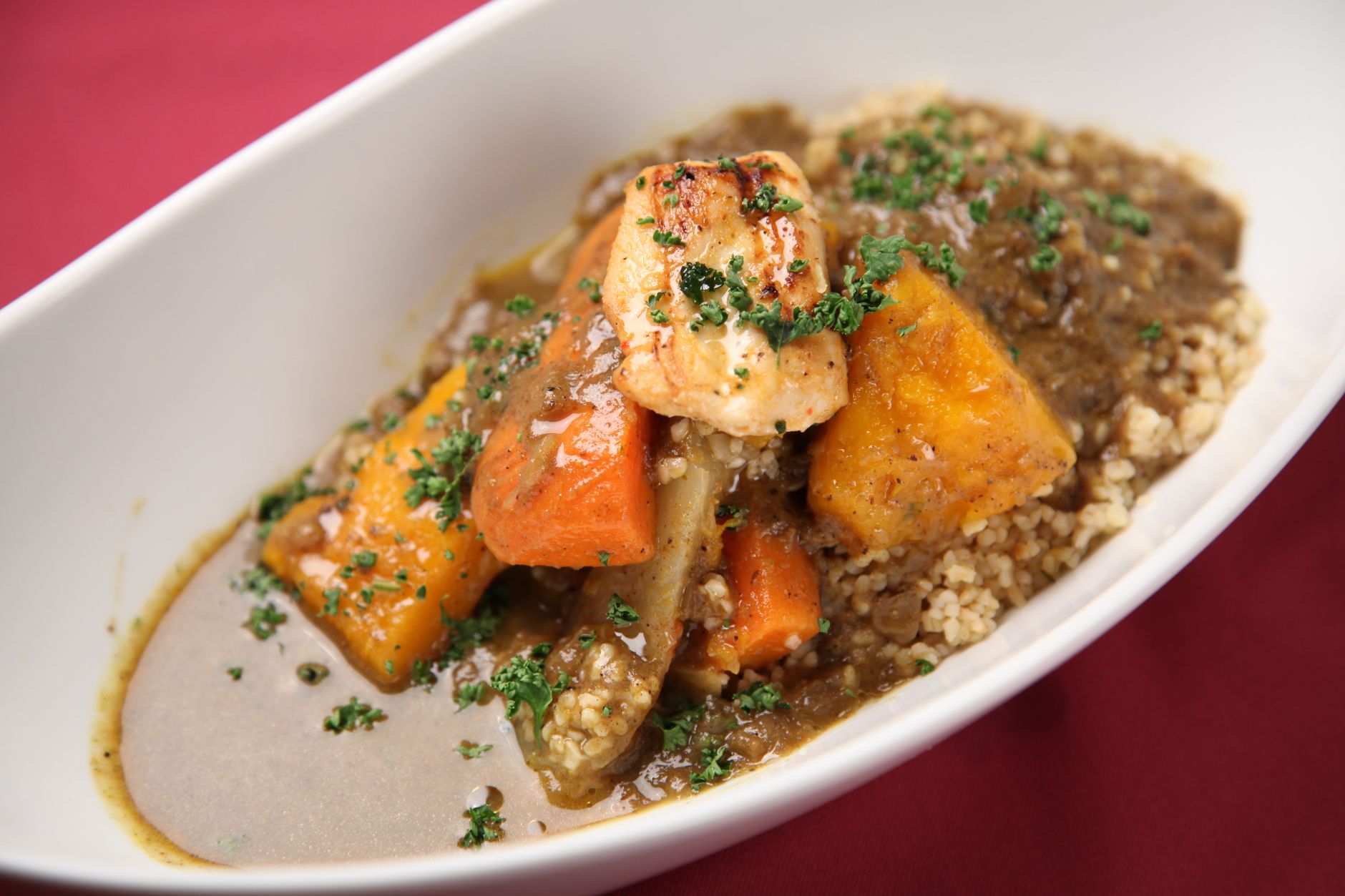
Feeling satisfied after a meal is not just about enjoying flavors; it’s also about the types of foods you consume. Certain foods can help you feel full longer, primarily because they are rich in nutrients, fiber, and protein. Understanding these foods can assist you in meal planning, weight management, and overall well-being.
This article explores various foods that can increase satiety, helping you maintain energy levels and control hunger. From high-fiber options to protein-rich ingredients, we’ll delve into what makes these foods effective for feeling full.
What Foods Make You Feel Full?
Foods that make you feel full generally contain high amounts of fiber, protein, or healthy fats. These nutrients help slow digestion and increase the feeling of fullness, which can help reduce the overall calorie intake. Common categories include whole grains, legumes, fruits, vegetables, and certain protein sources.
Why Does Feeling Full Matter?
Understanding fullness is essential for maintaining a balanced diet and achieving personal health goals. When you select foods that promote fullness, you are less likely to snack excessively or consume high-calorie, low-nutrient options. Additionally, feeling full helps regulate appetite hormones, contributing to a healthier eating pattern.
High-Fiber Foods
Fiber is a crucial component for feeling full. It adds bulk to your meals and slows down the digestive process, which helps you stay satisfied longer. Here are some top high-fiber foods to include in your diet:
- Legumes: Beans, lentils, and chickpeas are incredibly high in fiber. Just one cup of cooked lentils provides about 15.6 grams of fiber, significantly contributing to your daily intake.
- Whole Grains: Foods like oats, quinoa, brown rice, and whole wheat bread are rich in fiber and can help keep you full. For example, one cup of cooked quinoa has around 5 grams of fiber.
- Fruits: Apples, berries, and pears are abundant in fiber, especially when their skins are consumed. One medium apple provides about 4 grams of fiber.
- Vegetables: Vegetables such as broccoli, Brussels sprouts, and carrots not only fill you up but also provide essential vitamins and minerals. One cup of cooked broccoli has about 5 grams of fiber.
Protein-Rich Foods
Protein is another nutrient that enhances feelings of fullness. Consuming protein can reduce hunger hormones and increase the release of hormones that signal fullness. Consider incorporating the following protein-rich foods:
- Eggs: Known for their versatility, eggs contain about 6 grams of protein each and can keep you feeling full for hours.
- Greek Yogurt: This dairy food is higher in protein compared to regular yogurt, providing around 20 grams of protein per cup. It can be consumed on its own or used as a base in smoothies and dressings.
- Lean Meats: Chicken, turkey, and lean cuts of beef are excellent protein sources that can help you feel satisfied. A 3-ounce serving of chicken breast contains approximately 26 grams of protein.
- Fish: Salmon and tuna are not only rich in protein but also offer healthy fats. A 3-ounce portion of salmon provides about 22 grams of protein.
Healthy Fats
Fats are more calorie-dense than carbohydrates or proteins but can promote fullness as well. Healthy fats slow digestion and satisfy hunger. When included in moderation, they can contribute to a well-rounded meal. Consider these healthy fat sources:
- Avocado: Rich in monounsaturated fat, avocados can help keep you full. One medium avocado provides about 12 grams of fiber and healthy fats.
- Nuts and Seeds: Almonds, walnuts, and chia seeds are examples of nutrient-packed foods that contain healthy fats. An ounce of almonds contains 6 grams of protein and 3.5 grams of fiber.
- Olive Oil: An unprocessed fat that can be used in cooking or salad dressings. It has been linked to feelings of fullness for some people.
- Nut Butters: Natural peanut and almond butters are high in healthy fats and protein. Two tablespoons provide about 8 grams of protein.
Foods with High Water Content
Foods with high water content can also contribute to fullness without a lot of calories. They add volume to meals, helping to satisfy hunger. Here are some foods rich in water:
- Soups and Broths: Starting a meal with a broth-based soup can help reduce overall calorie intake while promoting fullness.
- Water-Rich Fruits: Foods like watermelon, cucumbers, and oranges contain high water content, helping to fill you up without excessive calories.
- Salads: A salad made primarily of leafy greens and vegetables not only hydrates but also fills you with fiber and essential nutrients.
Meal Planning Tips for Fullness
Incorporating filling foods into your meal plans requires some deliberate choices and preparation. Here are some practical tips:
1. Start with a High-Protein Breakfast
Kickstart your day with a breakfast rich in protein or fiber, such as oatmeal topped with nuts and Greek yogurt, or an omelet filled with vegetables. These meals can keep you satisfied until lunchtime.
2. Include a Variety of Food Groups
A well-rounded meal that includes protein, whole grains, healthy fats, and vegetables can help prolong fullness. For instance, a grain bowl topped with quinoa, roasted vegetables, a protein source like chickpeas, and a drizzle of olive oil can be very satisfying.
3. Snack Smartly
Choosing healthy snacks that include protein or fiber can help manage hunger between meals. Consider snacks like apple slices with almond butter or carrot sticks with hummus.
4. Practice Portion Control
Even when consuming filling foods, portion control is crucial to manage overall calorie intake. Use smaller plates to prevent overeating while still enjoying satisfying meals.
Practical Cooking Techniques
How you prepare food can influence its fullness level as well. Here are some cooking techniques that can enhance the satiety of meals:
1. Roasting
Roasting vegetables caramelizes their natural sugars, enhancing sweetness and flavors. This method can make you crave fewer calorie-dense toppings or accompaniments.
2. Steaming
Steaming vegetables helps retain their nutrients and can maintain their volume and texture, making them a great meal addition for satiety.
3. Cooking Whole Grains
Cooking whole grains like brown rice or farro can be done in large batches for easy meal prep. Adding grains to various dishes increases their fiber content, promoting fullness.
4. Casseroles
Casseroles that layer different food groups can create satisfying meal options. Combine high-fiber legumes, protein, and vegetables for a complete dish.
Common Mistakes to Avoid
When trying to incorporate full-feeling foods into your diet, some common pitfalls may deter your efforts:
- Neglecting Balance: Focusing solely on high-fiber foods without including healthy fats and proteins can lead to an unbalanced diet. Aim for meals that address all macronutrients.
- Overreliance on Processed Foods: Even if a processed food contains fiber or protein, it may lack other nutrients critical for fullness. Focus on whole, minimally processed ingredients.
- Ignoring Portion Size: Even with nutritious foods, consuming excessively can still lead to weight gain. Be mindful of portion sizes while enjoying filling foods.
Storage and Meal Prep
Proper storage and meal prepping can help you take advantage of filling foods to stay satisfied throughout the week. Here are some strategies to consider:
Meal Batch Cooking
Prepare key ingredients in batches, such as whole grains, proteins, and roasted vegetables. Store in separate containers in the fridge for quick access to satisfying meal components.
Freezing Portions
Certain foods, like soups and stews, can be cooked in bulk and frozen in portions. Simply reheat when needed for a quick, filling meal.
Proper Storage Tips
Store high-water-content fruits and vegetables in the refrigerator to maintain freshness. Dry foods like grains and legumes should be kept in a cool, dark place to extend their shelf life.
Conclusion
In conclusion, selecting the right foods can significantly impact how full you feel. Foods rich in fiber, protein, and healthy fats will keep you satisfied, help manage hunger, and promote a balanced diet. Incorporating these food types into meal planning can lead to better overall health and wellness. Start by choosing a variety of filling foods to create meals that keep you energized and satiated throughout the day.
Explore more on the benefits of chia seeds and try out a delicious chia pudding recipe to add diversity to your nutritious meals!