
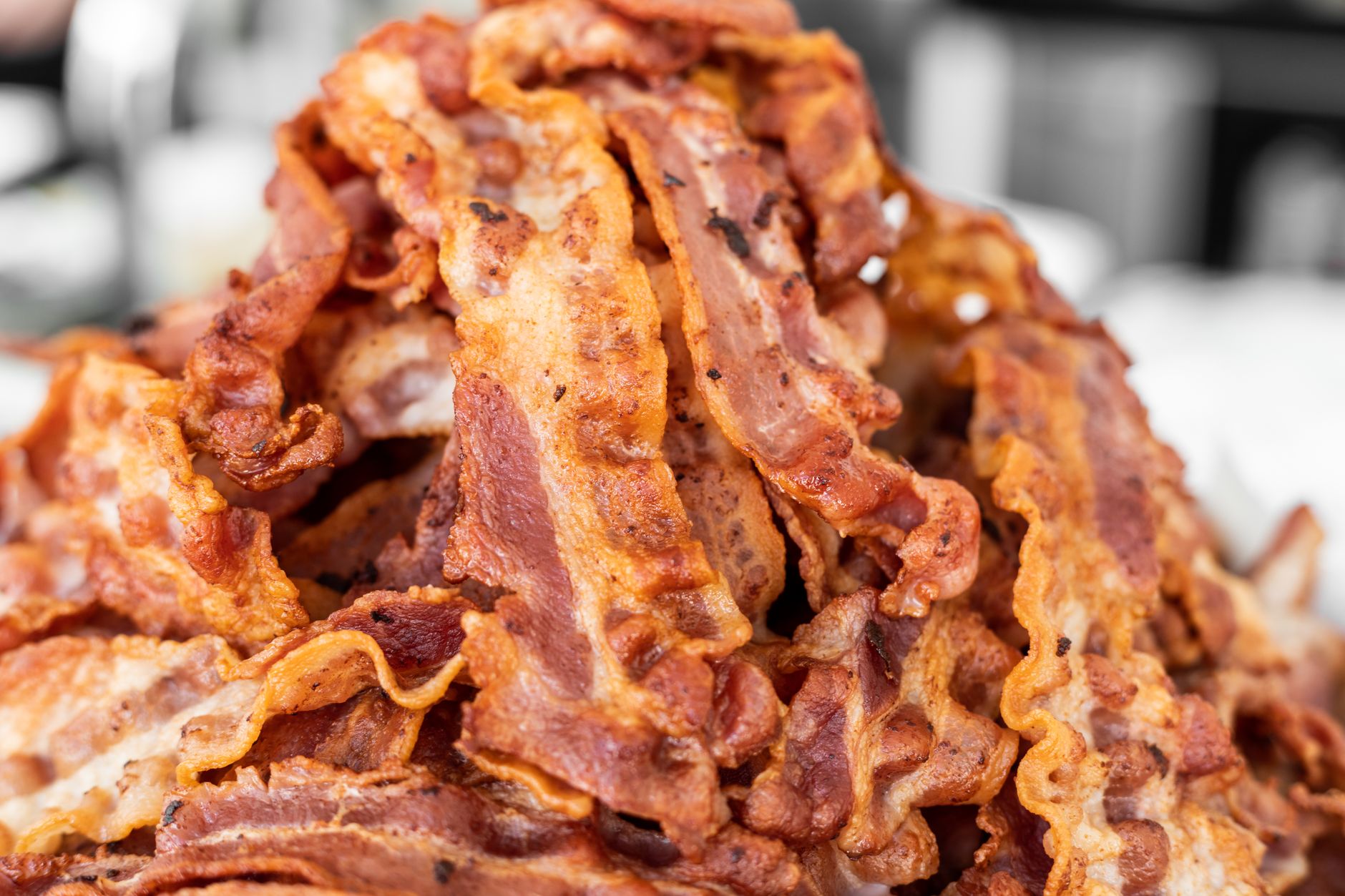
When it comes to breakfast favorites, bacon often takes center stage. However, it has also gained a notorious reputation in dietary discussions, particularly concerning cholesterol levels. This article explores the relationship between bacon and cholesterol, helping readers understand how to incorporate bacon into a balanced diet without compromising heart health.
By examining dietary considerations, the nutritional content of bacon, and the potential impact on cholesterol levels, you can make informed choices. Whether you’re a bacon lover or a health-conscious eater, this guide provides insights into enjoying bacon while maintaining a heart-healthy lifestyle.
Is Bacon Bad for Cholesterol?
The short answer is: it depends. Bacon is high in saturated fats and cholesterol, which can contribute to increased LDL (low-density lipoprotein) cholesterol levels in some individuals. However, when consumed in moderation and as part of a balanced diet, bacon can be enjoyed without significantly affecting heart health for most people.
Understanding Cholesterol
Cholesterol is a waxy substance found in your body’s cells and is necessary for producing hormones, vitamin D, and bile acids to digest fat. There are two main types of cholesterol:
- LDL Cholesterol: Often referred to as “bad” cholesterol, high levels can lead to plaque buildup in arteries, increasing the risk of heart disease.
- HDL Cholesterol: Known as “good” cholesterol, it helps remove LDL from the bloodstream, reducing the risk of heart disease.
Maintaining a healthy balance between LDL and HDL cholesterol is crucial for heart health. Factors affecting cholesterol levels include diet, genetics, physical activity, and weight.
Bacon’s Nutritional Profile
Bacon is primarily made from pork belly and is typically cured or smoked. A standard slice of cooked bacon (about 8 grams) contains approximately:
| Nutrient | Amount per Slice |
|---|---|
| Calories | 42 |
| Protein | 3 grams |
| Total Fat | 3.3 grams |
| Saturated Fat | 1.1 grams |
| Cholesterol | 10 milligrams |
| Sodium | 137 milligrams |
While bacon provides protein and essential vitamins like B12 and selenium, it is also high in saturated fat and sodium. Moderation and mindful consumption are key to reducing any negative impact on cholesterol.
The Relationship Between Bacon and Cholesterol
The concern surrounding bacon largely stems from its saturated fat and cholesterol content. Diets high in saturated fats can increase LDL cholesterol levels in the blood. Recent studies have suggested that the link between saturated fat and heart disease may not be as direct as previously thought, but moderation is still essential.
Additionally, bacon is often processed, which can introduce other unhealthy components. Processed meats have been linked to a higher risk of various health issues, including heart disease.
Moderation is Key
For most people, eating bacon in moderation—around one to two slices a few times a week—can fit into a healthy diet. It is important to balance bacon with other nutrient-dense foods like vegetables, fruits, whole grains, and lean proteins. This approach can mitigate the risks associated with bacon consumption.
Cooking Techniques to Reduce Health Risks
The method used to cook bacon can also affect its health profile. Here are some tips for healthier bacon preparation:
Choose Leaner Cuts
- Opt for turkey bacon or center-cut bacon, which is lower in fat compared to traditional bacon.
- Look for bacon labeled as “lower sodium” to reduce salt intake.
Cooking Methods
How you cook your bacon matters. Here are some healthier cooking techniques:
- Oven-Baking: Baking bacon on a wire rack positioned over a baking sheet allows fat to drain away, reducing overall fat content.
- Grilling: Grilling bacon also helps it to cook evenly while allowing excess fat to drip away.
- Microwaving: Using a microwave with a bacon tray can reduce cooking time and fat retention.
Healthy Substitutes for Bacon
If you’re looking to reduce bacon intake but still crave its flavor, consider these alternatives:
- Turkey Bacon: This is a popular substitute that typically contains less fat and fewer calories.
- Veggie or Plant-Based Bacon: Made from ingredients like mushrooms or soy, it’s a lower-fat option that adds a smoky flavor.
- Smoked Paprika or Liquid Smoke: These can add smoky flavors to dishes without the saturated fats found in bacon.
Recipes Incorporating Bacon Wisely
Here are some ideas to enjoy bacon in your meals without going overboard:
Vegetable-Stuffed Omelet with Bacon
This dish allows you to enjoy the flavor of bacon while loading up on nutritious vegetables.
- Ingredients:
- 2 large eggs
- 1 slice of cooked bacon, chopped
- 1/4 cup mixed bell peppers, diced
- 1/4 cup spinach
- Salt and pepper, to taste
- Instructions:
- Heat a non-stick skillet over medium heat.
- Whisk eggs and season with salt and pepper.
- Add bell peppers and spinach to the skillet and sauté until soft.
- Pour the eggs over the cooked vegetables; sprinkle with bacon.
- Cook until eggs are set, gently folding over to create an omelet.
Quinoa Salad with Bacon and Veggies
This hearty salad is rich in nutrients and only requires a small amount of bacon for flavor.
- Ingredients:
- 1 cup cooked quinoa
- 1 slice of bacon, cooked and crumbled
- 1/2 cup cherry tomatoes, halved
- 1/4 cucumber, diced
- 1 tablespoon olive oil
- 1 tablespoon balsamic vinegar
- Salt and pepper, to taste
- Instructions:
- In a large bowl, combine quinoa, tomatoes, cucumber, and bacon.
- Drizzle with olive oil and vinegar, then season with salt and pepper.
- Toss to combine and serve chilled or at room temperature.
Common Mistakes to Avoid
When it comes to bacon and cholesterol management, here are some mistakes to watch out for:
- Overconsumption: Eating bacon daily or in large quantities can lead to higher cholesterol levels.
- Ignoring Other Dietary Factors: Focusing solely on bacon without considering overall diet can be counterproductive.
- Neglecting Exercise: A sedentary lifestyle can negatively impact cholesterol levels, regardless of diet.
Storing and Reheating Bacon
Proper storage and reheating methods can help maintain the quality of leftover bacon while minimizing health risks:
- Storage: Cooked bacon can be stored in an airtight container in the refrigerator for up to one week.
- Freezing: Bacon can be frozen for up to three months. Separate slices with parchment paper for easy use later.
- Reheating: Reheat bacon in the microwave for 15-30 seconds or in an oven at 350°F until heated through.
Conclusion
Bacon can fit into a heart-healthy diet when consumed in moderation and prepared wisely. By understanding its effects on cholesterol levels and making informed choices, you can enjoy this savory treat without compromise. Keep balance in mind, and prioritize a diet rich in whole grains, fruits, vegetables, and lean proteins.
If you’re looking to explore more delicious recipes or cooking tips, check out these links: a candied bacon recipe, and learn more about cholesterol.