
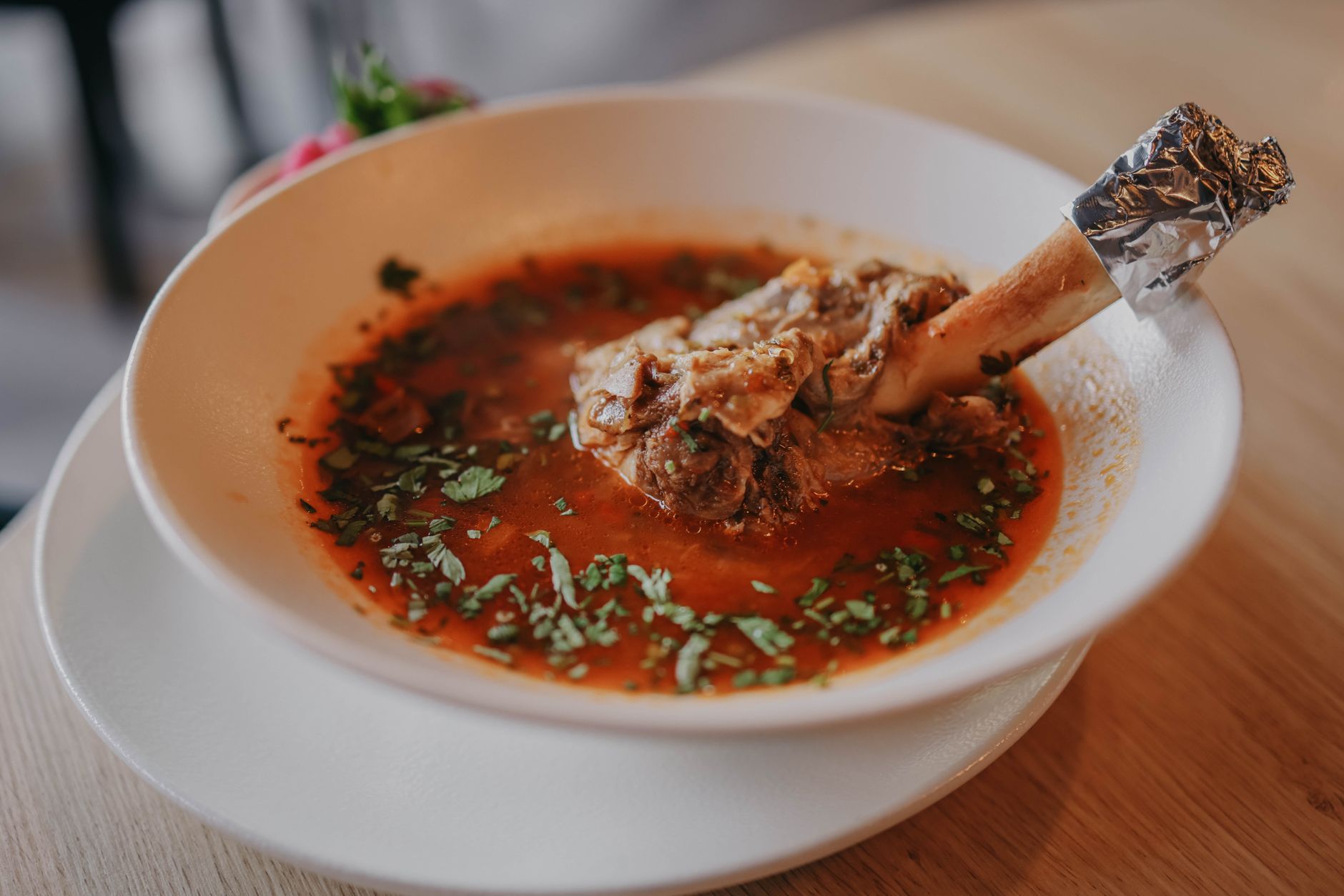
Bone broth is a nutrient-rich liquid made by simmering the bones and connective tissues of animals, often enhanced with herbs and vegetables. It has gained popularity for its potential health benefits, including gut health support and joint protection. But if you’re making it at home, you might wonder, how long does bone broth last in the fridge?
The longevity of bone broth in the refrigerator can determine meal planning and proper food safety. Understanding its storage life ensures you enjoy its flavors and benefits without risking foodborne illnesses. Let’s delve into the details of bone broth storage, safety guidelines, and tips for maximizing its shelf life.
How Long Does Bone Broth Last in Fridge?
Bone broth can last in the fridge for about 3 to 5 days when stored properly. If you find yourself with a large batch, consider freezing some portions to extend its usability significantly. Proper storage conditions, such as airtight containers, play a vital role in maintaining the quality of the broth.
Factors Influencing the Shelf Life of Bone Broth
Several factors can impact how long bone broth lasts in your refrigerator. Understanding these factors will help you make informed decisions about storage.
- Temperature: The fridge temperature should be consistently below 40°F (4°C) to slow bacterial growth.
- Ingredients Used: Adding certain ingredients can affect shelf life. For instance, fresh herbs may not preserve as well as dried herbs.
- Storage Method: Using airtight containers can significantly extend the life of your broth.
- Initial Cooking: The sanitation process during cooking affects longevity. Make sure to boil the broth adequately to ensure harmful bacteria are killed.
Storage Guidelines for Bone Broth
Storing bone broth properly is crucial to maximizing its shelf life and maintaining its quality. Follow these guidelines to ensure your broth stays fresh as long as possible:
- Cool Down: Allow the bone broth to cool to room temperature before transferring it to the fridge. This helps prevent temperature fluctuations in your refrigerator.
- Airtight Containers: Store your broth in airtight containers to prevent exposure to air and contaminants that can lead to spoilage.
- Label Your Containers: Include the date of preparation on the container. This allows you to track its freshness easily.
- Divide into Portions: If you have a large batch, consider dividing it into smaller portions for easier reheating and preventing waste.
- Prioritize Shelf Life: Consume the freshest batch first to avoid waste.
Signs of Spoiled Bone Broth
It’s essential to know the signs that indicate your bone broth has gone bad. No one wants to be surprised by a spoiled batch! Here are some indicators to look out for:
- Off Odor: Fresh bone broth should have a savory, pleasant scent. If it smells rancid or sour, discard it.
- Color Changes: While the broth might not look crystal clear, significant changes in color, such as excessive cloudiness or greenness, can indicate spoilage.
- Texture Changes: If you notice a slimy texture or unusual film on the surface, it’s best to throw it away.
- Visible Mold: Any sign of mold growth means the broth is no longer safe to eat.
How to Reheat Bone Broth
Reheating bone broth properly is crucial to ensure that you enjoy it safely and at its best flavor. Here’s how to do it:
- Transfer to a Pot: Pour the desired amount of broth into a saucepan or pot.
- Heat Gently: Set the burner to medium-low. Heat the broth, stirring occasionally until steaming hot but not boiling, to prevent nutrient loss.
- Use a Food Thermometer: If you’re unsure, check that the broth reaches a minimum temperature of 165°F (74°C) to ensure it’s safe to consume.
- Add Fresh Ingredients: If desired, you can fortify the broth with fresh ingredients like herbs or vegetables during reheating for added flavor.
Can You Freeze Bone Broth?
If you find yourself with more bone broth than you can consume within a few days, freezing is an excellent option. Freezing can extend its life to several months, sometimes up to a year, while maintaining most of its nutritional benefits.
How to Freeze Bone Broth
- Cool Down: Allow the broth to cool fully before freezing.
- Portioning: Divide the broth into portions to make reheating easier. Ice cube trays or freezer-safe containers work well.
- Seal Properly: Use freezer bags or airtight containers to prevent freezer burn. Be sure to leave some headspace for expansion during freezing.
- Label and Date: Always label your containers with the date to keep track of their freshness.
Thawing Bone Broth
When you’re ready to use frozen bone broth, it’s important to thaw it safely:
- Refrigerator Thawing: Move the container to the refrigerator to thaw overnight.
- Cold Water Thawing: For quicker use, submerge the container in cold water, changing the water every 30 minutes until thawed.
- Microwave Thawing: If you’re in a pinch, you can use a microwave on low power, but be sure to reheat it evenly afterwards.
Common Uses for Bone Broth
Bone broth is not only tasty but also versatile. Here are some popular ways to use it in your cooking:
- Soups: Use bone broth as a base for delicious soups, enhancing flavor and nutrition.
- Grains: Cook grains such as rice or quinoa in bone broth to enrich their taste.
- Sauces and Gravies: Incorporate broth into sauces and gravies for added depth.
- Stews: Use as a flavorful liquid in the cooking of stews.
- Drinking Broth: Many people enjoy bone broth as a warm drink for its nourishing qualities.
Health Benefits of Bone Broth
While this article focuses on storage, it’s worth noting some potential health benefits associated with consuming bone broth:
- Rich in Nutrients: Bone broth is rich in minerals and amino acids such as collagen, proline, and glycine, which can support overall health.
- Gut Health: The gelatin in bone broth may help maintain the gut lining and improve digestion.
- Joint Support: Collagen may aid in joint health and support the connective tissues.
Substitutions and Variations
Bone broth can be tailored to personal preferences and dietary needs. Here are some substitutions and variations:
- Vegetable Broth: For a vegetarian option, use a vegetable broth made from a combination of vegetables, herbs, and seasoning.
- Bone Source: While beef bones are common, chicken, turkey, and even fish bones can also be used, offering different flavors and benefits.
- Flavor Enhancements: Consider adding herbs and spices like turmeric, ginger, garlic, or bay leaves for additional health benefits and flavor.
Common Mistakes When Making Bone Broth
Even experienced cooks can make mistakes with bone broth. Here are some common pitfalls to avoid:
- Not Using Enough Bones: Using fewer bones can lead to a weaker flavor. Aim for a balanced ratio of bones to water.
- Skimming Fat: Allowing the fat to remain in the broth can enhance flavor, but make sure to balance it with the right texture.
- Short Cooking Time: Cooking for too little time means you may not extract all the nutrients and flavor from the bones. Aim for a long, slow simmer.
Conclusion
Bone broth is a nutritious and versatile staple that can enhance both your meals and health. When stored correctly in the fridge, it typically lasts 3 to 5 days. For longer storage, freezing is an excellent option that can extend its usability to several months. Always monitor for spoilage signs, and use proper reheating methods to enjoy this nourishing liquid safely. Remember to experiment with various ingredients to find your preferred flavor and health benefits.
For more delicious ideas, check out our articles on the protein content in bone broth and how long cooked chicken lasts. Happy cooking!