
When you open a bag of flour, you might wonder how long that flour will stay fresh and usable. Flour is a staple ingredient in many kitchens and is essential for a variety of recipes. Knowing how to store it properly can make a significant difference in its longevity and quality.
This article offers a comprehensive guide on how long flour is good for after opening, including storage tips, signs of spoilage, and nutritional facts. Whether you’re a seasoned baker or someone who occasionally bakes bread or cookies, this information is essential for keeping your pantry organized and your baked goods delicious.
How Long Is Flour Good for After Opening?
After opening, flour generally remains good for 6 to 12 months, depending on the type and storage conditions. The shelf life can be extended by storing it properly in a cool, dark place and using airtight containers. Always check appearance and smell for freshness.
Types of Flour and Their Shelf Life
Different types of flour have varying shelf lives. The main factors contributing to this difference include the fat content and moisture levels of the flour. Here’s a breakdown of some common types of flour and how long they stay good after opening:
- All-Purpose Flour: Typically lasts 6 to 12 months once opened.
- Whole Wheat Flour: Contains more oils and can spoil faster, good for about 3 to 6 months.
- Self-Rising Flour: Will generally keep for 6 to 12 months, but check for freshness due to leavening agents.
- Cake Flour: Good for about 6 to 12 months, similar to all-purpose flour.
- Gluten-Free Flour: Highly variable; check brands, but typically lasts about 3 to 6 months once opened.
Proper Storage Techniques for Flour
Proper storage plays a crucial role in extending the life of your flour. Below are some effective storage methods:
Airtight Containers
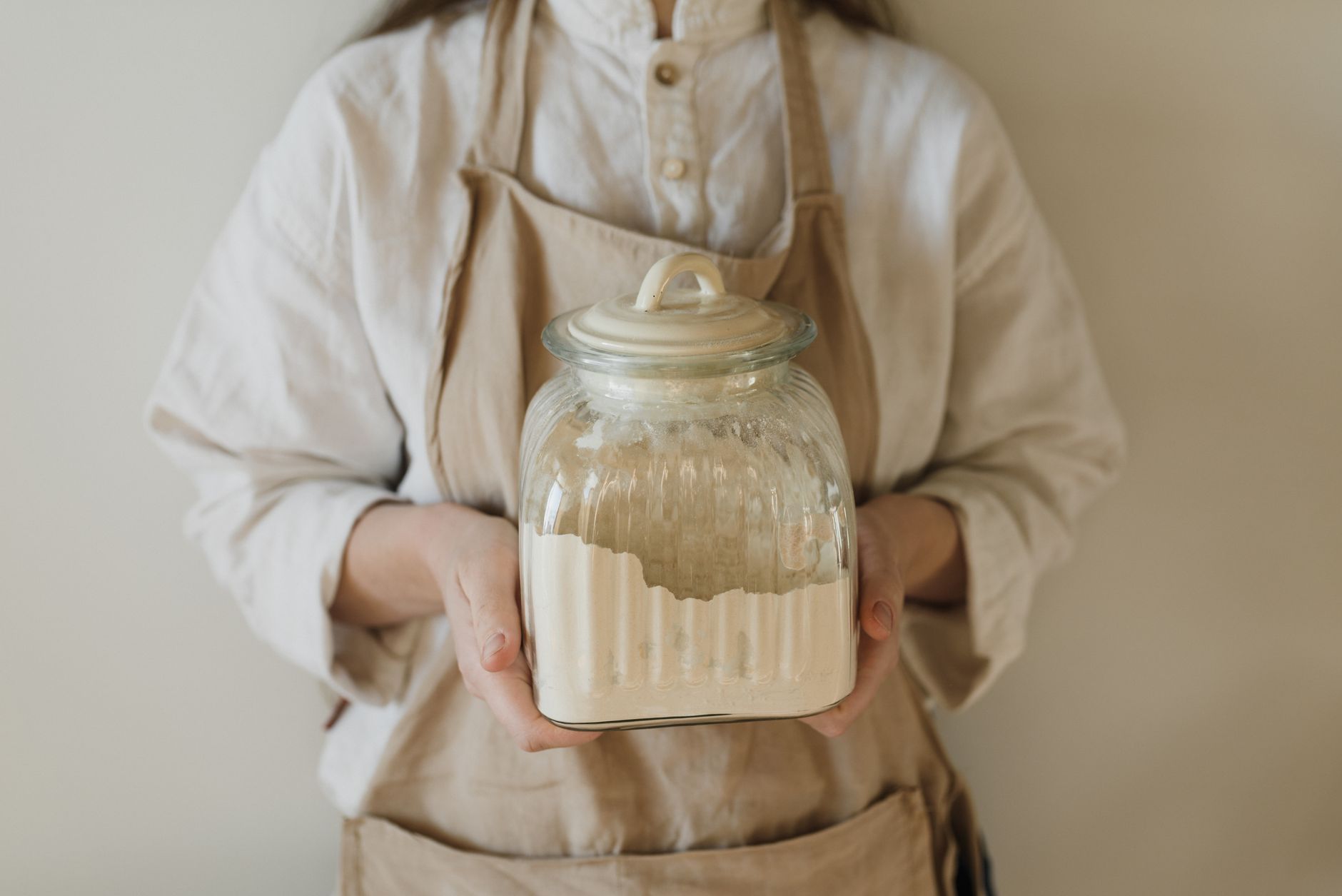
Transferring opened flour to an airtight container is one of the best ways to keep it fresh. Look for containers made from glass, plastic, or metal that are completely sealed to minimize exposure to air and moisture.
Cool and Dark Places
Store your flour in a cool, dark cupboard or pantry. Heat and light can accelerate the degradation process, leading to rancid flour. Avoid storing flour above the oven or near other heat sources.
Refrigeration and Freezing
If you’re concerned about the longevity of your flour, consider refrigerating or freezing it. While this may affect texture slightly upon thawing, it can significantly extend shelf life:
- Refrigeration: Keeps flour fresh for 1 year.
- Freezing: Can maintain flour quality for up to 2 years. Just ensure it’s in a well-sealed, moisture-proof container.
Signs of Spoilage in Flour
Even with proper storage, flour can go bad. Here are some signs to look for:
Off Odor
Fresh flour typically has a neutral, slightly sweet odor. If you detect a sour or rancid smell, it’s a clear indication that the flour has spoiled and should be discarded.
Discoloration
Flour should be a consistent color, whether white or brown. If you notice any dark spots or clumping, these can be signs of mold or contamination. Discard spoiled flour immediately.
Texture Changes
When flour is fresh, it should be fine and powdery. If it has developed a gritty texture or clumps together excessively, it’s time to throw it away.
Pests
Flour is often an inviting target for pantry pests, such as weevils. If you see any bugs or webbing inside the flour container, discard the flour immediately.
Nutritional Facts of Flour
Different types of flour vary in nutritional content, each offering different benefits. Here’s a general overview of the nutritional components of all-purpose flour:
| Nutrient | Per 100g Serving |
|---|---|
| Calories | 364 |
| Protein | 10g |
| Fat | 1g |
| Carbohydrates | 76g |
| Fiber | 3g |
| Sugar | 0g |
Whole wheat flour contains more fiber, vitamins, and minerals than all-purpose flour, making it a healthier option. It usually has about 14g of protein and 12g of fiber per 100g serving.
Cooking and Baking with Different Flours
Understanding how different types of flour behave in cooking and baking will help you choose the right one for your recipes:
All-Purpose Flour
Versatile and commonly used, all-purpose flour works well in various baked goods, from breads to cookies. It strikes a balance between strength and tenderness.
Whole Wheat Flour
This flour is denser and absorbs more moisture than all-purpose flour. When substituting, consider adding a bit more liquid or gluten to maintain texture.
Cake Flour
Cake flour has a lower protein content, making it perfect for tender cakes. Use it when you want a light, fluffy texture. If you don’t have cake flour, you can mix all-purpose flour with cornstarch.
Self-Rising Flour
This flour is made with baking powder and salt already mixed in, ideal for quick breads and pancakes. Avoid using it in recipes that require yeast as it will affect the leavening process.
Gluten-Free Flour
Gluten-free options vary widely in terms of composition and flavor. Common types include almond, coconut, and rice flour. Note that gluten-free flours often require adjustments in recipes, including the addition of binders like xanthan gum to mimic gluten.
Common Mistakes When Using Flour
A few common mistakes can compromise your flour quality or baking results:
Measuring Incorrectly
Flour should be spooned into a measuring cup and leveled off, not scooped directly from the bag, to avoid packing it in and altering the recipe measurements.
Using Expired Flour
Utilizing flour past its prime can alter the flavor, texture, and rise of baked goods. When in doubt, check your flour’s freshness before using it.
Ignoring Ingredient Compatibility
Each flour behaves differently, so know how it interacts with other ingredients. Mixing flours without understanding their properties can lead to unexpected results.
Make-Ahead and Freezing Tips
If you plan to do some baking, here are some make-ahead and freezing tips:
Mixing Dry Ingredients
To save time, pre-mix dry ingredients and keep them in airtight containers. This can include flour, baking powder, baking soda, and spices. Label and date the container for easy reference.
Freezing Prepared Dough
If you have extra cookie dough or bread dough, it can be frozen for later use. Shape the dough, wrap tightly in plastic wrap, and place it in an airtight container. Most doughs can be frozen for up to 3 months.
Conclusion
Knowing how long flour lasts after opening, its proper storage, and the signs of spoilage can help ensure you always have fresh flour on hand when you need it. Store your flour in a cool, dark place and use airtight containers to extend its shelf life. Always keep an eye out for signs of spoilage to make informed decisions about your baking ingredients.
For more information on flour types, consider checking out articles about the difference between bleached and unbleached flour, or find out how long cottage cheese lasts after opening.