
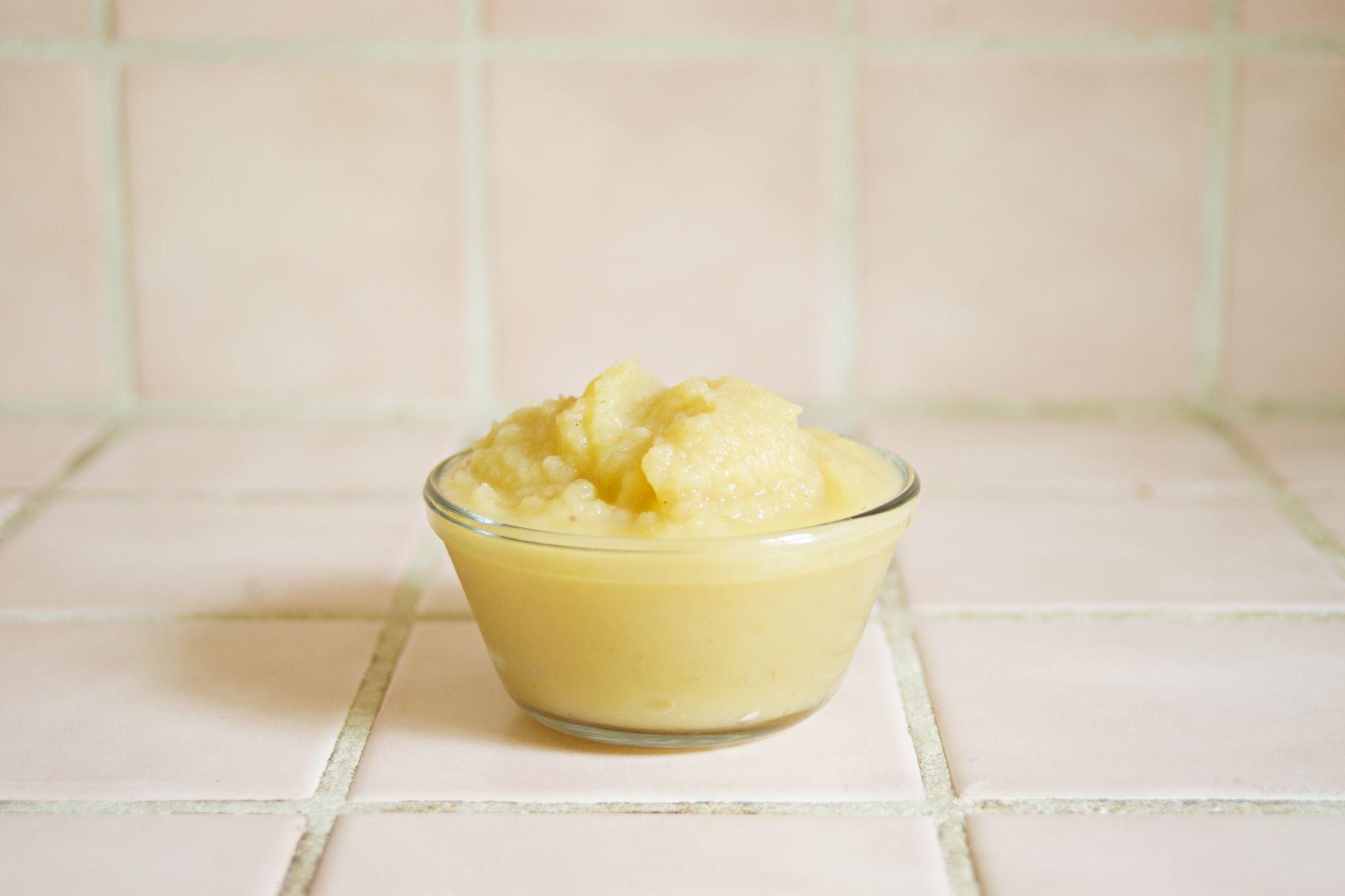
Applesauce is a popular first food for babies, celebrated for its mild flavor and smooth texture. With its natural sweetness and ease of digestion, many parents wonder whether it’s a suitable choice for their infants. Understanding when and how to introduce applesauce can help ensure that your little one enjoys this tasty fruit while receiving essential nutrients.
In this article, we will cover the safety, nutritional benefits, preparation, and serving sizes of applesauce for babies. We’ll also discuss how to incorporate it into their diet and address common concerns surrounding the introduction of this fruit puree.
Can Babies Have Applesauce?
Yes, babies can have applesauce! Introduced around 4 to 6 months, applesauce serves as a great first food. However, it’s essential to choose unsweetened varieties and check for any added ingredients that may not be suitable for infants.
When Can Babies Start Eating Applesauce?
The ideal time to introduce applesauce is usually between 4 to 6 months of age. At this stage, many babies are ready to begin solid foods, transitioning from a diet that consists solely of breast milk or formula. However, it’s crucial to observe your baby’s readiness for solids, including their ability to sit up with support and show interest in food.
Signs That Your Baby is Ready for Solid Foods
- Sitting up with little or no support.
- Showing interest in what you are eating.
- Taking food from your hand or showing excitement during mealtime.
- Displaying the ability to chew and swallow when food is offered.
Nutritional Benefits of Applesauce for Babies
Applesauce provides several vital nutrients that support your baby’s growth and development. It is rich in vitamins, particularly vitamin C, which is essential for a healthy immune system. Additionally, applesauce offers fiber, aiding in digestive health.
Main Nutritional Components
- Vitamin C: Promotes healthy skin and immune function.
- Fiber: Aids in digestion and helps prevent constipation.
- Antioxidants: Supports overall health and helps protect cells.
- Low in Calories: Provides a healthful option without excessive calories.
How to Prepare Applesauce for Baby
Making homemade applesauce for your baby is simple and allows you to control the ingredients. By preparing it yourself, you can ensure that it is fresh and free from added sugars or preservatives. Below is a straightforward method for making applesauce suitable for infants.
Homemade Applesauce Recipe
This simple recipe yields about 2 cups of applesauce and can easily be adjusted for larger batches.
Ingredients
- 4 medium apples (about 2 lbs) – peeled, cored, and chopped
- 1/2 cup water
- 1/2 teaspoon cinnamon (optional, for flavor)
Essential Equipment
- Medium saucepan
- Potato masher or food processor
- Measuring cups and spoons
- Storage containers (freezer-safe recommended)
Instructions
- In a medium saucepan, combine the chopped apples and water. If using cinnamon, add it at this stage.
- Cover and cook on medium heat for about 15-20 minutes, or until the apples are soft.
- Remove from heat and let it cool slightly.
- Once cooled, use a potato masher or food processor to puree the apples to the desired consistency. For younger babies, aim for very smooth applesauce.
- Transfer the applesauce to storage containers. It can be refrigerated for up to 5 days or frozen for up to 3 months.
Store-Bought Applesauce: What to Look For
If you prefer to buy applesauce instead of making it at home, there are several important factors to consider to ensure its quality and safety for your baby.
Choosing the Right Applesauce
- Look for unsweetened varieties to avoid added sugars.
- Avoid products with artificial flavors, colors, or preservatives.
- Check the ingredient list and ensure it primarily contains apples and possibly cinnamon.
- Opt for organic options when possible to minimize exposure to pesticides.
Serving Sizes and Guidelines
When introducing applesauce to your baby’s diet, it is essential to follow appropriate serving sizes and guidelines to ensure they experience a smooth transition to solid foods.
Recommended Serving Sizes
- Start with about 1 to 2 teaspoons of applesauce at the first introduction.
- If tolerated well, gradually increase the serving to 1 to 2 tablespoons over time.
- Observe for any reactions; if none occur, you can gradually introduce more at each meal.
Frequency of Serving
Applesauce can be served once or twice a day. However, it is important to continue offering a variety of other fruits, vegetables, and grains to give your baby a balanced diet.
How to Serve Applesauce to Your Baby
Presenting applesauce in ways that encourage your baby to enjoy it is key to making healthy foods appealing. Here are some serving suggestions:
Mixing with Other Foods
- Mix with oatmeal: Combine applesauce with baby oatmeal for added flavor and nutrition.
- Pancakes or Waffles: Spread applesauce on pancakes or waffles as a healthier topping instead of syrup.
- Blend with yogurt: Combine applesauce with plain yogurt for a creamy snack.
Textural Considerations
As your baby adjusts to solids, they may develop preferences for certain textures. Initially serve applesauce smooth, then gradually mix in mashed fruits or small chunks to encourage chewing as they grow older.
Common Concerns Regarding Applesauce for Babies
While applesauce can be a nutritious food for infants, several parent concerns often arise. Below are answers to frequently asked questions.
Can Babies Be Allergic to Apples?
While allergies to apples are relatively rare, it is still important to monitor your baby for any signs of food allergies. Symptoms may include hives, swelling, or digestive distress. If any unusual reactions occur, consult your pediatrician.
Is Applesauce High in Sugar?
Natural apples contain sugars, but unsweetened applesauce has no added sugars and is relatively low in sugar compared to other baby food options. It is a better choice than sugary snacks or sweets.
Should I Give My Baby Store-Bought Applesauce?
While store-bought applesauce can be a convenient option, homemade applesauce is free from unnecessary additives and preservatives. If opting for store-bought, always read the labels to make informed choices.
Creative Ways to Use Applesauce in Baby Foods
Introducing applesauce into various meals can provide a fun and tasty way to diversify your baby’s diet. Here are some creative uses:
In Baking for Babies
Applesauce can substitute for oil or eggs in baking, making it a healthier ingredient in baby-friendly baked goods.
Use in Recipes
- Use applesauce in applesauce cake for a moist texture.
- In muffins, replace oil with applesauce for added moisture and sweetness.
- In pancakes or waffles, use applesauce instead of butter for a lower-fat alternative.
Mixing with Other Fruit Purees
Combine applesauce with other fruit purees like pear or banana to expose your baby to new flavors while maintaining a familiar base taste.
Tips for Storing Applesauce
Proper storage of applesauce is crucial for preserving its freshness and safety. Here are some storage tips:
Refrigeration
- Store homemade applesauce in airtight containers in the refrigerator for up to 5 days.
- Choose glass or BPA-free plastic containers for safe storage.
Freezing Applesauce
- For longer storage, freeze applesauce in small portions using ice cube trays or freezer bags.
- Label containers with the date to track freshness. Frozen applesauce can last up to 3 months.
Conclusion
Applesauce can be a delightful and nutritious addition to your baby’s diet. By choosing the right variety and preparing it safely, you can provide a healthful option that supports their growth. Keep an eye on their reactions and gradually introduce this fruit as a regular part of their meals.
For further exploration, consider checking out our quick guide on applesauce as an egg substitute or try out our applesauce cake recipe for a delicious treat that the whole family can enjoy.