
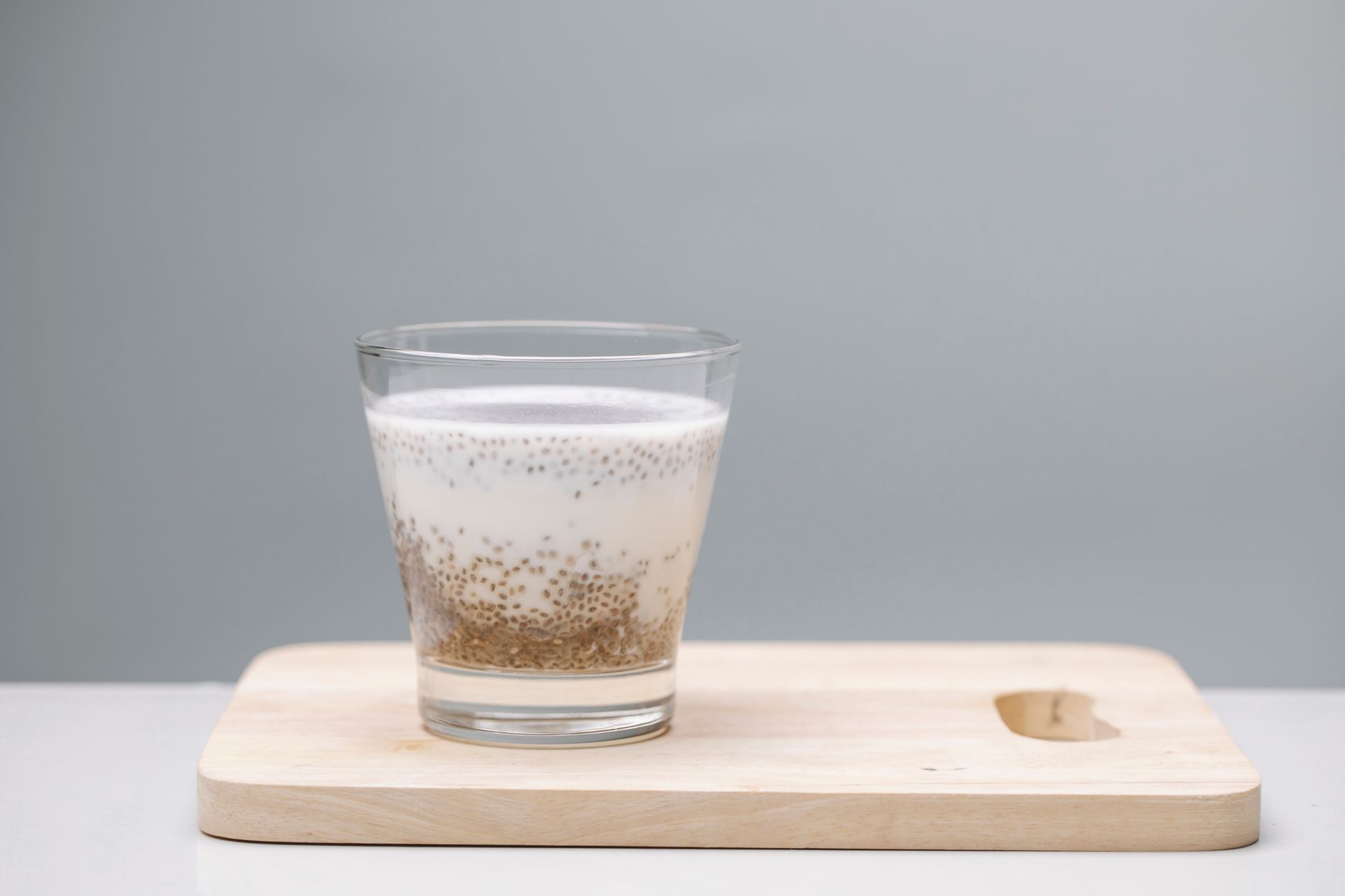
Chia seeds have become a popular addition to many diets due to their rich nutrient profile and versatility in cooking. Blending chia seeds can enhance their benefits and make them easier to incorporate into various recipes. This article delves into whether you can blend chia seeds and provides insight into their culinary uses, health benefits, serving ideas, and preparation tips.
Understanding how to best utilize chia seeds will not only elevate your meals but also allow you to enjoy all the nutritional benefits they offer, such as fiber, protein, omega-3 fatty acids, and various micronutrients. Let’s explore everything you need to know about blending chia seeds!
Can You Blend Chia Seeds?
Yes, you can blend chia seeds! Blending chia seeds allows for a finer texture, making them easier to incorporate into drinks, smoothies, soups, and baked goods. When blended, chia seeds release their nutrients more effectively, ensuring you get the most out of this powerful superfood.
What Are Chia Seeds?
Chia seeds are tiny, nutrient-dense seeds that come from the Salvia hispanica plant, which is native to Central America. These seeds are known for their exceptional nutrient content, including:
- Omega-3 fatty acids
- High fiber content
- Protein
- Calcium, magnesium, and phosphorus
- Antioxidants
Chia seeds are tiny black or white seeds that can absorb water and form a gel-like consistency, making them a popular ingredient in puddings, smoothies, and baked goods.
Benefits of Blending Chia Seeds
Blending chia seeds comes with several benefits that can enhance your overall culinary experience and health, including:
- Improved Texture: Blending chia seeds creates a smoother texture, making them more palatable for those who may not enjoy the crunch of whole seeds.
- Enhanced Nutrient Absorption: Blending can help release the nutrients locked within the seeds, allowing for better absorption of omega-3 fatty acids and other vitamins.
- Versatile Uses: Blended chia can be seamlessly incorporated into a variety of dishes, from smoothies and soups to sauces and baked goods.
- Thickening Agent: Ground chia seeds can be used as a natural thickener for soups, sauces, or gravies.
- Easy Digestion: Blended chia seeds are easier on the digestive system compared to whole seeds, especially if consumed in large quantities.
How to Blend Chia Seeds
Blending chia seeds is an easy process that requires minimal equipment. Here is a step-by-step guide:
- Choose Your Equipment: A high-speed blender or a powerful food processor is ideal for blending chia seeds. A spice grinder can also work effectively.
- Measure Your Seeds: Determine how much chia seed you want to blend. Typically, 1 to 2 tablespoons is sufficient for most uses.
- Add to Blender: Place the seeds in your blender or food processor.
- Blend: Blend on high speed for about 30 seconds to 1 minute until you achieve a fine, powdery texture.
- Store Appropriately: If you have leftover blended chia seeds, store them in an airtight container in a cool, dark place or refrigerate them for up to a month.
Serving Ideas with Blended Chia Seeds
Blended chia seeds can enhance a variety of dishes, allowing you to reap their benefits while enjoying different flavors and textures. Here are some practical serving ideas:
Smoothies
Incorporate blended chia seeds into your morning smoothies for added thickness and nutrition. They can provide a creamy texture while boosting protein and Omega-3 content:
- Berry Chia Smoothie: Blend frozen mixed berries, banana, yogurt, and a tablespoon of blended chia seeds for a delicious and nutritious breakfast.
- Green Chia Smoothie: Blend spinach, banana, almond milk, and a scoop of blended chia seeds for a refreshing green drink.
Chia Pudding
Make a quick chia pudding by blending chia seeds with almond milk or coconut milk and a sweetener of your choice. Let it sit for a few hours or overnight to thicken:
- Coconut Chia Pudding: Blend 2 tablespoons of chia seeds with 1 cup of coconut milk and 1 tablespoon of honey or maple syrup. Let it sit overnight in the fridge.
Baked Goods
Adding blended chia seeds to your baking repertoire has numerous benefits. They can be used as a binding agent or to enhance the nutritional profile of muffins, pancakes, and bread:
- Pancakes: Add a tablespoon of blended chia seeds to your pancake batter for added texture and nutrition.
- Cookies: Mix in blended chia seeds to cookie dough for an added crunch and healthy twist.
Soups and Sauces
Blended chia seeds can serve as a thickening agent in soups and sauces. Here’s how you can use them:
- Vegetable Soup: Blend chia seeds into your vegetable soup base to enhance the texture and nutritional value.
- Homemade Marinara Sauce: Add blended chia seeds to your marinara sauce to increase fiber and reduce calories.
Sprinkled on Salads and Yogurt
Consider sprinkling blended chia seeds on salads or mixing them into yogurt for an extra nutrient boost:
- Salad: Toss blended chia into a fresh salad for added texture and nutrition.
- Yogurt Parfait: Layer blended chia seeds in a yogurt parfait with fruits and granola.
Common Mistakes to Avoid When Blending Chia Seeds
To ensure you make the most of your blended chia seeds, avoid the following common mistakes:
- Not Blending Enough: Ensure you blend the seeds well enough to achieve a fine powder. Inadequate blending can result in larger particles that may not mix well with other ingredients.
- Using Old Seeds: Make sure your chia seeds are fresh. Old seeds may not blend well or may have diminished nutrient content.
- Overusing Chia Seeds: While chia seeds have many health benefits, moderation is key. Too much can lead to digestive discomfort.
Storage of Blended Chia Seeds
Proper storage is essential to maintain the quality and longevity of your blended chia seeds:
- Airtight Container: Store blended chia seeds in an airtight container to keep moisture out.
- Cool and Dark Place: Keep your container in a cool, dark place, away from sunlight and heat.
- Refrigeration: For longer shelf life, consider refrigerating blended chia seeds, which can help preserve their nutrients and prevent rancidity.
Chia Seed Substitutions
If you find yourself out of chia seeds or prefer alternatives, consider the following replacement options:
- Flaxseeds: Ground flaxseeds can be used in similar quantities as chia seeds for smoothies and baking. However, they may not provide the same gelling properties.
- Psyllium Husk: This is a great binding agent and can be used in baking; however, it may affect the texture differently than chia.
- Sunflower Seeds: Ground sunflower seeds can add a nutty flavor but won’t provide the same thickness as blended chia.
Health Considerations
While chia seeds are generally safe for most individuals, there are a few health considerations to keep in mind:
- Hydration: Chia seeds absorb water, so it’s essential to stay hydrated when consuming them.
- Digestive Issues: Some people may experience digestive discomfort if they consume too many chia seeds at once, especially if they are not adequately hydrated.
- Allergy Risks: Though rare, some individuals may have allergies to chia seeds. If you experience any adverse effects, discontinue use and consult a healthcare professional.
Conclusion
Blending chia seeds is an excellent way to enhance their versatility in the kitchen, making it simple to incorporate their health benefits into your daily meals. Whether you’re adding them to smoothies, baked goods, or even savory dishes, blended chia seeds can elevate your culinary creations. Remember to experiment with different recipes to find what suits your taste preferences and enjoy the nutritional boost they provide!
For more information about chia seeds and their health benefits, check out what are the benefits of chia seeds and learn how to best prepare them with how long chia seeds should soak.