
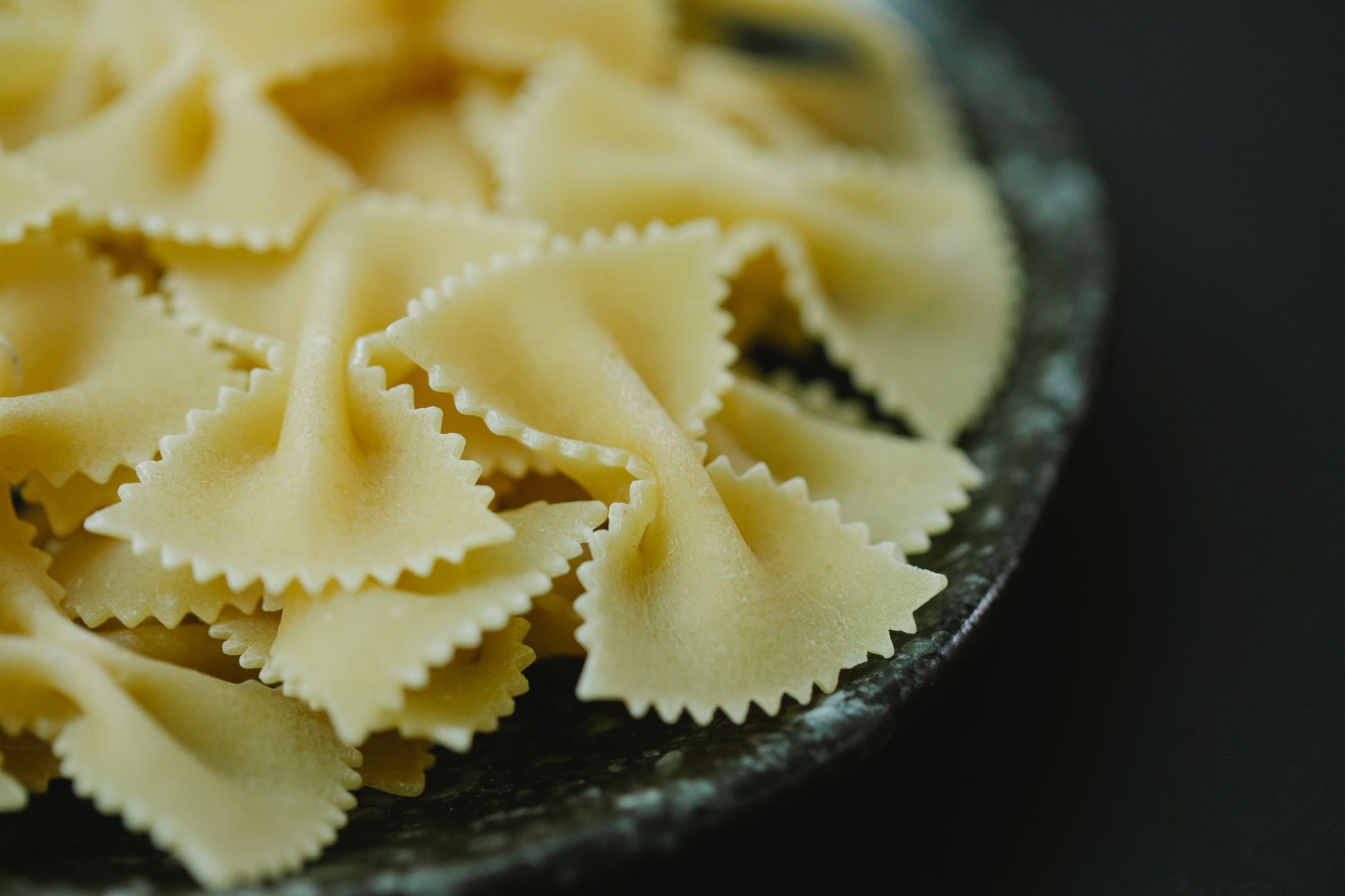
Bowtie pasta, known for its unique shape resembling butterflies, makes an attractive addition to many dishes. Its texture holds sauces well, creating a delightful balance in each bite. Understanding how to cook bowtie pasta is essential for achieving the perfect al dente texture, suitable for salads, casseroles, or hearty main dishes.
This guide provides all the details you need to cook bowtie pasta perfectly, focusing on timing and temperature. We’ll cover the cooking process, variations, and common pitfalls to ensure your pasta dishes always impress.
How Long to Cook Bowtie Pasta?
To cook bowtie pasta, you’ll generally need to boil it for 10 to 12 minutes. This timing can vary based on the specific type and brand of pasta, so always refer to the package instructions for the best results. Bowtie pasta should be al dente, offering a slight firmness when bitten.
Understanding Bowtie Pasta
Bowtie pasta, or farfalle, is a type of pasta that originated in northern Italy. Its name comes from the Italian word for “butterfly,” referring to its distinctive shape. It is versatile and can be used in various dishes, including salads, casseroles, and creamy sauces.
The pasta’s ridges help hold onto sauces better than smooth pasta types, enhancing flavor in each bite. Additionally, bowtie pasta pairs well with both light and heavy sauces, thus making it a favorite for many home cooks and chefs alike.
Ingredients Required for Cooking Bowtie Pasta
To cook bowtie pasta successfully, you only need a few basic ingredients:
- Bowtie pasta (typically 8-12 ounces for a standard serving)
- Water (enough to fill a large pot)
- Salt (1-2 tablespoons)
Essential Equipment for Cooking Bowtie Pasta
Having the right equipment makes all the difference in cooking pasta perfectly:
- A large pot
- A colander for draining
- A wooden spoon or pasta fork for stirring
- A measuring cup for measuring water and pasta
- A kitchen timer for precise cooking
Step-by-Step Guide to Cooking Bowtie Pasta
The following method outlines how to cook bowtie pasta effectively:
- Start by bringing a large pot of water to a rolling boil. Use about 4 to 6 quarts of water for every 1 pound of pasta.
- Add salt to the boiling water, using 1-2 tablespoons for flavor. This step enhances the overall taste of the pasta.
- Once the water is boiling vigorously, add the bowtie pasta. Stir immediately with a wooden spoon to prevent sticking.
- Cook the pasta for 10 to 12 minutes. For al dente, aim for 10 minutes, checking for firmness before draining.
- When the pasta reaches your desired doneness, remove the pot from the heat. Carefully pour the pasta into a colander to drain.
- If not serving immediately, rinse with cold water to stop the cooking process and prevent sticking.
Cooking Time Variations
The cooking time can vary based on several factors:
Fresh vs. Dried Bowtie Pasta
Fresh bowtie pasta typically cooks faster than dried pasta. You may only need to boil fresh pasta for about 2 to 4 minutes, so be sure to watch it closely.
Whole Wheat vs. Gluten-Free Bowtie Pasta
Whole wheat bowtie pasta may require slightly more time, often around 11-13 minutes. Gluten-free versions can differ significantly by brand, so always check the package instructions for best practices.
Common Mistakes When Cooking Bowtie Pasta
Even experienced cooks can make mistakes when preparing pasta. Here are some common pitfalls to avoid:
- Nepotism of pasta in water: Add the pasta all at once and stir immediately to prevent clumping.
- Not salting the water: A common error that can lead to bland pasta. Salt enhances flavor, so never skip this step.
- Overcooking: Always set a timer and taste the pasta as it approaches the lower end of the suggested cooking time.
- Not reserving pasta water: Save a cup of the starchy pasta water before draining, as it can help thicken and enrich sauces.
Serving Suggestions for Bowtie Pasta
Once the bowtie pasta is cooked, consider these serving ideas:
Bowtie Pasta Salad
Toss cooked and cooled pasta with fresh vegetables, olives, mozzarella, and your choice of dressing for a refreshing pasta salad.
Creamy Bowtie Pasta with Chicken
Combine cooked pasta with sautéed chicken, garlic, spinach, and a cream sauce for a hearty meal.
Bowtie Pasta Primavera
Stir-fry seasonal vegetables and toss them with the pasta, olive oil, and parmesan for a light and colorful dish.
Make-Ahead Tips
If you want to prepare your meal in advance, follow these guidelines:
- Cook the bowtie pasta as directed but undercook it by 1-2 minutes. This ensures it won’t become mushy when reheated.
- Toss the cooked pasta with a little olive oil to prevent sticking before storing in an airtight container in the refrigerator for up to 3 days.
- To reheat, add a splash of water and heat in a skillet over medium heat or microwave with a damp paper towel.
Storing Bowtie Pasta
Proper storage is key to keeping your bowtie pasta fresh and tasty.
Cooked Pasta Storage
Cooked bowtie pasta can be stored in the refrigerator for up to 3-5 days. Place it in an airtight container to maintain moisture and freshness.
Uncooked Pasta Storage
Uncooked dried bowtie pasta should be kept in a cool, dry place in its original packaging or an airtight container, where it can last for up to 2 years.
How to Reheat Bowtie Pasta
Reheating bowtie pasta requires care to maintain texture.
- Add a splash of water when reheating in the microwave or skillet to create steam and prevent drying out.
- Stir frequently and adjust the heat to avoid overcooking.
- Consider adding a little olive oil or butter to enhance flavor as it reheats.
Common Variations and Substitutions
Bowtie pasta can be made with different ingredients, allowing for various dietary preferences:
Whole Wheat Bowtie Pasta
This is a healthier alternative that adds fiber while maintaining the beloved bowtie shape. It may require slightly longer cooking time.
Gluten-Free Bowtie Pasta
For those with gluten intolerance, gluten-free versions made from rice, corn, or quinoa offer a similar texture but might differ in cooking time. Check the package for specific instructions.
Homemade Bowtie Pasta
Making bowtie pasta from scratch involves mixing flour and eggs into a dough, rolling it out, and cutting it into the signature shape. Homemade pasta cooks in much less time, usually around 2-4 minutes.
Nutritional Considerations
Bowtie pasta is a carbohydrate-rich food that provides energy. However, consider pairing it with proteins, healthy fats, and vegetables to create a balanced meal.
Conclusion
Cooking bowtie pasta is a straightforward process that enhances many dishes. Whether in salads, creamy sauces, or standalone meals, understanding the cooking time, methods, and serving suggestions transforms your dining experience. For flavorful and nutritious meals, mastering how to cook this charming pasta is essential. Start experimenting today, and discover the versatility of bowtie pasta!
If you’re looking for more delicious ideas, check out our recipes for Pasta and Peas and Orecchiette Pasta for inspiration.