
Mexican rice, often referred to as Spanish rice, is a vibrant and flavorful staple found in numerous Mexican dishes. This side dish’s distinct taste and appealing texture can elevate any meal, making it a beloved accompaniment for tacos, burritos, and more. Understanding the key ingredients, preparation methods, and flavor profiles will enhance your cooking experience and help you create this delightful dish at home.
In this article, we will explore what is in Mexican rice, the essential components that define its flavor and texture, kitchen uses, and tips for making delicious variations. Whether you are new to cooking or an experienced chef, you will find valuable insights to help you master this classic dish.
What Is in Mexican Rice?
Mexican rice typically consists of a few core ingredients that contribute to its unique taste and texture. The base of the dish is long-grain rice, which gets sautéed before cooking, adding a distinct nuttiness. Other essential ingredients include tomatoes, onions, garlic, and sometimes bell peppers or other vegetables.
To finish it off, seasonings such as cumin, chili powder, and sometimes bay leaves or fresh herbs are commonly used. Depending on personal preference and regional variations, variations of Mexican rice may include broth or additional spices to enhance its flavor profile.
Ingredients in Mexican Rice
Let’s break down the primary ingredients in Mexican rice:
- Long-grain rice: This is the foundational ingredient. It is often rinsed to remove excess starch, resulting in fluffy grains once cooked.
- Tomatoes: Fresh or canned tomatoes are typically puréed or diced and added to the rice for a rich flavor and color.
- Onions: Sautéed onions contribute sweetness and depth to the dish.
- Garlic: Fresh minced garlic adds aromatic complexity and enhances the overall flavor profile.
- Vegetable oil: Used for sautéing the rice and vegetables, adding richness to the dish. Olive oil or canola oil are commonly chosen.
- Broth: Chicken or vegetable broth is often used in place of water, giving the rice additional flavor. Some recipes may call for water alone.
- Seasonings: Common spices include cumin, chili powder, and salt. Fresh herbs like cilantro can also be added for garnish and brightness.
Flavor and Texture Profile
The flavor of Mexican rice is a delightful balance of savory, slightly tangy, and aromatic notes. The sautéed onions and garlic provide a warm depth, while the tomatoes lend a fresh acidity. The rice’s texture is fluffy and separate, allowing it to absorb flavors well.
When cooked properly, the grains are tender yet slightly firm, avoiding a mushy consistency. This dish is often characterized by its bright orange or reddish hue, typically derived from tomatoes or spices such as paprika.
Cooking Mexican Rice
Cooking Mexican rice is a straightforward process that involves sautéing, simmering, and allowing the rice to absorb all the delicious flavors. Here’s a simple method to prepare Mexican rice:
Essential Equipment
- Large skillet or saucepan with a lid
- Wooden spoon for stirring
- Measuring cups and spoons
Step-by-Step Method
- Rinse the Rice: Begin by rinsing 1 cup of long-grain rice under cold water until the water runs clear. This removes excess starch, which can cause the rice to become gummy.
- Toast the Rice: In a large skillet, heat 2 tablespoons of vegetable oil over medium heat. Once hot, add the rinsed rice and toast it for about 3 to 4 minutes until it turns golden brown. Stir frequently to prevent burning.
- Sauté Vegetables: Add 1 medium diced onion and 2 cloves of minced garlic to the toasted rice. Sauté for an additional 2 to 3 minutes until the onion is translucent.
- Add Tomatoes: Stir in 1 cup of puréed tomatoes (or canned diced tomatoes) along with 1 teaspoon of cumin, 1 teaspoon of chili powder, and 1 teaspoon of salt.
- Add Broth: Pour in 2 cups of chicken or vegetable broth. Stir well to combine all ingredients.
- Simmer: Raise the heat to bring the mixture to a boil. Once boiling, reduce the heat to low, cover the skillet, and let it simmer for about 18 to 20 minutes, or until the rice is tender and has absorbed the liquid.
- Fluff and Serve: After simmering, remove the skillet from the heat. Let it sit covered for an additional 5 minutes. Then, using a fork, fluff the rice and serve it warm.
Common Mistakes and Troubleshooting
While Mexican rice is easy to prepare, common mistakes can lead to unsatisfactory results. Here are some troubleshooting tips:
- Mushy Rice: This may happen if too much water is added or if the rice is overcooked. Always measure your liquid accurately and follow simmering guidelines closely.
- Uneven Cooking: Ensuring even heat distribution is crucial. Stir the rice occasionally to prevent clumping and achieve a consistent texture.
- Flavorless Rice: Insufficient seasoning or using water instead of broth can lead to bland rice. Broth and spices are key for a vibrant flavor.
Variations of Mexican Rice
Mexican rice is versatile and can be adapted to suit different tastes and dietary needs. Here are a few popular variations:
- Vegetable Mexican Rice: Include additional veggies like peas, carrots, or bell peppers for added nutrition and color. Stir them in after sautéing the onions and garlic.
- Saffron or Turmeric Rice: For a fragrant twist, add a pinch of saffron or turmeric to the broth before cooking. This enhances the color and aroma.
- Spicy Mexican Rice: Incorporate chopped jalapeños or a dash of hot sauce if you prefer a heat-packed kick.
- Cilantro Lime Rice: After cooking, stir in fresh chopped cilantro and a squeeze of lime juice for a zesty flavor.
Kitchen Uses for Mexican Rice
Mexican rice pairs beautifully with various dishes and can be used in multiple ways in your meals:
- Side Dish: Serve it alongside tacos, enchiladas, or grilled meats to enhance the overall meal.
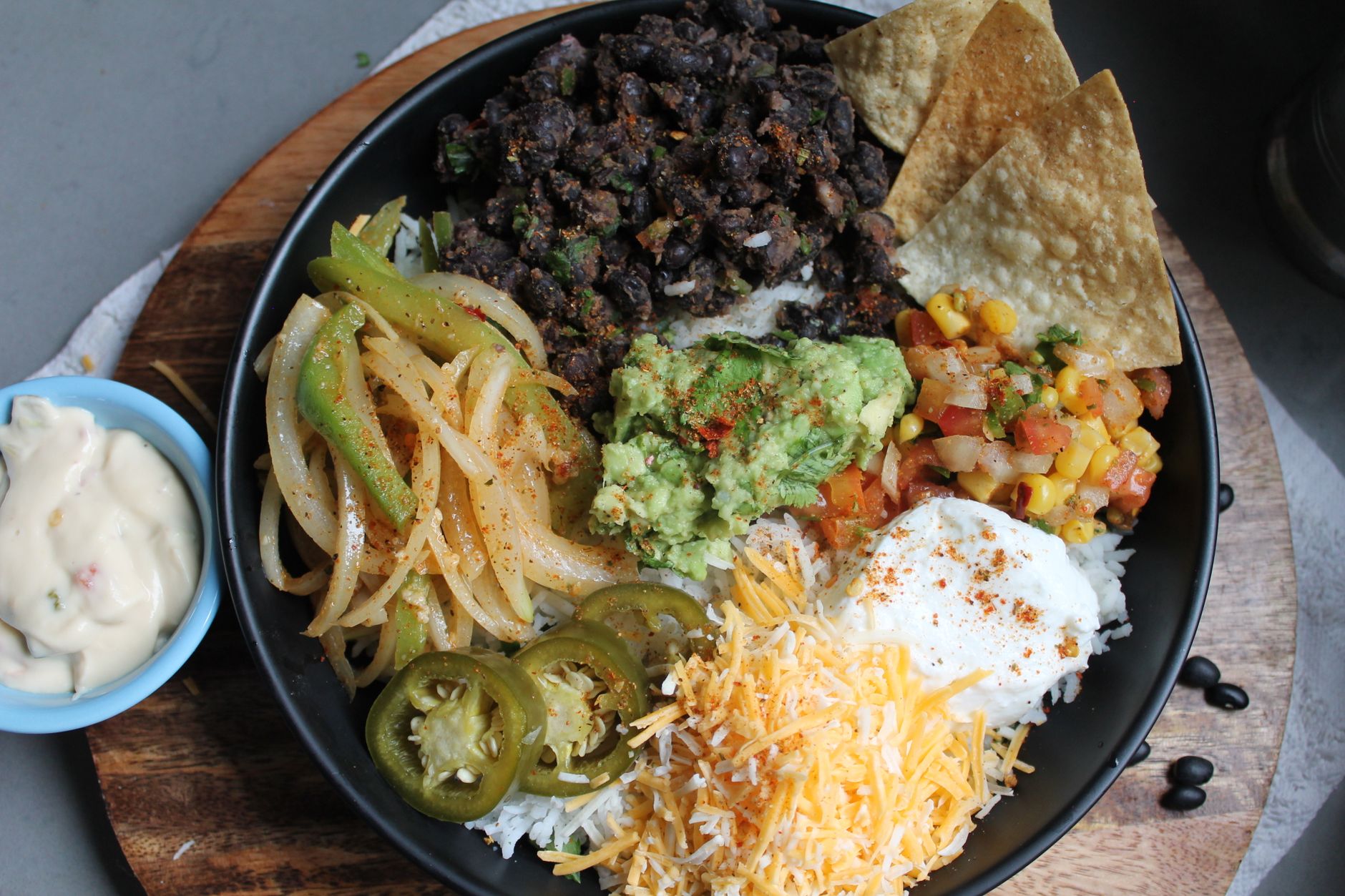
- Bowl Meals: Create a base for burrito bowls or grain bowls by adding proteins like chicken, beef, or beans with toppings like guacamole and salsa.
- Stuffed Peppers: Fill bell peppers with a mixture of Mexican rice, beans, and cheese for a delicious bake.
- Fried Rice:** Transform leftover Mexican rice into a quick fried rice dish by sautéing it with vegetables and eggs for a complete meal.
Storage and Reheating Guidance
Storing Mexican rice correctly will keep it fresher for longer. Here are some important storage and reheating tips:
- Storage: Cool the rice to room temperature before transferring it to an airtight container. It can be stored in the refrigerator for up to 4 days or frozen for up to 6 months.
- Reheating: To reheat, microwave individual portions for 1 to 2 minutes until hot. For larger amounts, use a saucepan over low heat with a splash of broth to prevent sticking.
Final Thoughts
Mexican rice is a delightful dish that can easily complement various meals. By understanding the different ingredients and preparation techniques, you can make this dish a staple in your kitchen. Flavorful, adaptable, and simple to prepare, Mexican rice deserves a regular spot on your dinner table.
Next time you’re looking to whip up a quick, flavorful side, try making Mexican rice from scratch. You can also explore related recipes like the Puerto Rican rice recipe at this [link](https://mamassecretrecipes.com/puerto-rican-rice-recipe/) or learn how many cups of water for one cup of rice at [this guide](https://mamassecretrecipes.com/how-many-cups-of-water-for-1-cup-of-rice/).