
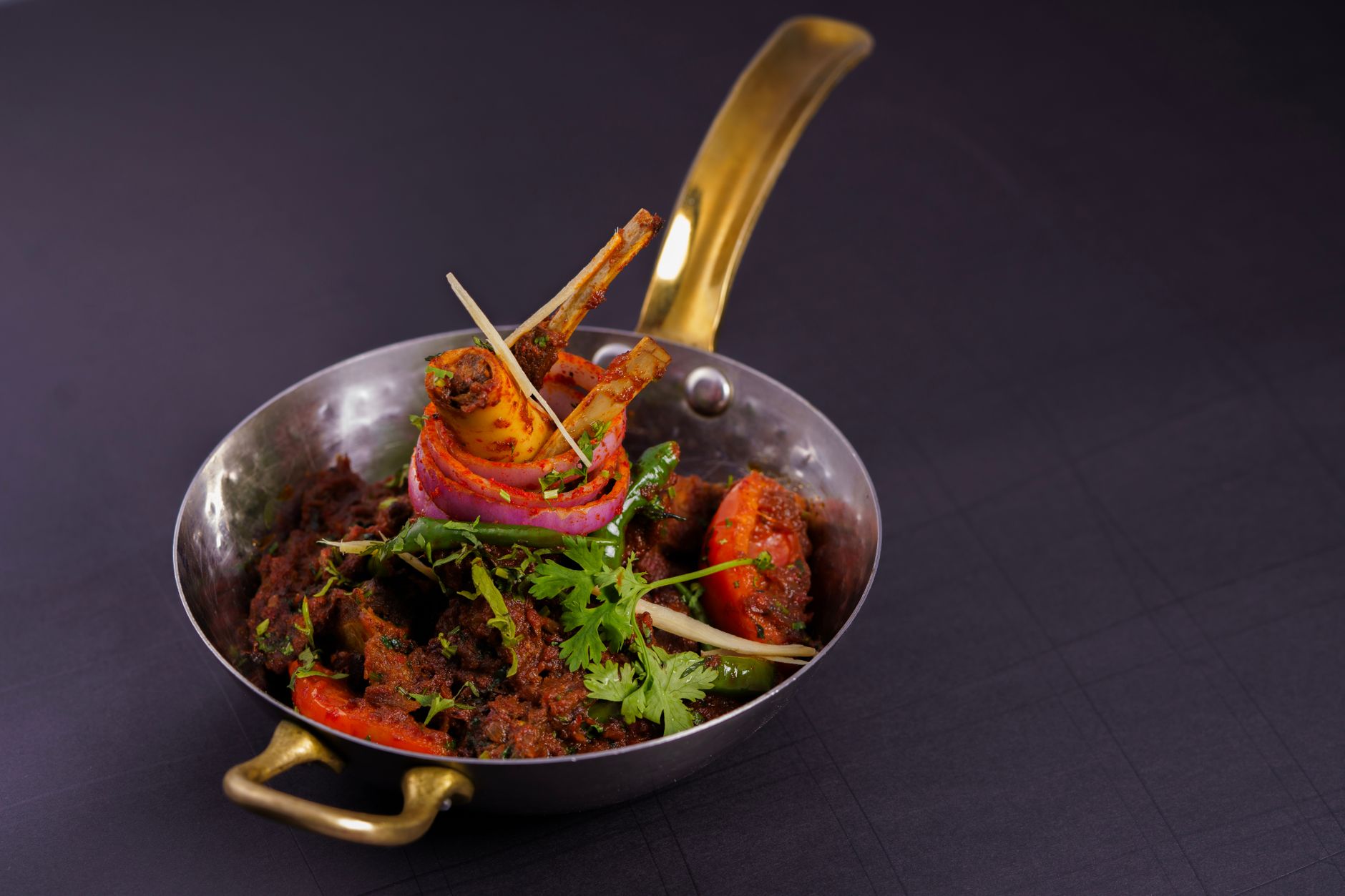
Mutton and goat are both popular sources of meat in many cuisines around the world, yet there remains confusion about the terms and their differences. Understanding whether mutton refers to goat or another type of meat is essential for culinary exploration and choice. This article delves into what mutton is, its uses, and how it compares to goat meat.
By the end, you’ll be equipped with knowledge on the flavors, cooking techniques, and serving suggestions for both mutton and goat. Whether you’re planning a rustic dinner or simply curious about the meats on your plate, this guide will provide you with the clarity you need.
Is Mutton Goat?
To directly answer the question: no, mutton is not goat. Mutton specifically refers to the meat of mature sheep, while goat meat is simply called “goat.” Though both meats are red and can share similar cooking methods, they have distinct flavors and textures that set them apart.
What is Mutton?
Mutton comes from sheep that are over one year old, which gives it a robust flavor and a tender texture. The meat is usually darker than lamb, which is from younger sheep, and may have a stronger, gamey taste. Mutton is often favored in dishes where its flavor can shine, such as curries, stews, and braises.
Flavor Profile
The flavor of mutton is richer and more intense compared to lamb, making it a preferred choice in various cuisines around the world. The fat content in mutton also contributes to its unique taste, providing a mouthfeel that complements hearty dishes.
Culinary Uses
- Curries: Mutton is a staple in Indian and Middle Eastern curries, where its flavor absorbs a variety of spices.
- Stews: Mutton can be used in slow-cooked stews that benefit from its robust character.
- Grilling: Older cuts of mutton can also be marinated and grilled for added depth of flavor.
- Roasting: Legs and shoulders of mutton make for a luxurious roast, often served during special occasions.
What is Goat Meat?
Goat meat is simply the flesh of goats, raised for food. It is leaner than both mutton and lamb, often considered to have a slightly sweeter taste. Goat meat has become increasingly popular globally, especially in Caribbean and South Asian cuisines, where it plays a vital role in traditional recipes.
Flavor Profile
Goat has a relatively milder flavor compared to mutton. Its sweetness and tenderness can be attributed to its lower fat content, making it a popular choice in health-conscious diets.
Culinary Uses
- Curries: Similar to mutton, goat is also prevalent in curries but often requires shorter cooking times due to its lean nature.
- Barbecues: Goat is often slow-cooked or barbecued, rendering it tender while keeping its natural flavors intact.
- Stews: Goat stew is a comforting dish in many cultures, flavored with herbs and spices.
- Soups: Goat meat is commonly used in soups, providing a lean protein source.
Cooking Techniques: Mutton vs. Goat
Both mutton and goat can be prepared using similar cooking techniques, but some variations exist due to their distinct characteristics. Understanding these nuances will help you achieve the best flavors and textures for each type of meat.
Best Cooking Methods for Mutton
- Slow Cooking: Mutton benefits greatly from slow cooking methods that allow the flavors to develop fully and the meat to tenderize.
- Braised: Braising mutton with a variety of vegetables and spices can create a deeply flavored dish.
- Roasting: A whole mutton leg or shoulder can be roasted with herbs and spices for a celebratory meal.
- Grilling: Marinated mutton chops can be grilled for smoky flavor and charred crust.
Best Cooking Methods for Goat
- Fast Cooking: Goat can often handle faster cooking methods like stir-frying or sautéing, especially with tender cuts.
- Curry: Goat performs excellently in curries, absorbing spices quickly due to its smaller size and surface area.
- Slow Cooked: Like mutton, tougher cuts of goat could benefit from slow braising to achieve tenderness.
- Barbecuing: Goat meat is often marinated and barbecued for additional flavor and juicy texture.
Serving Ideas for Mutton and Goat
Both mutton and goat can be served in a variety of ways to highlight their flavors. Here are some ideas for presenting these meats in delicious combinations.
Serving Mutton
- With Mint Sauce: Fresh mint sauce or chutney pairs beautifully with roasted mutton.
- On Rice: Serve mutton curry over basmati rice for a traditional meal.
- With Bread: Flatbreads like naan or roti complement mutton dishes perfectly.
- With Vegetables: Roasted or sautéed seasonal vegetables can balance the richness of mutton.
Serving Goat
- With Rice: Goat curry is perfect when served with rice or pilaf.
- In Tacos: Shredded goat meat can be used in tacos with fresh toppings.
- With Spices: Pair goat with spicy pickles or sauces for a flavor boost.
- In Stews: Goat meat stew is hearty and can be served with fresh-baked bread.
Health Benefits: Mutton vs. Goat
Both mutton and goat have their unique nutritional profiles, which can make them advantageous choices depending on dietary needs. Below is a general overview of health benefits associated with each type of meat.
Mutton Benefits
- High in Protein: Mutton is a rich source of protein, necessary for muscle growth and repair.
- Iron Source: It contains substantial iron, aiding in the production of red blood cells.
- Vitamins and Minerals: Mutton is also a good source of B vitamins, zinc, and selenium.
Goat Benefits
- Lower in Fat: Goat meat is typically lower in fat and cholesterol compared to mutton, making it a healthier red meat option.
- Rich in Nutrients: Goat is also a great source of protein, zinc, and vitamin B6.
- Good for Heart Health: Its lean nature makes it suitable for heart-healthy diets.
Common Mistakes When Cooking Mutton and Goat
Understanding some common pitfalls can help you cook mutton and goat more effectively. Here are a few mistakes to avoid.
Mutton Cooking Mistakes
- Not Tenderizing: Mutton benefits from marination, which can help tenderize and infuse flavor.
- Overcooking: Slow-cooking is essential, but overcooking can dry out the meat. Monitor closely.
- Ignoring Cuts: Knowing which cuts are more tender can help in selecting the appropriate cooking method.
Goat Cooking Mistakes
- Cooking Too Fast: Many cuts of goat require slower cooking to become tender; rushing the process can result in toughness.
- Using Tough Cuts: Opt for cuts suited for the dish you’re making to achieve the desired tenderness and flavor.
- Failing to Season: Goat can benefit from strong flavors, so avoid under-seasoning your dishes.
Storage Tips for Mutton and Goat
Proper storage methods for both mutton and goat can help maintain their freshness and flavor. Here’s how to store each type of meat safely.
Storing Mutton
- Refrigeration: Fresh mutton can be stored in the refrigerator for 3 to 5 days. Always keep it wrapped in airtight containers or heavy-duty plastic wrap.
- Freezing: For longer storage, mutton can be frozen for up to six months. Seal in airtight bags and label them with the date.
- Defrosting: Always defrost mutton in the refrigerator to maintain safety and quality.
Storing Goat
- Refrigeration: Fresh goat meat should also be refrigerated and consumed within 3 to 5 days.
- Freezing: Goat meat can be frozen for about 3 to 6 months. Use vacuum-sealed bags for best results.
- Thawing: As with mutton, thaw goat meat in the refrigerator, never at room temperature.
Conclusion
Understanding the differences between mutton and goat can enhance your culinary experience and help you make informed choices in the kitchen. Both meats provide unique flavors and textures, making them versatile choices for numerous recipes. Knowing how to cook, serve, and store both mutton and goat can elevate your meals.
For those looking to explore mutton further, consider trying your hand at a delicious lamb ribs recipe or experimenting with a ground lamb recipe to perfect your cooking techniques. Whether you choose mutton or goat, enjoy the journey of flavors that each meat brings to your table.