
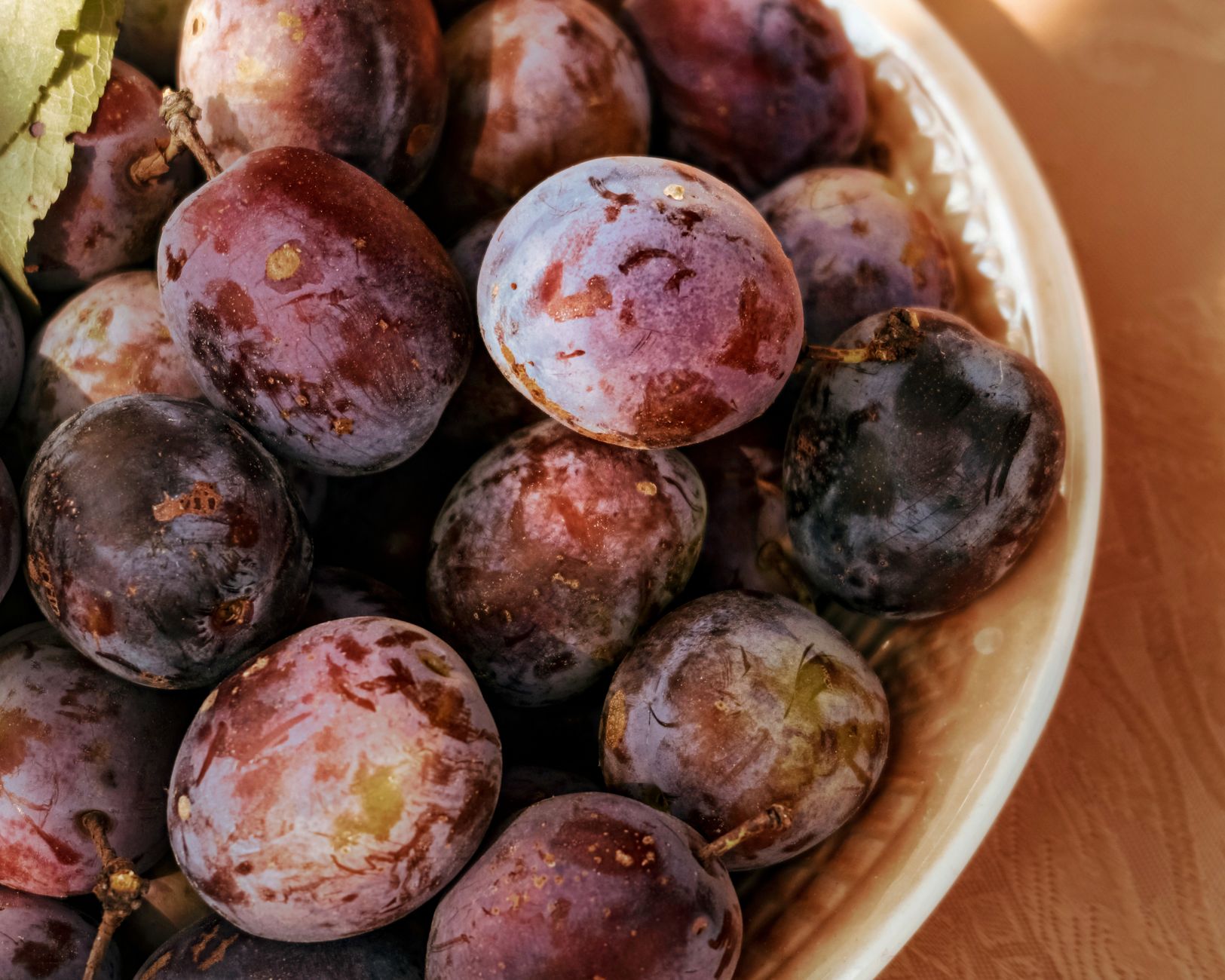
There is a common question asked by fruit enthusiasts and culinary novices alike: is a plum a fruit? The answer is a resounding yes! A plum is not only a fruit, but it belongs to the larger group of stone fruits, which are known for their juicy flesh and a single pit surrounded by the fruit’s flesh.
In this article, we will explore the world of plums, their nutritional benefits, various culinary uses, and tips for selection and storage. Whether you want to learn how to incorporate plums into your meals or simply understand more about this delicious fruit, you are in the right place.
Is a Plum a Fruit?
Yes, a plum is classified as a fruit. More precisely, it’s a drupe or stone fruit, characterized by a fleshy outer layer that surrounds a hard pit containing the seed. Plums belong to the genus Prunus, which includes cherries, peaches, and apricots. They come in various shapes, colors, and sizes, ranging from red to yellow to blue-purple.
Nutritional Profile of Plums
Plums are not just tasty; they’re also packed with nutrients. Here’s a breakdown of what makes them a great addition to your diet:
- Low in Calories: A medium-sized plum (about 66 grams) contains roughly 30 calories.
- Vitamins and Minerals: Plums are rich in vitamin C, vitamin K, and potassium, among other nutrients.
- Dietary Fiber: They provide a good amount of dietary fiber, promoting digestive health.
- Antioxidants: Plums have powerful antioxidants, including phenols, which may help reduce inflammation and lower the risk of chronic diseases.
Culinary Uses for Plums
Plums are incredibly versatile and can be used in a variety of dishes. Here are some popular ways to enjoy them:
Raw Consumption
The simplest way to enjoy a plum is to eat it raw. Just wash it thoroughly, slice it, and enjoy the sweet, juicy flesh. They make excellent snacks and can be added to fruit salads for a refreshing treat.
Baking
Plums can add moisture and flavor to baked goods. Here are a few ideas:
- Plum Crumble: Combine sliced plums with a crumble topping for a delicious dessert.
- Plum Muffins: Incorporate chopped plums into muffin batter for an extra burst of flavor.
- Plum Tart: Bake plums in a tart shell, glazed with a simple syrup for added shine.
Cooking
Plums can also be used in savory dishes:
- Plum Sauce: Cook plums down to make a sweet sauce that pairs well with roasted meats.
- Salads: Add sliced plums to salads for a sweet contrast with fresh greens and nuts.
Preserving
Plums can be transformed into jams, jellies, or preserves. The process generally involves:
- Preparation: Wash, pit, and chop the plums.
- Cooking: Combine plums with sugar and lemon juice and cook until thickened.
- Canning: Process the jars according to guidelines to ensure safe storage.
Drinks
Plums can also be used to make refreshing drinks:
- Juice: Blend plums with water and sweetener for a fresh juice.
- Cocktails: Incorporate plum puree into cocktails for added sweetness.
Selecting and Storing Plums
Choosing the right plums is integral to enjoying their full flavor. Here are some tips for selection and storage:
Selection Tips
- Look for Color: Good plums should have vibrant skin color without blemishes.
- Check Firmness: They should yield slightly to pressure but not be mushy.
- Aroma: Ripe plums will have a sweet, pleasant smell.
Storage Tips
Plums are best stored at room temperature until they ripen. Once they are ripe, you can refrigerate them to prolong freshness. Here are some additional storage guidelines:
- Ripening: Place unripe plums in a paper bag to speed up the ripening process.
- Storing: Store ripe plums in the refrigerator in a breathable container.
- Freezing: For long-term storage, wash, pit, and slice the plums before freezing.
Common Mistakes to Avoid with Plums
To help you navigate the world of plums, here are some common pitfalls and how to avoid them:
- Choosing Overripe Plums: Making sure plums are slightly firm when buying can help you avoid overly mushy fruits.
- Skipping the Wash: Always wash the plums before consuming to remove any pesticides or contaminants.
- Cooking Too Much: When using plums in cooked dishes, be careful not to overcook them, as they can become mushy and lose their flavor.
Gluten-Free Plum Recipes
For those on a gluten-free diet, plums can be the star of various vibrant recipes. Here’s a quick gluten-free recipe to try:
Gluten-Free Plum Crisp
This easy dessert showcases the natural sweetness of plums with a crispy topping. Perfect for a late summer treat.
Yield: 6 servings
Preparation Time: 15 minutes
Cooking Time: 30 minutes
Total Time: 45 minutes
Ingredients
- 5 cups plums, pitted and sliced
- 1 cup gluten-free oats
- 1/2 cup almond flour or gluten-free flour blend
- 1/2 cup brown sugar
- 1/2 tsp cinnamon
- 1/4 tsp salt
- 1/4 cup melted butter or coconut oil
- Optional: 1/4 cup chopped nuts
Essential Equipment
- Mixing bowl
- 9×9 inch baking dish
- Oven
Instructions
- Preheat your oven to 350°F (175°C).
- In a mixing bowl, combine sliced plums with brown sugar, and set aside for 10 minutes to let the juices release.
- In another bowl, mix oats, almond flour, brown sugar, cinnamon, and salt.
- Add melted butter (or coconut oil) to the dry mixture and stir until crumbly.
- Spread the plum mixture evenly in the bottom of the baking dish.
- Top with the crumbly oat topping and spread evenly.
- Bake in the oven for 25-30 minutes, or until the topping is golden brown and the plums are bubbly.
- Allow to cool before serving and enjoy!
Final Thoughts on Plums
Plums are a delightful fruit that offers both flavor and nutritional benefits. They can be enjoyed raw, cooked, or preserved and are easy to incorporate into both sweet and savory dishes. By learning how to choose, store, and prepare plums correctly, you can enjoy this seasonal treasure to its fullest.
Explore the versatility of plums by incorporating them into your meals—whether enhancing a salad, baking a crisp, or making a homemade condiment. Happy cooking!
If you’re interested in exploring more about fruits and their uses, check out our articles on seasonal fruit storage tips, healthy snack ideas, or a guide to making the best fruit salads.