
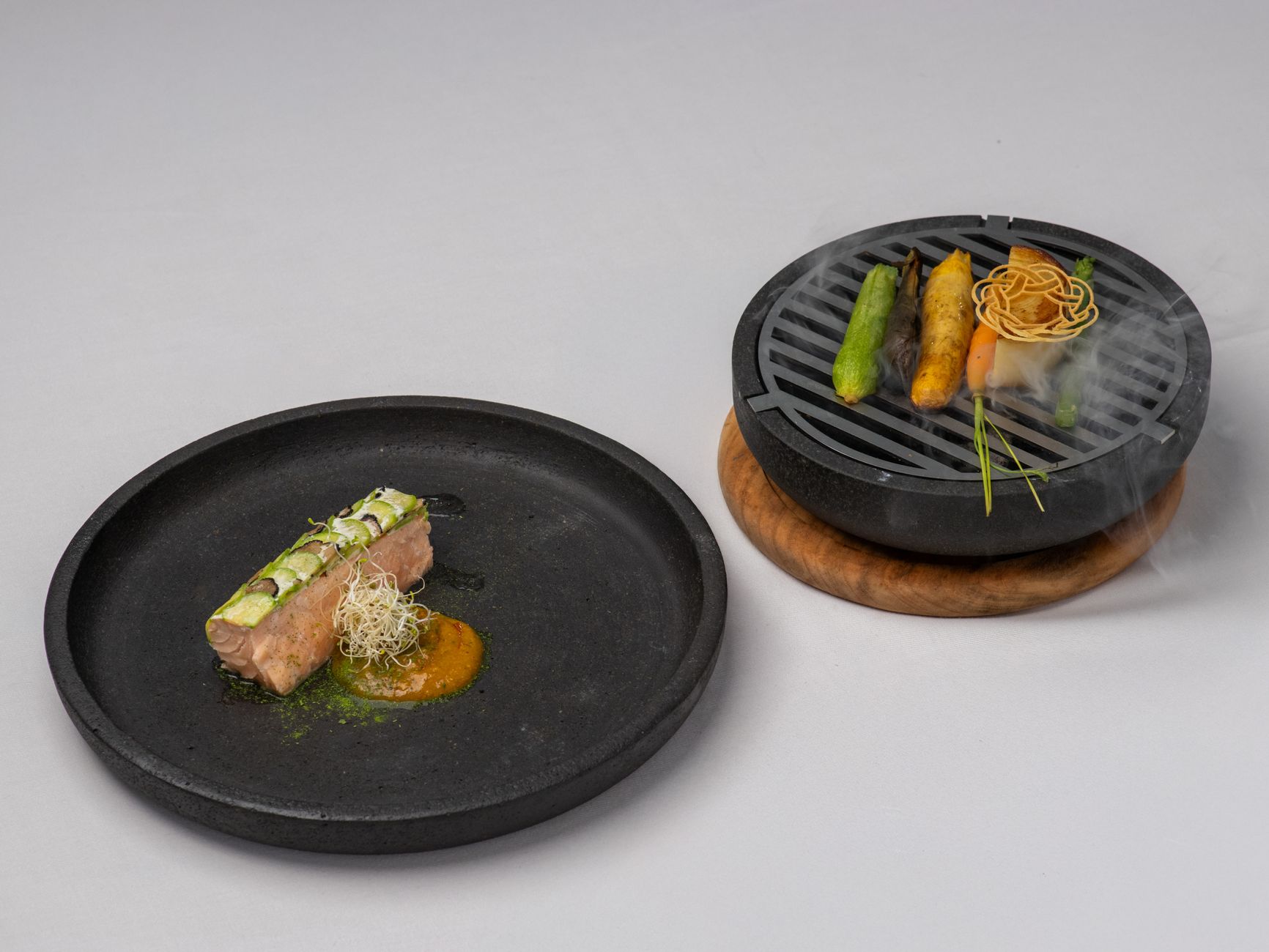
Smoked salmon is a beloved ingredient, often enjoyed on bagels, in salads, or as part of luxurious brunch spreads. However, its popularity raises an important question: Is smoked salmon safe to eat? This article will delve into the safety aspects of smoked salmon, including the different methods of smoking, storage practices, and preparation tips to ensure your culinary experience is both delicious and safe.
Whether you’re a fan of this delightful fish or considering trying it for the first time, understanding its safety can enhance your enjoyment. Let’s explore the nuances of smoked salmon and its place on your plate.
Is Smoked Salmon Safe to Eat?
Yes, smoked salmon is generally safe to eat when properly sourced, prepared, and stored. However, there are certain precautions to consider regarding its consumption, especially for vulnerable groups. The safety of smoked salmon is influenced by factors such as the smoking technique and how it has been processed.
Understanding Smoked Salmon
Smoked salmon comes in various forms, which can affect its taste, texture, and safety. The two main methods of smoking are cold smoking and hot smoking, and understanding these methods can shed light on safety questions.
Cold Smoking vs. Hot Smoking
- Cold Smoking: This method involves curing the salmon with salt and then smoking it at a temperature below 90°F (32°C). Cold-smoked salmon has a silky texture and a delicate flavor but is not cooked, which means it may contain harmful bacteria if not handled correctly.
- Hot Smoking: This method cooks the salmon by smoking it at higher temperatures, typically between 120°F to 180°F (49°C to 82°C). Hot-smoked salmon is fully cooked, making it safer to consume. It has a firmer texture and a more robust flavor compared to cold-smoked salmon.
Potential Health Risks
While smoked salmon can be a safe and tasty food choice, it’s essential to be aware of potential health risks associated with its consumption.
1. Bacterial Contamination
Both cold and hot smoking methods can lead to bacterial contamination if the process is not followed correctly. Cold-smoked salmon can harbor Listeria, which poses a higher risk for pregnant women, elderly individuals, and those with weakened immune systems. To mitigate this risk, look for brands that adhere to strict food safety guidelines.
2. Parasites
Salmon can be a host to parasites, especially if the fish is not frozen properly prior to smoking. Freezing at -4°F (-20°C) for seven days or flash-freezing at -31°F (-35°C) for 15 hours can kill parasites such as Anisakis. Always choose sushi-grade or previously frozen salmon to ensure safety.
3. Foodborne Illness Outbreaks
Foodborne illness outbreaks associated with smoked salmon can occur. Reputable brands will ensure their products are tested and follow regulatory guidelines. Always purchase smoked salmon from reliable sources with good sanitation practices.
Choosing Safe Smoked Salmon
To ensure you are consuming safe smoked salmon, follow these tips for choosing quality products.
1. Check Labels
When shopping for smoked salmon, pay attention to labels. Look for indications that the salmon is wild caught and check for freezing certification. Reputable producers will often indicate that the fish has been frozen to kill parasites.
2. Purchase from Reputable Sources
Buy smoked salmon from well-known brands or trusted specialty fish markets. Avoid purchasing from street vendors or unknown sources, as they may not follow proper food safety practices.
3. Freshness Matters
Freshness is key when it comes to seafood. Smoked salmon should have a pleasing aroma, firm texture, and vibrant color. If anything seems off, such as a sour smell or dull appearance, it’s best to err on the side of caution and avoid it.
Preparation and Serving Tips
How you handle smoked salmon in the kitchen can affect its safety. Here are essential preparation and serving tips.
1. Handle with Care
Always wash your hands before handling smoked salmon. Use clean utensils and surfaces to prevent cross-contamination with raw foods.
2. Proper Storage
Store smoked salmon in the refrigerator at 32°F to 39°F (0°C to 4°C) to maintain freshness. It should be consumed within a week once opened. For longer storage, consider freezing it, which can extend its shelf life for up to six months. Ensure it’s tightly wrapped to prevent freezer burn.
3. Avoid Temperature Abuse
Do not leave smoked salmon out at room temperature for more than two hours. If the ambient temperature exceeds 90°F (32°C), reduce this time to one hour.
4. Pairing Suggestions
Smoked salmon is versatile and can be enjoyed in various dishes. Here are a few serving suggestions:
- On toasted bagels with cream cheese, capers, and red onion.
- In salads, paired with arugula, lemon vinaigrette, and avocado.
- As a topping for crostini with dill and cucumber slices.
Special Considerations
Certain groups need to take extra precautions regarding smoked salmon consumption:
1. Pregnant Women
Pregnant women are often advised to avoid raw or undercooked seafood, including cold-smoked salmon, due to the risk of Listeria. Hot-smoked salmon is typically considered safe as it is cooked.
2. Immunocompromised Individuals
Those with weakened immune systems should avoid cold-smoked fish and raw seafood. It is crucial to consult healthcare professionals about dietary restrictions related to seafood consumption.
3. Young Children and Elderly People
Children under five and elderly individuals may be more vulnerable to foodborne illnesses. Serving cooked smoked salmon is a safer option for these groups.
How to Enjoy Smoked Salmon
Smoked salmon can be an elegant addition to your meals, adding depth and flavor. Here are a few practical ways to enjoy it:
1. Breakfast Ideas
- Smoked salmon and scrambled eggs on toast.
- Smoked salmon with avocado on a whole grain bagel.
- With a side of fresh fruit for a balanced breakfast.
2. Lunch Options
- In a whole wheat wrap with spinach, cucumber, and goat cheese.
- On a salad bed of mixed greens with a vinaigrette dressing.
- In pasta dishes tossed in a light cream or olive oil sauce.
3. Snack and Appetizer Ideas
- As part of a charcuterie board with cheese, olives, and crackers.
- On blinis with crème fraiche and dill.
- With pickles and mustard for a simple platter.
Conclusion
In summary, smoked salmon can be a safe and delightful addition to your meals when it is properly sourced, prepped, and stored. Cold-smoked salmon carries specific risks, particularly for certain populations, so always be informed about what you’re consuming. By following food safety guidelines, you can enjoy this delicacy with peace of mind.
For more culinary tips and knowledge, explore our guides on how long to cook turkey per pound, or dive into the details of whether smoked salmon is raw. With proper understanding, you can enhance not just safety but also your overall dining experience.