
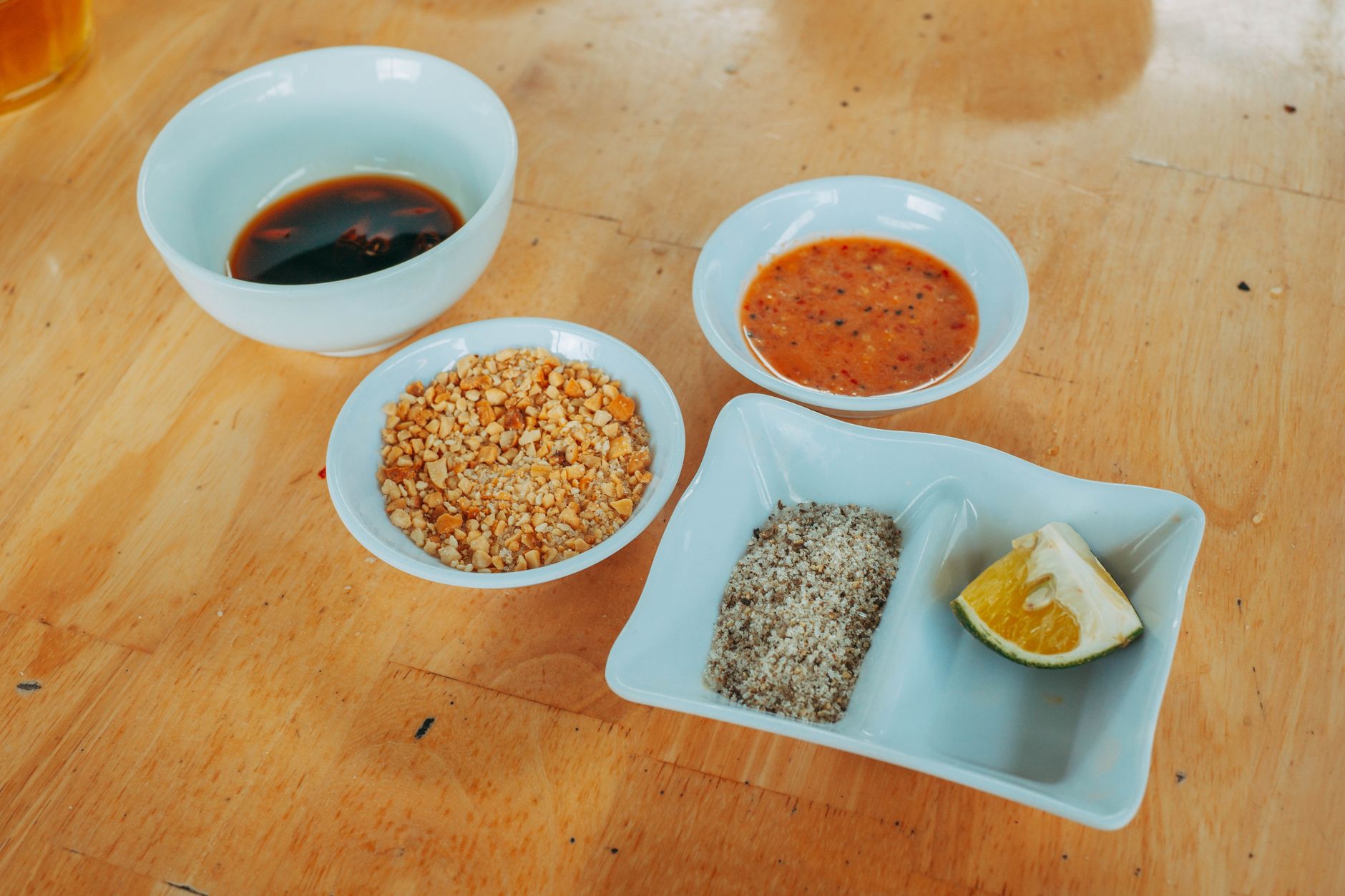
Thickening sauces is a fundamental skill in cooking that enhances texture and flavor. Whether you’re preparing a rich gravy, a coating sauce, or a delicate cream sauce, understanding what ingredients effectively thicken sauces can elevate your culinary creations. This guide explores various methods, ingredients, and tips to achieve the desired sauce consistency.
From classic flour and cornstarch to unique options like pureed vegetables, there are many ways to thicken sauces. Learn how to select and use these agents effectively, along with practical applications and serving ideas for a variety of sauces.
What Thickens Sauce?
Several ingredients and techniques can thicken sauce, including starches, proteins, and emulsifiers. Common thickeners include flour, cornstarch, and arrowroot, but pureed vegetables and reductions can also achieve a creamy or viscous texture. Each has its applications and characteristics, which can greatly influence the final dish.
Common Thickeners for Sauces
Here, we’ll explore some of the most common thickeners used in sauces, their properties, and when to use them.
Flour
One of the most traditional thickeners, flour is often used in roux-based sauces such as béchamel or gravy. Flour must be cooked to eliminate its raw flavor.
- Use: Combine equal parts flour and fat (butter, oil) to make a roux; cook until lightly colored.
- Ratio: Typically, 1 tablespoon of flour thickens about 1 cup of liquid.
- Flavor: Offers a mild taste, making it versatile.
- Common Mistake: Adding flour directly to the sauce can lead to lumps. Always create a slurry or roux first.
Cornstarch
Cornstarch is a gluten-free alternative to flour and has the advantage of thickening without altering the flavor significantly.
- Use: Mix cornstarch with cold liquid to create a slurry before adding it to a hot sauce.
- Ratio: About 1 tablespoon of cornstarch for every cup of liquid.
- Flavor: Neutral, as it does not contribute additional flavor.
- Common Mistake: Overheating cornstarch can break down the thickening ability, so add it at the end of cooking.
Arrowroot
Arrowroot is another gluten-free thickener, often used for sauces that require a clear and glossy finish.
- Use: Mix arrowroot powder with cold water before incorporating it into the sauce.
- Ratio: Similar to cornstarch, use about 1 tablespoon per cup of liquid.
- Flavor: Very neutral, perfect for delicate sauces.
- Common Mistake: Combining arrowroot with dairy can lead to curdling, so add it to the sauce at the end.
Reduction
Reducing a sauce by simmering it allows for natural thickening while concentrating flavors. This method is prevalent in sauces like demi-glace.
- Use: Simmer sauce gently, allowing the water content to evaporate until the desired thickness is reached.
- Ratio: There is no specific ratio, as reduction depends on the initial liquid volume and desired final consistency.
- Flavor: Intensifies flavor, which can enhance the overall dish.
- Common Mistake: Reducing too quickly can burn the sauce. Maintain a low to medium heat.
Puréed Vegetables
Puréed vegetables not only thicken but also add flavor and nutrients to sauces.
- Use: Cook vegetables (like carrots or potatoes) until tender and blend them into a smooth puree before adding them to the sauce.
- Ratio: This varies based on the vegetable and desired thickness; start with small amounts and adjust as needed.
- Flavor: Enhances the overall taste, providing a natural sweetness.
- Common Mistake: Not seasoning adequately after adding the puree, which can alter flavor balance.
Other Techniques to Thicken Sauce
Besides the common thickeners, various cooking techniques can help achieve the desired sauce consistency.
Adding Dairy
Dairy products like cream, yogurt, or cheese can thicken sauces while imparting creaminess.
- Use: Add dairy towards the end of cooking and heat through without boiling to avoid curdling.
- Flavor: Brings richness and depth of flavor.
- Common Mistake: Adding dairy too early; it can curdle if exposed to high heat for too long.
Using Eggs
Egg yolks can emulsify and thicken sauces, making them smooth and rich without starch.
- Use: Temper the egg yolks before whisking them into the sauce to prevent scrambling.
- Flavor: Adds a distinct richness.
- Common Mistake: Adding yolks too quickly can result in a scrambled texture, so temper them gradually.
Practical Applications: When to Use Each Thickener
When preparing sauces, knowing which thickener to use can make a significant difference in the outcome. Here’s a quick guide on when to use specific thickeners.
When to Use Flour
Flour is ideal for gravies, béchamel sauces, and anything that requires a robust, comforting texture. Use a roux for gravies and sauces that will benefit from the flavor of cooked flour.
When to Use Cornstarch
Cornstarch thickens quickly, making it perfect for stir-fries, sweet and sour sauces, or fruit sauces. It’s also great when you want a glossy finish.
When to Use Arrowroot
Use arrowroot in clear sauces or glazes, especially when serving to those with gluten sensitivities. Ideal for delicate sauces that should not cloud over.
When to Use Reduction
Reduction is best for sauces where you want to intensify flavors, like a rich beef stock or wine sauce. It works well in gourmet cuisine where depth of flavor is key.
When to Use Puréed Vegetables
Puréed vegetables are perfect for sauces meant to be hearty and healthful, such as tomato sauce or sauces served with pasta and meats.
Dairy can be added to sauces when a creamy texture is desired, while eggs are best reserved for emulsified sauces like hollandaise or when making custards.
Tips for Perfectly Thickened Sauce
To avoid common pitfalls when thickening sauces, here are some helpful tips:
- Always create a slurry with dry thickeners (like cornstarch or arrowroot) before adding to hot liquids.
- Start with a small amount of thickener, progressively adding until desired thickness is reached.
- Control heat levels carefully; high temperatures can break down thickeners, especially starches.
- Consider the end goal of the sauce; a different thickener may be better suited based on the final dish.
- Taste and season your sauce after thickening, as some thickeners may absorb salt and flavor.
Common Mistakes and Troubleshooting
Below are some common mistakes encountered when thickening sauces and how to troubleshoot them.
Lumpy Sauce
If your sauce is lumpy, it may be because flour was added directly to hot liquid. To fix it, whisk vigorously or strain the sauce to remove lumps.
Too Thick Sauce
When a sauce becomes excessively thick, gradually whisk in more liquid (water, broth, or wine) until reaching the desired consistency.
Too Thin Sauce
To correct a thin sauce, you can add a thickening agent. Make a slurry with cornstarch and water, or add a roux, simmering until thickened.
Serving Ideas for Thickened Sauces
Thickened sauces can significantly enhance the presentation and taste of your dishes. Here are several ideas on how to serve and utilize thick sauces:
With Meats
Rich gravies made with pan drippings are fantastic over roast meats. Creamy sauces pair well with chicken or pork for a comforting meal.
With Pasta
Use a thick marinara or Alfredo sauce to coat pasta dishes. A well-thickened sauce clings beautifully to the noodles, providing a satisfying eating experience.
As Dips
Thicker sauces like hollandaise or melted cheese sauces can be served hot as dips for vegetables or appetizers.
In Soups
A thickening agent can elevate soups, transforming them from broths into creamy delights, perfect for winter days.
With Vegetables
Serve thick sauces over steamed or roasted vegetables to add depth and flavor, making them more appealing.
Storage and Reheating Guidance
Knowing how to store and reheat thickened sauces correctly can maintain their quality:
- Store thickened sauces in an airtight container in the refrigerator for up to 4 days.
- Reheat gently over low heat, whisking to ensure even heating and to prevent separation.
- If reheating a sauce that thickened using starch, you may need to adjust the consistency with a bit of added liquid.
Incorporating various thickeners can make a world of difference in the outcome of your sauces. Experiment with different methods and ingredients to find what works best for your cooking style. Thickened sauces can enhance flavor profiles, offer a delightful texture, and elevate meals significantly.
Explore more culinary tips or try our delicious sauces, such as Mornay Sauce Recipe or a classic Spaghetti Sauce Recipe with no meat, to implement what you’ve learned about thickening sauces.