
Understanding what foods raise cholesterol is crucial for maintaining a healthy diet. Cholesterol is a type of fat found in your blood, and while your body needs it to function properly, too much can lead to various health problems, including heart disease. This article will explore the foods commonly known to increase cholesterol levels, as well as advice on how to manage your dietary choices effectively.
By recognizing the impacts of different foods on cholesterol, you can make informed decisions about your dietary habits. This guide will cover various types of foods that may elevate cholesterol levels and provide insights into managing your intake.
What Foods Raise Cholesterol?
Certain foods contribute to higher cholesterol levels in your body. These generally include those high in saturated fats, trans fats, and dietary cholesterol. Below, we will explore the main categories of these foods.
High Saturated Fat Foods
Saturated fats can increase low-density lipoprotein (LDL) cholesterol, commonly known as “bad” cholesterol. Foods high in saturated fats include:
- Red Meat: Beef, lamb, and pork are rich in saturated fats.
- Dairy Products: Whole milk, cheese, butter, and cream have high saturated fat content.
- Poultry Skin: The skin on chicken and turkey adds saturated fat.
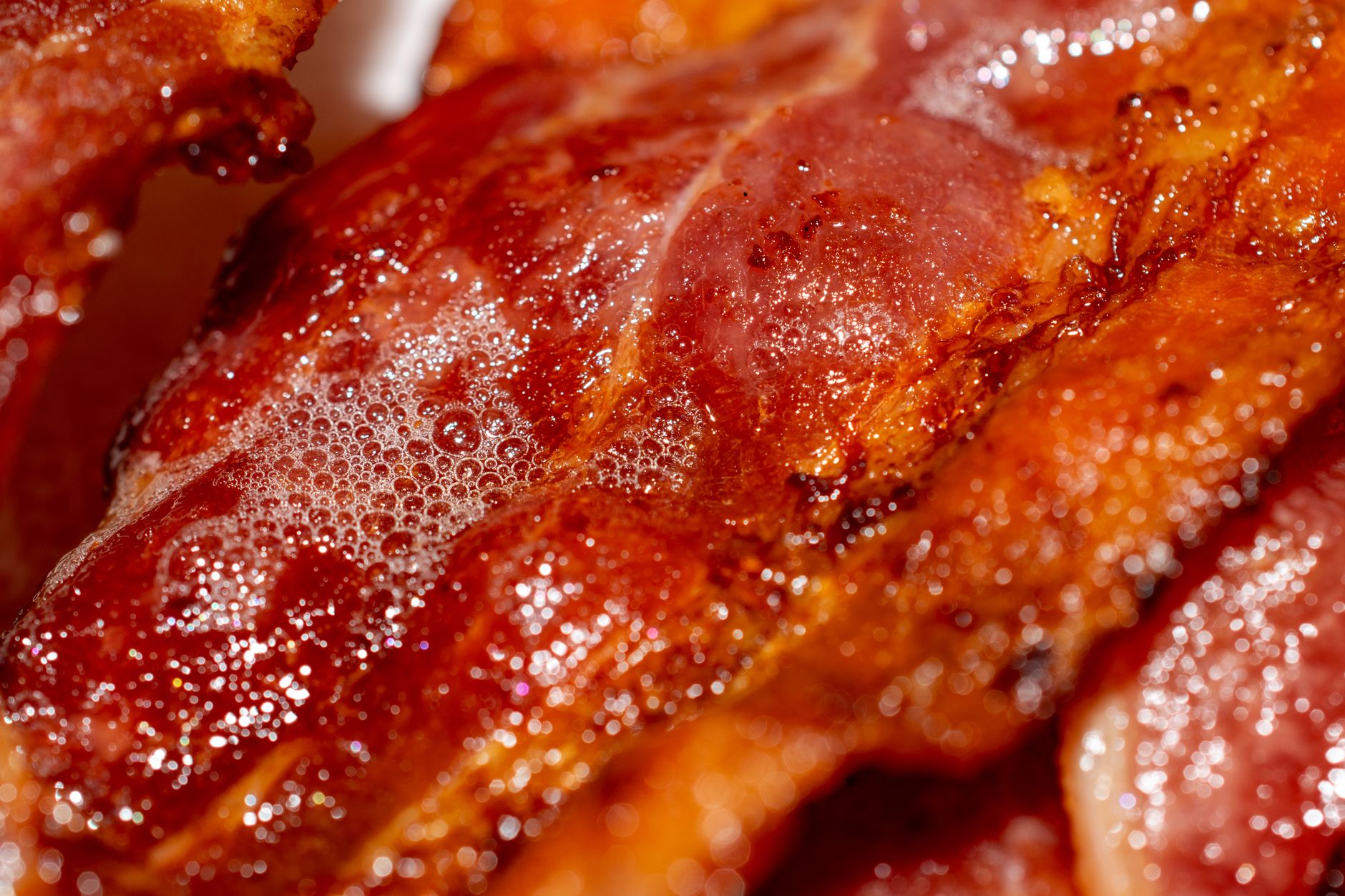
- Processed Meats: Sausages, bacon, hot dogs, and deli meats contain high amounts of saturated fats.
What to Consider
When examining red meat, consider leaner cuts that have less saturated fat or opt for poultry without skin. Choosing lower-fat dairy options can also help. The American Heart Association recommends limiting saturated fat intake to less than 6% of your total daily calories.
Trans Fats
Trans fats are artificially created in a process called hydrogenation, which solidifies liquid oils. They significantly raise LDL cholesterol while lowering high-density lipoprotein (HDL) cholesterol, which is the “good” cholesterol. Foods often containing trans fats include:
- Fried Foods: Foods fried in partially hydrogenated oils.
- Baked Goods: Many commercial baked goods, such as pastries, cookies, and some cakes.
- Snack Foods: Processed snacks like chips and microwave popcorn may contain trans fats.
- Margarine: Stick margarine often contains trans fats.
What to Consider
Many countries have regulations limiting trans fats in food products. Always read labels and choose items with zero trans fats whenever possible. Opt for healthier fats, such as those found in avocados, nuts, and olive oil.
Dietary Cholesterol
Dietary cholesterol, found in animal products, can also influence your blood cholesterol levels, although its effect is less significant for most people compared to saturated and trans fats. Foods high in dietary cholesterol include:
- Shellfish: Shrimp, crab, and lobster are high in dietary cholesterol.
- Egg Yolks: Eggs are nutritious, but the yolks contain cholesterol.
- Organ Meats: Liver and kidney contain high levels of cholesterol.
What to Consider
Moderation is key when consuming foods high in dietary cholesterol. For most people, dietary cholesterol has less impact than saturated fats on blood cholesterol levels. However, individuals with specific health conditions may need to limit dietary cholesterol intake more strictly.
Processed Foods and Sugars
Processed foods and those with high sugar content can also indirectly contribute to higher cholesterol levels by leading to obesity, which raises LDL levels. Consider these foods:
- Sugary Beverages: Soft drinks and sweetened teas.
- Packaged Snack Foods: Chips, candies, and cookies that have added sugars.
- Fast Foods: Many fast-food items are loaded with fats, sugar, and sodium.
What to Consider
Reducing intake of processed foods and added sugars can help manage your weight and cholesterol levels. Focus on whole foods, such as fruits, vegetables, and whole grains.
How to Manage Cholesterol Through Diet
Managing your cholesterol levels through diet involves more than just avoiding certain foods. It’s also about making healthier choices. Here are some strategies:
Incorporate Heart-Healthy Foods
Certain foods can actively help lower cholesterol levels. Consider including:
- Fruits and Vegetables: Rich in fiber and antioxidants.
- Whole Grains: Oats, quinoa, and barley are great for lowering cholesterol.
- Nuts and Seeds: Almonds, walnuts, and flaxseeds can help improve cholesterol levels.
- Fatty Fish: Salmon, mackerel, and sardines are high in omega-3 fatty acids.
Choose Healthy Cooking Methods
How you prepare and cook your food can impact its healthfulness and cholesterol effects:
- Baking, Grilling, or Roasting: These methods require less fat than frying.
- Steaming: This is a great way to retain nutrients without added fats.
- Avoiding Excess Oil: Use healthy oils, such as olive or canola oil, sparingly.
Read Food Labels
Become adept at reading nutrition labels. This practice allows you to:
- Identify hidden saturated and trans fats.
- Be aware of added sugars and cholesterol.
- Make informed choices about portion sizes.
Recipes to Support Healthy Cholesterol Levels
Incorporating heart-healthy recipes into your meal plan can be a delicious way to maintain balanced cholesterol levels. Here are a few ideas that emphasize nutrient-dense ingredients.
Oatmeal with Fresh Berries and Nuts
This dish is rich in soluble fiber and antioxidants, great for heart health.
- 1 cup rolled oats
- 2 cups water or low-fat milk
- 1 cup mixed berries (blueberries, strawberries)
- 1/4 cup nuts (walnuts or almonds)
- 1 tablespoon honey or maple syrup (optional)
Combine the oats and water/milk in a pot and bring to a boil. Reduce to a simmer and cook until oats are tender, approximately 5 minutes. Top with fresh berries, nuts, and a drizzle of honey if desired.
Grilled Salmon Salad
This salad is a fantastic source of omega-3 fatty acids and fiber.
- 2 salmon fillets
- 4 cups mixed greens
- 1 avocado, sliced
- 1/2 cucumber, diced
- 2 tablespoons olive oil
- Juice of 1 lemon
Grill the salmon fillets until cooked through, about 4-5 minutes per side. In a large bowl, combine greens, avocado, and cucumber. Top with salmon, drizzle with olive oil and lemon juice.
Quinoa and Black Bean Bowl
This bowl provides protein and fiber, making it filling and heart-healthy.
- 1 cup cooked quinoa
- 1 can black beans, rinsed
- 1 bell pepper, diced
- 1/2 red onion, diced
- 1 tablespoon olive oil
- 1 teaspoon cumin and chili powder
In a pan, heat olive oil, sauté onion and bell pepper for 3-4 minutes. Add black beans and spices, and cook until heated. Serve over quinoa.
Common Mistakes in Managing Cholesterol
Awareness of potential pitfalls can help you make better dietary choices. Here are some mistakes to avoid:
- Overlooking Hidden Fats: It’s easy to overlook fats in processed foods. Always check for hidden saturated and trans fats.
- Skipping Meals: This may lead to overeating later. Regular meals help maintain a healthy metabolism.
- Not Drinking Enough Water: Adequate hydration is crucial for overall health.
Consulting Health Professionals
It’s important to involve health professionals in your dietary plan, especially if you have existing health conditions. Here are some ways they can assist:
- Dietitian Consultation: They can tailor meal plans based on cholesterol management.
- Regular Health Check-ups: Monitoring cholesterol levels helps track your progress.
- Medication Review: If necessary, medications may assist in managing high cholesterol effectively.
Making Sustainable Changes
Long-lasting changes in diet can help maintain healthy cholesterol levels over time. Here are some strategies:
- Plan Your Meals: Set aside time weekly to plan nutritious meals.
- Batch Cooking: Prepare meals in advance for ease during the week.
- Stay Informed: Continue learning about nutrition and health. This helps reinforce good choices.
Eating healthily doesn’t mean you must completely abandon the foods you enjoy. Moderation and balance are essential. As you learn more about what foods raise cholesterol, remember to incorporate healthy options and lifestyle habits.
Explore related recipes, cooking tips, or food guides to further enhance your culinary knowledge and enjoy making heart-healthy choices.