
The first time I made authentic chimichurri, my kitchen filled with the peppery, garlicky aroma of fresh herbs and I knew I’d stumbled onto something special. This vibrant green sauce is Argentina’s gift to the grilling world, and once you taste it dripping over perfectly cooked steak or vegetables, you’ll understand why it’s become a global favorite.
Authentic chimichurri is the perfect bridge between simplicity and flavor. It comes together in minutes, requires no cooking, and transforms whatever you serve it with into something restaurant-worthy. Best of all, it tastes even better the next day once the flavors have had time to meld together.
Why You’ll Love This Recipe
This sauce hits every mark you could want in a condiment: bright, bold, versatile, and genuinely easy to make.
- Ready in under 10 minutes with zero cooking required
- Works with grilled meats, roasted vegetables, fish, and even bread
- Made with pantry staples and fresh herbs you can find anywhere
- Tastes better after sitting for a few hours, making it perfect for meal prep
- Naturally vegan, gluten-free, and dairy-free
My Experience Making This Recipe
I first learned to make chimichurri from an Argentine friend who threw together a batch while barely looking at measurements. She tasted it once, adjusted the vinegar, and that was it. I’ve made it dozens of times since, and I’ve learned that the magic lies in respecting the herbs rather than masking them.
The first time I served it at a dinner party, a guest who lived in Buenos Aires for five years gave it a nod of approval. That moment made my day. I’ve since realized that chimichurri is one of those recipes where simplicity is the whole point, and trying to overcomplicate it actually ruins it.
My family now asks for it constantly. I’ve taken to keeping a jar in the fridge most weeks because it disappears so quickly. The flavor only deepens as it sits, making it a genuinely practical sauce that saves you time rather than consuming it.
Recipe Overview
- Recipe Name: Authentic Chimichurri
- Servings: Makes about 1 cup (serves 6-8 as a condiment)
- Prep Time: 10 minutes
- Cook Time: 0 minutes
- Total Time: 10 minutes
- Course: Sauce/Condiment
- Cuisine: Argentine
- Calories per Serving: 45 calories (approximately, per 2 tablespoon serving)
Equipment You Will Need
- Cutting board
- Sharp chef’s knife
- Measuring cups and spoons
- Medium mixing bowl
- Wooden spoon or whisk
- Glass jar with lid (for storage)
Ingredients for Authentic Chimichurri
- Fresh flat-leaf parsley: 1 cup, loosely packed (finely chopped)
- Fresh oregano: 1/4 cup, loosely packed (finely chopped)
- Garlic cloves: 4-5 cloves (minced very fine)
- Red wine vinegar: 1/2 cup
- Extra virgin olive oil: 1/2 cup
- Red pepper flakes: 1/2 teaspoon
- Salt: 1 teaspoon
- Black pepper: 1/4 teaspoon
Ingredient Notes and Substitutions
- Flat-leaf parsley: This is the backbone of chimichurri and provides fresh, slightly peppery flavor. If you only have curly parsley, you can use it, but the flavor will be slightly milder and the texture more feathery.
- Fresh oregano: Fresh oregano is essential for authentic flavor, as it’s bright and floral. Dried oregano will make the sauce taste dull and can overpower other flavors, so avoid it if possible.
- Red wine vinegar: This adds acidity and tang that balance the oil. White vinegar works in a pinch but tastes sharper and less rounded.
- Extra virgin olive oil: Quality matters here since it’s a main ingredient. Regular olive oil lacks the grassy, fruity notes that make chimichurri special.
- Red pepper flakes: These add gentle heat without overwhelming. If you prefer more spice, increase to 3/4 teaspoon; for mild, use 1/4 teaspoon.
How to Make Authentic Chimichurri
Step 1: Prep Your Herbs
Rinse your fresh parsley and oregano under cold water and pat completely dry with paper towels. Wet herbs will dilute your sauce and cause it to separate, so this step is worth the extra 30 seconds.
Step 2: Mince the Parsley
Place the dry parsley on your cutting board and chop it finely with a sharp knife until you have about 1 cup of chopped parsley. You want pieces small enough to distribute evenly through the sauce, roughly the size of small peas.
Step 3: Chop the Oregano
Chop your fresh oregano into small pieces until you have about 1/4 cup. Oregano has tougher stems than parsley, so take a moment to separate the tender leaves and discard the woody stems.
Step 4: Mince the Garlic
Mince your garlic cloves very finely, nearly to a paste if you can manage it. Small garlic pieces distribute more evenly and dissolve slightly into the oil, while large chunks stay sharp and overpowering on the palate.
Step 5: Combine in Your Bowl
Place your chopped parsley, oregano, and minced garlic into a medium mixing bowl. Stir them together briefly to combine and start releasing their essential oils.
Step 6: Add the Vinegar and Oil
Pour the red wine vinegar into the bowl first, followed by the extra virgin olive oil. The vinegar helps emulsify the oil slightly and prevents it from pooling on top.
Step 7: Season Your Sauce
Add the red pepper flakes, salt, and black pepper to the bowl. Stir everything together thoroughly with a wooden spoon until well combined and the salt has dissolved.
Step 8: Taste and Adjust
Take a small spoonful and taste your chimichurri. Does it need more salt? More vinegar for tang? More heat? This is your moment to make it perfect for your palate. Authentic chimichurri should taste bright, herbaceous, slightly tangy, and balanced between oil and vinegar.
Step 9: Let It Rest
Transfer your chimichurri to a glass jar and let it sit at room temperature for at least 30 minutes before serving. This resting period allows the flavors to meld and the ingredients to fully hydrate, making the finished sauce taste significantly better.
Pro Tip: Make your chimichurri a few hours or even a day ahead, and store it in the fridge. The flavors deepen and meld beautifully overnight, and you’ll often find it tastes even better than when freshly made.
Tips for the Best Authentic Chimichurri
- Use fresh herbs without hesitation. Dried oregano and parsley will produce a dusty, flat-tasting sauce that bears little resemblance to the real thing.
- Don’t skip the resting period. Those 30 minutes allow the garlic to mellow and the herbs to release their full flavor into the oil.
- Chop your herbs by hand rather than in a food processor. The processor bruises delicate parsley and releases too much liquid, resulting in a watery, oxidized sauce.
- Use good quality extra virgin olive oil that tastes fruity and pleasant on its own. Cheap oil will make your whole sauce taste thin and one-dimensional.
- Taste as you go, especially with garlic and salt. These two ingredients can easily tip the balance if you overdo them.
- Stir the sauce before each serving since the oil naturally separates from the vinegar. This is completely normal and not a sign anything went wrong.
Common Mistakes to Avoid
- Using dried herbs instead of fresh. This is the number one chimichurri mistake and results in a sauce that tastes like dust rather than vibrant herbs.
- Pureeing the ingredients in a food processor. This bruises the herbs, oxidizes them, and produces a dark, bitter-tasting sauce instead of a bright green one.
- Adding too much garlic and making the sauce overly sharp and spicy. Start with 4 cloves and taste before adding more.
- Using low quality olive oil. Your sauce is mostly oil, so this ingredient directly impacts the final flavor more than you might think.
- Skipping the rest period and serving immediately. Patience pays off here, and you’ll notice an obvious difference in flavor after even 30 minutes.
Serving Suggestions
Chimichurri is incredibly versatile and plays beautifully with almost anything you grill, roast, or cook. The brightness cuts through rich meats and adds complexity to simple vegetables.
- Grilled steak or beef tenderloin as the traditional Argentine pairing
- Roasted chicken breasts or whole grilled chicken
- Grilled fish like salmon, halibut, or flank steak
- Roasted vegetables like zucchini, bell peppers, and eggplant
- Crusty bread dipped directly into the sauce as an appetizer
Variations to Try
- Cilantro Chimichurri: Swap half the parsley for fresh cilantro to create a Mexican-inspired version with more citrus notes. This works beautifully with grilled fish and chicken.
- Spicy Chimichurri: Increase the red pepper flakes to 1 teaspoon or add one finely diced jalapeno for heat that builds as you eat. This version pairs well with rich cuts of beef.
- Chimichurri with Lime: Replace half the red wine vinegar with fresh lime juice for a brighter, slightly more herbaceous sauce. This is exceptional with seafood and chicken.
- Mint and Parsley Chimichurri: Add 2 tablespoons of fresh mint to your base recipe for cooling, refreshing notes that work well with lamb and lighter meats.
- Chimichurri with Cumin: Add 1/4 teaspoon of ground cumin for earthiness that complements grilled vegetables and beef beautifully. This leans more toward Spanish flavors.
Dietary Adaptations
- Gluten-Free: Chimichurri is naturally gluten-free as written. No changes needed.
- Dairy-Free: This recipe contains no dairy products. It’s already completely dairy-free.
- Vegan/Vegetarian: Chimichurri is naturally vegan and vegetarian. Serve it with roasted vegetables, tofu, or plant-based proteins.
- Low-Carb/Keto: Chimichurri fits perfectly into low-carb eating. It’s nearly zero carbohydrates and full of healthy fats from olive oil.
Storage and Reheating
Refrigerator
Store your chimichurri in a glass jar with a tight-fitting lid for up to two weeks. The flavors will actually improve and deepen over the first few days.
- Keep it at the back of your fridge where it stays cold but not frozen
- Let it come to room temperature before serving for the best flavor
- Stir well before each use since the oil will separate
Freezer
Chimichurri freezes quite well, though the texture of the fresh herbs changes slightly after thawing. Plan to use frozen chimichurri within three months for best results.
- Freeze in ice cube trays for easy portioning, then transfer to a freezer bag
- Thaw in the refrigerator overnight before using
- The sauce may look slightly separated after thawing, which is normal
Reheating
Chimichurri doesn’t need reheating since it’s served at room temperature. Simply remove from the refrigerator 15 minutes before serving and let it warm naturally.
- Never heat chimichurri in the microwave or on the stove
- Heat damages the fresh herb flavor and can cause the oil to separate unpleasantly
- Stir well and taste before serving to ensure the flavors are balanced
Nutrition Information
| Nutrient | Amount |
|---|---|
| Calories | 45 |
| Total Fat | 4.5g |
| Saturated Fat | 0.6g |
| Carbohydrates | 1g |
| Fiber | 0.2g |
| Sugar | 0.1g |
| Protein | 0.3g |
| Sodium | 180mg |
| Cholesterol | 0mg |
Nutrition values are approximate and based on a 2 tablespoon serving size. Values may vary slightly based on specific ingredient brands and chopping techniques.
Frequently Asked Questions
Can I make chimichurri without fresh oregano?
Fresh oregano is really the best choice for authentic flavor, but if you absolutely cannot find it, you can increase the parsley slightly. Never substitute dried oregano, as it tastes completely different and will ruin the sauce.
How long can I make chimichurri ahead of time?
You can make chimichurri up to two days ahead and store it in the fridge. The flavors actually improve after sitting for several hours, so making it a day early is ideal.
Why did my chimichurri turn dark green or brown?
This usually means the herbs were chopped too finely or processed, which bruises them and causes oxidation. Make sure you’re chopping by hand with a sharp knife and keeping the pieces relatively chunky.
Can I use a blender or food processor to make this faster?
I wouldn’t recommend it. The blade bruises the delicate herbs and releases too much moisture, resulting in a dark, watery, bitter-tasting sauce. The 10 minutes of hand chopping is well worth the superior flavor.
What’s the difference between chimichurri and parsley sauce?
Chimichurri uses mostly parsley with fresh oregano as a secondary herb, while traditional parsley sauce (like chimichurri verde) might be parsley-only or use different proportions and vinegars. The Argentine version we’re making here emphasizes both herbs equally.
Can I adjust the vinegar-to-oil ratio?
Yes, this is actually encouraged. Some people prefer a more vinegary sauce, while others like it oilier and milder. Start with the 1:1 ratio and adjust by a tablespoon at a time until it tastes right to you.
Does chimichurri need to be served cold?
Not at all. Chimichurri is typically served at room temperature, which actually brings out the herb flavors better than serving it cold straight from the fridge. Pull it out 15 minutes before serving for the best taste.
Final Thoughts
Authentic chimichurri is proof that some of the best things in cooking require almost no effort at all. This sauce tastes like pure brightness in a jar, and it transforms ordinary dinners into something special with virtually no work on your part. Once you make it a few times, you’ll find yourself keeping a batch on hand all the time.
Give this recipe a try this week, and I promise you’ll be making it constantly. Your grilled meats and roasted vegetables will taste like they came from an Argentine steakhouse, and your friends will ask for the secret every single time. That secret is simply respecting good ingredients and not overcomplicating things.
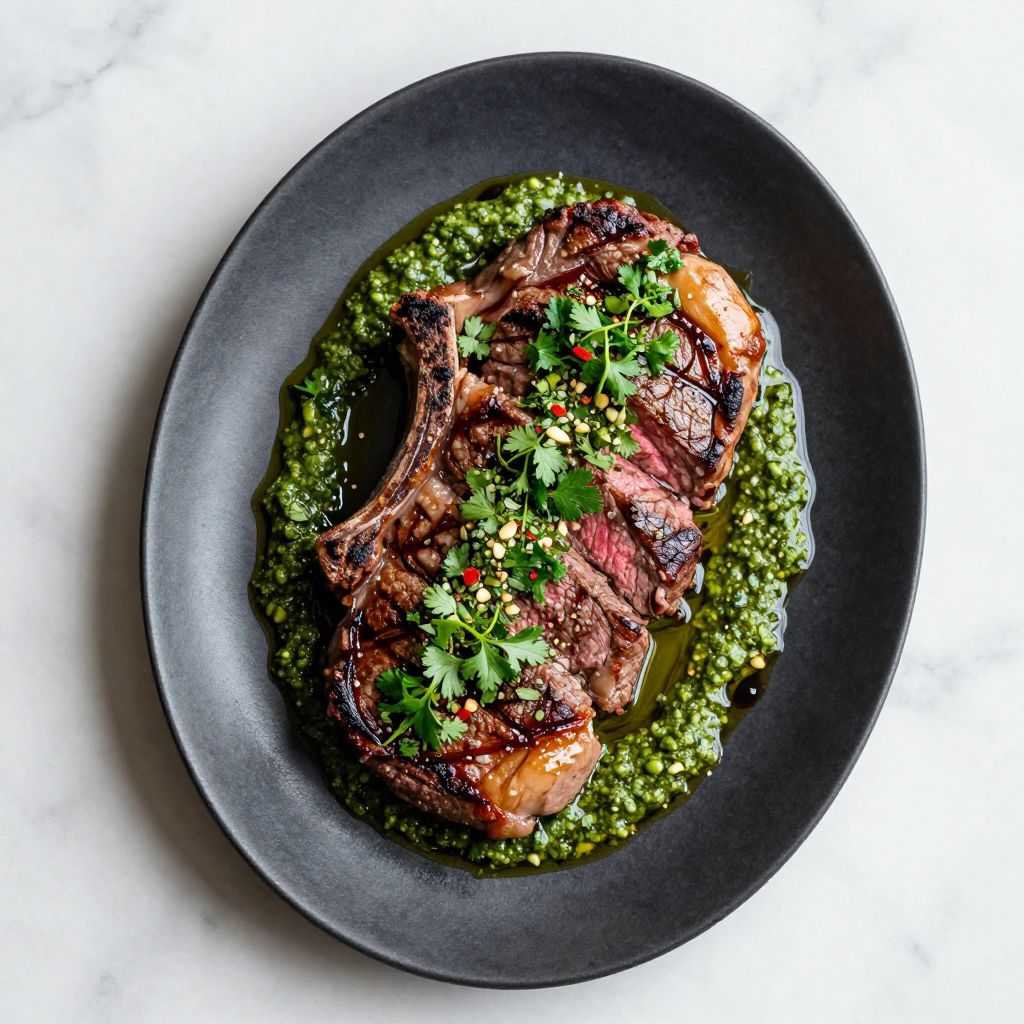
Authentic Chimichurri
Ingredients
Equipment
Method
- Rinse your fresh parsley and oregano under cold water and pat completely dry with paper towels. Wet herbs will dilute your sauce and cause it to separate.
- Place the dry parsley on your cutting board and chop it finely with a sharp knife until you have about 1 cup of chopped parsley. You want pieces small enough to distribute evenly through the sauce, roughly the size of small peas.
- Chop your fresh oregano into small pieces until you have about 1/4 cup. Oregano has tougher stems than parsley, so take a moment to separate the tender leaves and discard the woody stems.
- Mince your garlic cloves very finely, nearly to a paste if you can manage it. Small garlic pieces distribute more evenly and dissolve slightly into the oil.
- Place your chopped parsley, oregano, and minced garlic into a medium mixing bowl. Stir them together briefly to combine and start releasing their essential oils.
- Pour the red wine vinegar into the bowl first, followed by the extra virgin olive oil. The vinegar helps emulsify the oil slightly and prevents it from pooling on top.
- Add the red pepper flakes, salt, and black pepper to the bowl. Stir everything together thoroughly with a wooden spoon until well combined and the salt has dissolved.
- Take a small spoonful and taste your chimichurri. Adjust salt, vinegar, or heat as needed. Authentic chimichurri should taste bright, herbaceous, slightly tangy, and balanced between oil and vinegar.
- Transfer your chimichurri to a glass jar and let it sit at room temperature for at least 30 minutes before serving. This resting period allows the flavors to meld and the ingredients to fully hydrate.