
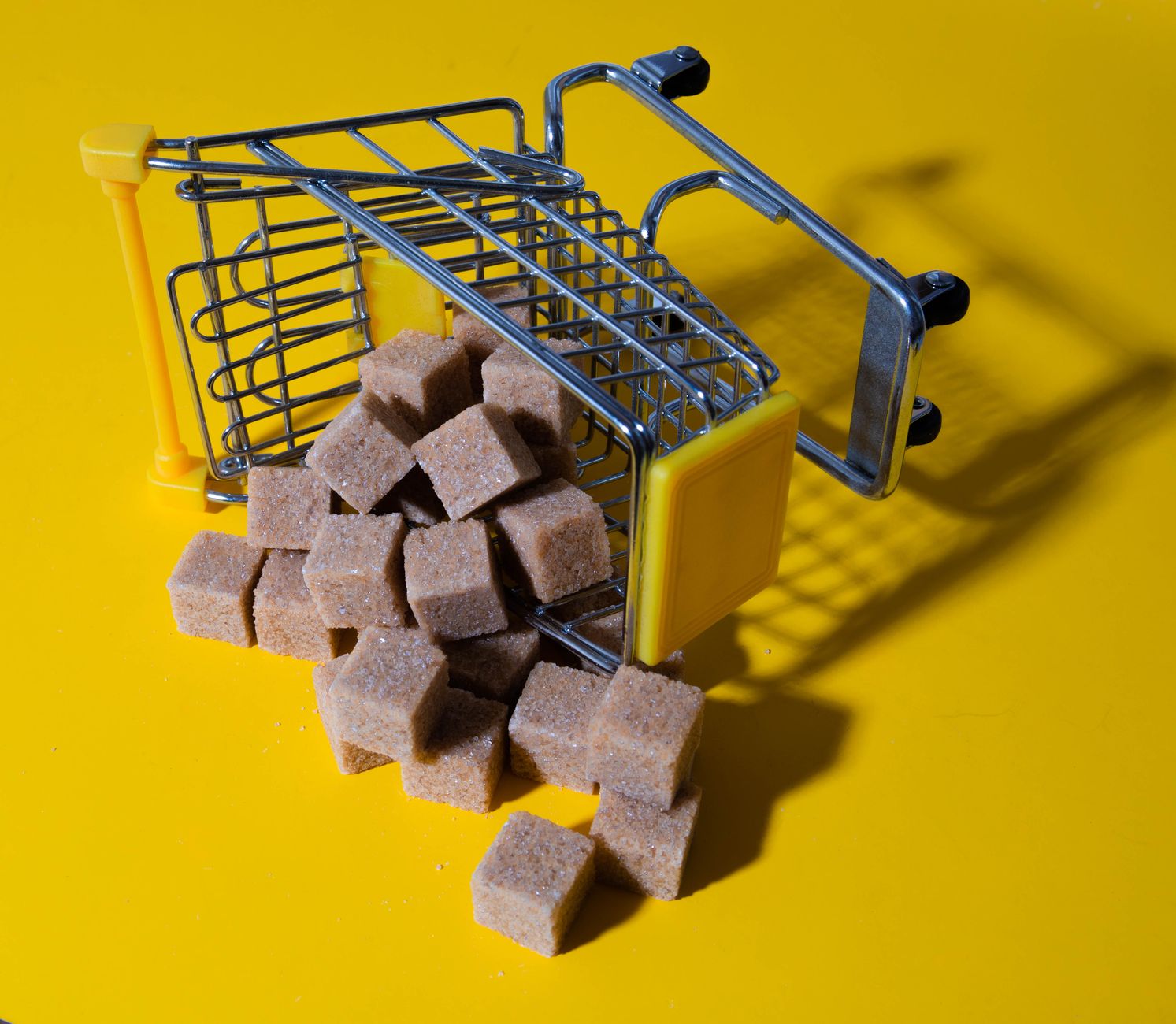
When it comes to understanding sugar in our diets, the measurement of sugar not only in teaspoons or grams but also in sugar cubes can provide valuable insight. Sugar cubes are a common reference point, particularly for those who might use them in drinks. Knowing how much sugar is in a single cube can help inform healthier dietary choices.
In this article, we will explore how much sugar is in a typical sugar cube, what that means in terms of daily sugar intake, and some practical applications in cooking and meal planning. You’ll find the nutritional breakdown, helpful tips, and how to balance sugar consumption in your diet.
How Much Sugar Is in a Cube?
A standard sugar cube generally contains about 4 grams of sugar. This quantity is beneficial to know because it equates to roughly one teaspoon of granulated sugar. Understanding this measurement allows consumers to better monitor their sugar intake, especially in sweetened beverages.
The Nutritional Breakdown of Sugar Cubes
Besides the obvious sugar content, sugar cubes also contain calories. Each sugar cube has approximately 16 calories. Here’s a closer look at what that means:
- Calories: 16
- Carbohydrates: 4 grams
- Sugar: 4 grams
- Fat: 0 grams
- Protein: 0 grams
When considering the context of daily sugar intake, the American Heart Association recommends that women limit their added sugars to 6 teaspoons (25 grams) per day, while men should limit it to 9 teaspoons (36 grams). Therefore, consuming just a few sugar cubes can quickly add up to significant portions of these limits.
Practical Applications of Sugar Cubes
In Beverages
Sugar cubes are often associated with sweetening coffee and tea. Understanding how much sugar is carried with a single cube aids in controlling sweetness:
- Tea: A cup of tea typically contains no calories, but if you add a couple of sugar cubes, you are adding around 32 calories immediately.
- Coffee: Black coffee is calorie-free, but again, sugar cubes significantly impact the calorie count when added.
For those looking to cut down on sugar, consider using fewer sugar cubes or switching to natural sugar substitutes like honey or agave syrup, which can have different sweetness levels.
In Cooking and Baking
When cooking or baking, understanding the amount of sugar needed becomes crucial, especially when substituting granulated sugar with sugar cubes:
- Measurement: One sugar cube is roughly equivalent to one teaspoon of sugar. Hence, if a recipe calls for 1 cup of sugar (about 200 grams), you would need around 50 sugar cubes.
- Flavor Profile: Quality in sugar differs; using granulated sugar versus cubes may result in texture differences in specific recipes. Therefore, it is crucial to dissolve cubes well in liquids before incorporating them into a mix.
Substitutions for Sugar Cubes
If you prefer to limit your sugar intake or avoid added sugars altogether, here are some effective substitutes:
- Honey: A tablespoon of honey can replace about two sugar cubes, thanks to its higher sweetness level.
- Agave Syrup: Similar to honey, agave can substitute sugar cubes in a 1:1 ratio.
- Stevia or Monk Fruit Sweetener: These are often found in powdered form and can provide sweetness without calories.
Switching out sugar cubes for these alternatives can reduce calories and impact blood sugar levels, factors to consider especially for those with diabetes or those on a sugar-restrictive diet.
Common Mistakes with Sugar Cubes
While using sugar cubes is straightforward, several common mistakes can change the outcome of recipes or beverage enjoyment:
- Forgetting to Dissolve: If not fully dissolved in drinks, sugar cubes can cause a gritty texture.
- Overusing: It’s easy to lose track of how much sugar is added to drinks or recipes, so measuring is key to moderate consumption.
- Ignoring the Types: Different sugars (like brown sugar) can behave differently in recipes, so not substituting correctly can lead to unwanted flavors or textures.
Understanding Sugar Content in Other Foods
To make informed dietary choices, it’s essential to compare sugar cube measurements to other common foods:
| Food Item | Sugar Content (grams) | Equivalence in Sugar Cubes |
|---|---|---|
| Soft Drink (12 oz) | 39 | 10 |
| Candy Bar | 28 | 7 |
| Pudding (1 serving) | 15 | 4 |
| Cereal (1 cup) | 12 | 3 |
This comparison clearly shows how quickly sugars can add up. Even a single can of soda surpasses the amount of sugar that would typically be found in several sugar cubes.
Meal Planning and Sugar Awareness
Incorporating sugar management into meal planning can lead to healthier eating habits:
- Read Labels: Become aware of not only how much sugar is in beverages but also in sauces, cereals, and condiments.
- Batch Cooking: Preparing meals centered around whole foods can naturally reduce sugar, as many processed foods can have hidden sugars.
- Sweet Spot: Determine how much sugar feels suitable for your dietary habits, and opt for lower sugar recipes or smaller portions of sweeter items.
Balancing Sugar in Your Diet
Balancing sugar consumption is crucial for maintaining overall health. Here are some tips for managing intake:
- Moderation: Enjoying sugary items in moderation helps prevent potential health risks such as obesity or diabetes.
- Mindful Eating: Take notice of how much sugar you consume daily, including beverages and snacks.
- Preparing Homemade Alternatives: For those who love sweet treats, consider making them at home where you can control the sugar content more effectively.
Conclusion
Knowing how much sugar is in a cube is more than just an academic exercise; it’s a practical tool for managing your dietary habits. Whether you are looking to cut sugar for health reasons or simply be more mindful about sugar consumption in your beverages and meals, understanding these measurements contributes significantly to a healthier lifestyle. Keep in mind the information provided about substitutions and meal planning as you navigate your culinary experiences.
For further exploration, check out our Chia Pudding Recipe for a healthy and delicious breakfast option, or delve into making your own Brown Sugar Syrup to control sweetness in various dishes.