
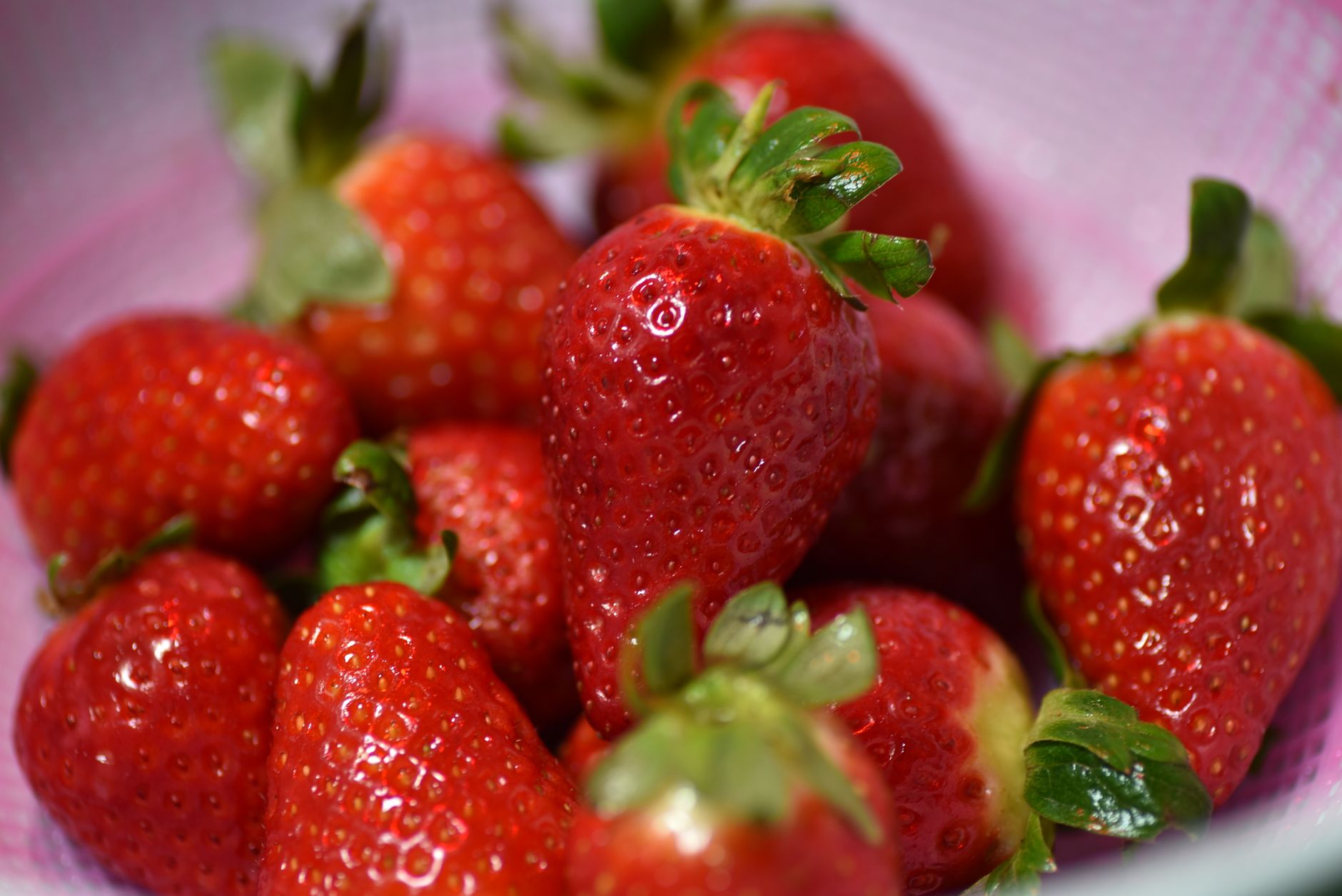
Strawberries are a beloved fruit, known for their sweet and tangy flavor, vibrant color, and versatility in both sweet and savory dishes. Understanding when strawberries come into season can help you enjoy them at their peak flavor, whether you’re eating them fresh, baking, or preserving. Knowing the timing allows for the best culinary experiences with this delightful berry.
In this guide, we will explore the seasonal availability of strawberries, tips for selecting the best ones, and ideas for using them in various recipes. This comprehensive look will prepare you for making the most of strawberry season, ensuring you savor this fruit at its freshest.
When Do Strawberries Come Into Season?
Strawberries typically come into season during the late spring to early summer months. In the United States, the harvest generally begins around late April and can extend into early July depending on the region and climate. In warmer climates, such as California, strawberries can be available as early as March, while in colder regions, the harvest may not start until June.
Factors Influencing Strawberry Seasonality
Strawberry season can vary significantly based on several factors. Understanding these influences can help you better plan your strawberry adventures.
1. Geographic Region
The region in which strawberries are grown plays a crucial role in determining their harvest season. Here are a few examples:
- California: This state leads in strawberry production, with the season beginning in March and lasting until November, peaking between April and June.
- Florida: Strawberries are typically in season from December through March, making them a winter treat.
- Northern States: Regions like New York and Michigan usually see strawberries ripen between late May and early July.
2. Weather Conditions
The weather also significantly affects strawberry growth. Ideal conditions for strawberry plants include mild temperatures and adequate rainfall. A late frost or unusually warm temperatures can shift the growing season. Warmer springs can lead to an earlier harvest, while cooler weather can delay it.
3. Strawberry Varieties
Different varieties of strawberries have varying harvest times. Here are some common types:
- June-bearing: These are typically harvested once a year in June. They produce a large crop all at once.
- Ever-bearing: These produce smaller crops throughout the summer, typically in June and again in the fall.
- Day-neutral: This variety can produce fruit all summer long as long as the temperatures remain moderate.
Choosing the Best Strawberries
Once you’re aware of strawberry season, knowing how to pick the best berries is crucial. Here are some tips to help you select ripe strawberries:
- Look for Bright Color: Choose strawberries that are bright red, signaling they are ripe. Avoid those that are white or green at the top.
- Check for Freshness: The berries should be firm and free from bruising, mold, or signs of decay.
- Aroma: Ripe strawberries will have a sweet, fragrant smell, indicating they are ready to eat.
- Size and Shape: While larger strawberries can be appealing, size doesn’t always correlate with flavor. Look for uniform shapes without blemishes.
Storing Fresh Strawberries
Proper storage can prolong the life of your strawberries, allowing you to enjoy them longer. Here are some storage tips:
- Do Not Wash Before Storing: Moisture can lead to mold. Wait until you are ready to eat them before washing.
- Refrigeration: Store strawberries in the refrigerator in a breathable container, like a colander or a container lined with a paper towel to absorb excess moisture.
- Use Within a Few Days: Fresh strawberries are best consumed within a few days for peak flavor. If they start to look dull or mushy, consider using them in smoothies or baking.
Using Strawberries in Recipes
Strawberries are highly versatile and can be used in a variety of dishes. Here are some delicious ways to incorporate strawberries into your meals:
1. Fresh Strawberry Salad
Brighten up your salads with fresh strawberries. Combine mixed greens with sliced strawberries, goat cheese, and walnuts, drizzled with balsamic vinaigrette for a refreshing dish.
2. Strawberry Smoothie
A quick and nutritious breakfast option, blend fresh strawberries with yogurt, a banana, and a splash of orange juice for a delicious smoothie.
3. Strawberry Desserts
Strawberries shine in desserts like strawberry shortcakes, tarts, or simply topped with whipped cream. Try this easy strawberry dessert:
- Wash and slice fresh strawberries.
- In a bowl, mix strawberries with a little sugar and let them macerate for about 30 minutes.
- Serve over sponge cake or shortcake with whipped cream.
4. Strawberry Jam
Preserving your strawberries is a wonderful way to enjoy them all year long. Consider making strawberry jam. You can use the following simple method:
- Gather 2 quarts of fresh strawberries, 1 cup of sugar, and the juice of 1 lemon.
- In a pot, combine all ingredients and cook over medium heat, stirring occasionally until the strawberries break down and the mixture thickens (about 30 minutes).
- Pour into sterilized jars and seal.
This method creates a delicious, homemade strawberry jam that can last for months.
Common Mistakes When Cooking with Strawberries
When working with strawberries, avoid these common pitfalls to ensure the best flavor and texture:
- Not Waiting for Ripe Berries: Using unripe strawberries can lead to tart flavors and less sweetness.
- Overcooking the Berries: If using strawberries in baking, don’t overbake them, as they can turn mushy.
- Skipping the Sugar: When pureeing or cooking strawberries, they often need a little sugar to enhance their natural sweetness.
Meal Planning with Strawberries
Incorporating strawberries into your meal planning is easy and rewarding. Here’s a simple guide on how to use strawberries through the week:
Sample Weekly Meal Plan
| Day | Meal Idea |
|---|---|
| Monday | Strawberry spinach salad with grilled chicken |
| Tuesday | Strawberry smoothie for breakfast |
| Wednesday | Whole grain toast topped with strawberries and cream cheese |
| Thursday | Homemade strawberry ice cream |
| Friday | Strawberry shortcake for dessert |
| Saturday | Stuffed French toast with strawberries |
| Sunday | Strawberry and chocolate dip for a snack |
Preserving Strawberries for Off-Season Use
If you want to enjoy strawberries year-round, consider preserving them through freezing or canning.
Freezing Strawberries
Freezing is a straightforward way to store strawberries for use in smoothies, desserts, and sauces. Follow these steps:
- Wash and hull the strawberries, removing the green stems.
- Lay them in a single layer on a baking sheet and freeze until solid.
- Transfer the frozen strawberries to a freezer-safe bag or container, labeling with the date.
Canning Strawberry Preserves
Canning is another effective method to preserve strawberries. Use this basic process:
- Macerate strawberries with sugar as previously mentioned.
- Cook until thickened and pour into sterilized jars.
- Process in a water bath for approximately 10 minutes to seal.
Check for a proper seal before storing in a cool, dark place.
Conclusion
Knowing when strawberries come into season allows you to plan your meals and take advantage of this delicious fruit at its best. Selecting the finest strawberries while incorporating them into your cooking can enhance flavors in countless dishes. Start planning your strawberry feasts today!
Explore more delicious ideas and culinary tips by checking out our Strawberry Preserves Recipe and Strawberry Pie Filling Recipe for fruity delights.