
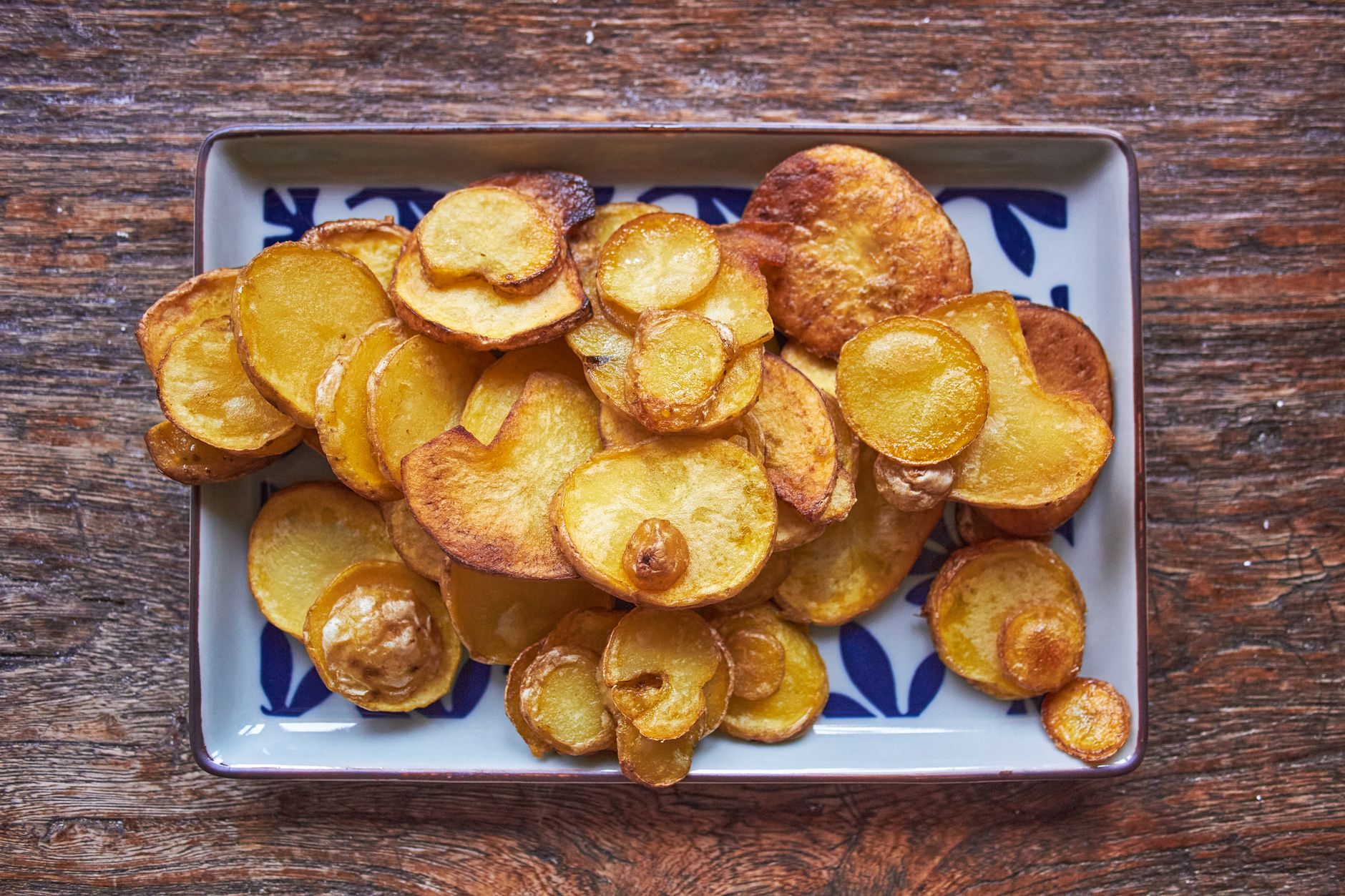
Baked potatoes are a classic side dish known for their fluffy texture and ability to hold rich flavors. However, understanding their shelf life and proper storage techniques is vital to ensure food safety and maintain their deliciousness. This guide explores how long baked potatoes remain good for consumption, as well as tips for storage and reheating.
In this article, we will provide a comprehensive answer to the question “How long are baked potatoes good for?” We will delve into nutrition, portion control, and practical meal planning ideas to ensure you make the most of this versatile ingredient.
How Long Are Baked Potatoes Good For?
Baked potatoes can be stored in the refrigerator for 3 to 5 days when properly cooled and stored. If left at room temperature for more than two hours, they should be discarded due to the risk of bacterial growth. Therefore, proper handling is essential to maximize their safety and quality.
Understanding the Shelf Life of Baked Potatoes
The shelf life of baked potatoes is influenced by several factors, including storage methods, preparation techniques, and environmental conditions. Here’s a closer look at these aspects:
1. Refrigerator Storage
After baking, allow your potatoes to cool down to room temperature. Once cooled, wrap them in aluminum foil or place them in an airtight container before refrigerating. Baked potatoes stored in the fridge will remain optimal for about 3 to 5 days.
2. Freezer Storage
If you want to store baked potatoes for a longer period, freezing is an excellent option. When properly wrapped or placed in freezer-safe bags, baked potatoes can last for about 10 to 12 months in the freezer. However, the texture may be altered upon thawing.
3. Room Temperature
Baked potatoes should not be left out at room temperature for extended periods. Bacteria can proliferate rapidly in food left out for over two hours, so it’s crucial to refrigerate or freeze leftovers promptly.
Proper Storage Tips for Baked Potatoes
To extend the shelf life of baked potatoes, consider the following storage tips:
- Cool Before Storing: Always let baked potatoes cool to room temperature before placing them in the refrigerator or freezer.
- Use Airtight Containers: Store baked potatoes in airtight containers or wrap them tightly in aluminum foil to prevent moisture loss.
- Label and Date: If freezing, label each container or bag with the date of storage to keep track of their freshness.
- Separate from Other Foods: Store them away from food items that emit strong odors, as potatoes can absorb these smells.
Reheating Baked Potatoes
Proper reheating is crucial to ensure that baked potatoes remain safe and enjoyable to eat. Here are some reliable methods:
1. Oven Method
- Preheat your oven to 350°F (175°C).
- Wrap the baked potato in foil to retain moisture.
- Heat for about 15 to 20 minutes, or until hot throughout.
2. Microwave Method
- Place the baked potato on a microwave-safe plate.
- Use a fork to poke several holes in the potato to allow steam to escape.
- Microwave on high for 1 to 2 minutes, turning halfway through until heated through.
3. Skillet Method
- Heat a skillet over medium heat.
- Add a small amount of oil or butter to the pan.
- Add the baked potato and cover the skillet.
- Cook for about 5-7 minutes, turning occasionally, until heated through and crispy on the outside.
Nutritional Information of Baked Potatoes
Baked potatoes are not only delicious but also nutritious. They are a great source of vitamins, minerals, and dietary fiber. Below is a general overview of the nutritional components found in a medium-sized baked potato (about 150 grams):
- Calories: Approximately 160 kcal
- Carbohydrates: 37 grams
- Protein: 4 grams
- Fat: Less than 1 gram
- Fiber: 4 grams
- Vitamin C: 30% of the Daily Value
- Potassium: 620 mg
This nutrient profile makes baked potatoes an excellent choice for many dietary needs while being low in calories and fats. They can be enjoyed plain or with a variety of toppings to enhance their flavor.
Serving Sizes and Portion Control
Understanding portion sizes can help in meal planning and can prevent food waste. A standard serving size of a baked potato is typically one medium potato per person. Here are a few ways to serve baked potatoes:
- Plain: Simply bake and season with salt and pepper.
- Topped: Add toppings such as sour cream, chives, shredded cheese, or bacon bits.
- Mashed: Use baked potatoes to make creamy mashed potatoes by adding butter and milk.
Common Mistakes to Avoid
To ensure that you maximize the enjoyment of baked potatoes and maintain food safety, avoid these common mistakes:
- Not Cooling Properly: Ensure potatoes cool down before refrigerating to prevent condensation and sogginess.
- Storing with Toppings: Do not store baked potatoes with toppings added, as this can promote bacterial growth.
- Overcooking: When reheating, ensure the potato is heated evenly. Undercooked or overheated potatoes can affect taste and texture.
Creative Uses for Leftover Baked Potatoes
Rather than waste leftover baked potatoes, consider the following options:
- Potato Salad: Chop and incorporate into a potato salad with your favorite dressings and additions.
- Breakfast Hash: Dice and sauté with diced vegetables and eggs for a hearty breakfast.
- Potato Soup: Blend leftover baked potatoes into soups for added creaminess.
Freezing Baked Potatoes: Step-by-Step Instructions
If you have baked potatoes you won’t consume immediately, freezing is an excellent option for long-term storage. Here’s how to do it:
- Allow the baked potatoes to cool completely to room temperature.
- Wrap each potato individually in aluminum foil or plastic wrap to protect against freezer burn.
- Place the wrapped potatoes in a heavy-duty freezer bag or airtight container.
- Label and date the container, then place it in the freezer.
Thawing Freezer-Stored Baked Potatoes
To thaw frozen baked potatoes, follow these methods:
1. Refrigerator Thawing
Transfer the frozen baked potatoes to the refrigerator and allow them to thaw overnight.
2. Microwave Thawing
You can also use the microwave. Remove the wrapping and heat on the defrost setting until thawed.
3. Resume Cooking from Frozen
It is possible to reheat baked potatoes directly from the freezer by which point you should add a few extra minutes to the reheating time to ensure they warm through completely.
Understanding the Importance of Food Safety
When it comes to food safety, understanding proper food handling and storage practices is essential. Here are some key points to remember:
- Keep the Kitchen Clean: Always practice good hygiene when cooking and storing food.
- Check for Signs of Spoilage: Be vigilant for signs of spoilage, such as off-odors or mold.
- Stay Informed: Familiarize yourself with the guidelines from authorities like the USDA on food safety.
Conclusion
Baked potatoes are a versatile and nutritious food that can easily fit into a variety of meals. With proper storage and handling, you can maximize their shelf life, enjoy delicious leftovers, and avoid waste. Remember to refrigerate or freeze promptly to ensure safety, and feel free to experiment with various toppings and creative uses.
If you want to learn about food storage, check how long cooked chicken is good for or how long cooked ground beef is good in the fridge for safe meal planning and storage tips.