
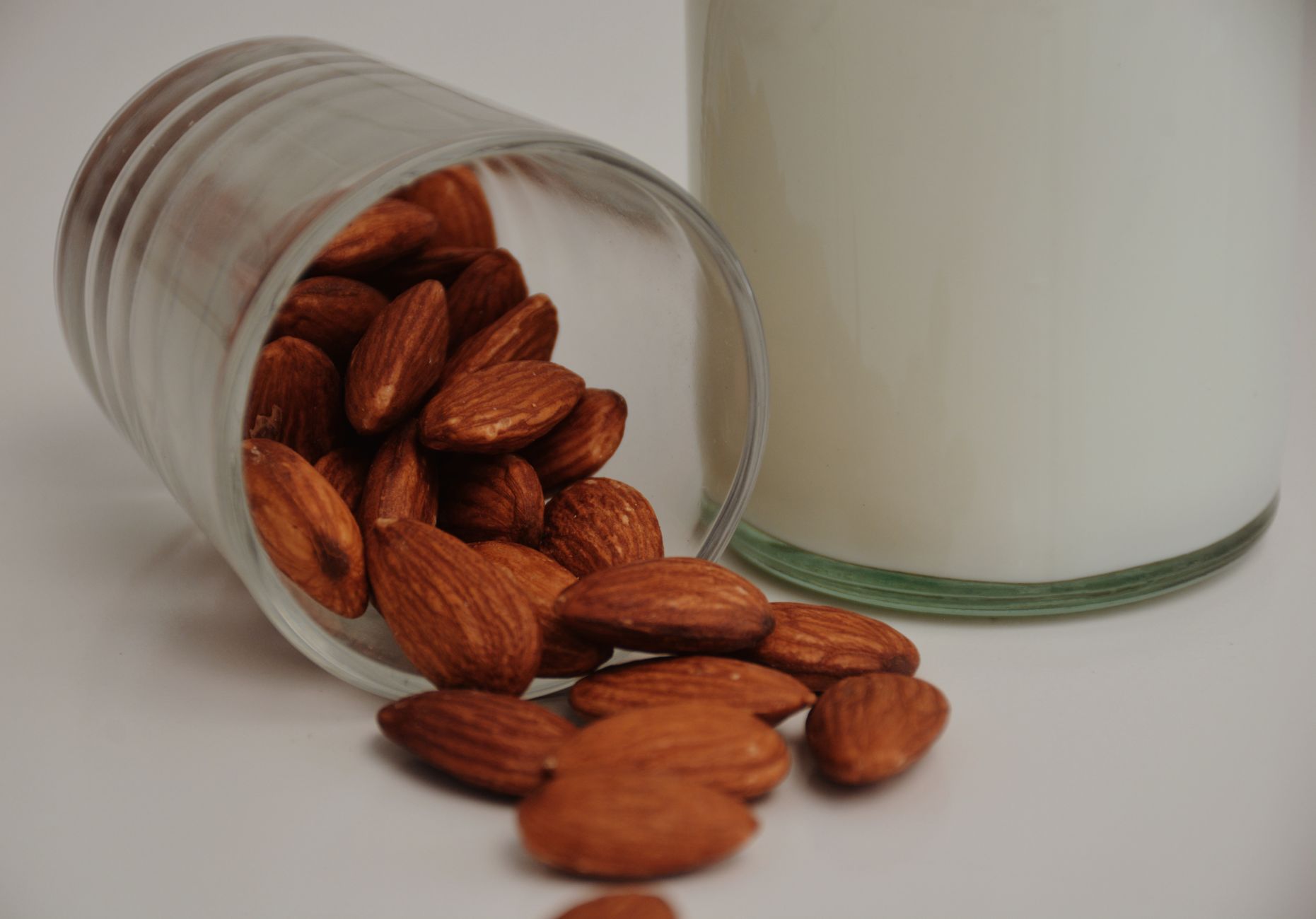
Almond milk has surged in popularity as a dairy alternative for its creamy texture and nutty flavor. Whether enjoyed straight, in coffee, or as part of recipes, many consumers are curious about its nutritional profile, specifically its protein content. This article delves into the protein content of almond milk, exploring its benefits, comparisons to other milk types, and how it fits into a balanced diet.
Understanding the protein levels in almond milk is essential for those following plant-based diets or anyone monitoring their protein intake. We will examine typical protein amounts, factors that affect this content, and how almond milk can be included in your daily meals.
How Much Protein Is in Almond Milk?
The protein content in almond milk typically ranges from 1 to 2 grams per cup, depending on whether it is sweetened, unsweetened, or fortified. This is considerably lower than the protein found in cow’s milk, which contains about 8 grams of protein per cup. However, many brands enhance almond milk with additional nutrients, sometimes increasing the protein content.
Comparing Protein Content in Various Milk Types
To put almond milk’s protein levels into perspective, it’s beneficial to compare it to other types of milk.
| Type of Milk | Protein Content (per 1 cup) |
|---|---|
| Cow’s Milk (whole) | 8 grams |
| Skim Milk | 8 grams |
| Soy Milk | 7 grams |
| Coconut Milk (carton) | 0 grams |
| Rice Milk | 1 gram |
| Almond Milk | 1-2 grams |
From this table, it’s evident that while almond milk is lower in protein compared to cow’s and soy milk, it still serves as a nutritionally-rich alternative for those preferring plant-based options.
Why Protein Matters
Protein is essential for numerous bodily functions, including muscle repair, hormone production, and immune function. It plays a significant role in maintaining satiety, helping you feel full for longer. For individuals relying on almond milk as a primary beverage or in cooking, knowing how to balance protein intake from a variety of sources is vital.
While almond milk alone may not suffice for those with higher protein needs, it can be enjoyed alongside a varied diet rich in other protein sources such as legumes, nuts, seeds, and whole grains.
Enhancing Protein Intake with Almond Milk
There are ways to boost the protein content of your dishes when utilizing almond milk. Here are a few practical methods:
- Protein Powder: Mix in a scoop of your favorite protein powder to smoothies, oatmeal, or baked goods that use almond milk.
- Pairing with Protein Sources: Use almond milk in conjunction with high-protein ingredients, such as Greek yogurt, which can elevate your overall intake.
- Fortified Varieties: Choose fortified almond milk brands that contain added protein, often extracted from peas or other sources.
Nutritional Benefits of Almond Milk
Beyond protein, almond milk brings several other nutrients to the table:
- Low in Calories: Unsweetened almond milk often contains only 30-50 calories per cup, making it a great choice for those monitoring caloric intake.
- Heart-Healthy Fats: It contains healthy fats from almonds, which may help support heart health.
- Vitamins and Minerals: Many brands are fortified with vitamins D and E, calcium, and sometimes omega-3 fatty acids, making almond milk a nutritious alternative.
Cooking and Baking with Almond Milk
Almond milk can successfully replace dairy milk in various recipes, enhancing both flavor and texture with a nutty twist. Here’s how it can be integrated into different meal types:
1. Breakfast
Start your day off right by using almond milk in your smoothies or oatmeal. For instance, its creamy texture pairs beautifully with fruits and greens in smoothies. A staple overnight oats recipe can become even more delicious with almond milk as the base liquid.
2. Lunch
Consider using almond milk as a base for creamy soups or sauces. For creamy tomato soup, substitute the dairy milk with almond milk to create a comforting dish while keeping it plant-based.
3. Dinner
In savory dishes, almond milk can replace dairy in recipes like macaroni and cheese or creamy risottos. This addition not only enhances flavor but also makes the meal suitable for those with lactose intolerance.
4. Baking
When baking, almond milk can often be swapped one-for-one with dairy milk in muffins, cakes, and pancakes. Keep in mind that almond milk tends to produce a slightly different texture; baked goods might be a bit denser, but they will still retain moisture.
Common Mistakes When Using Almond Milk
While almond milk is versatile, home cooks occasionally make mistakes when substituting it for dairy milk. Here are some common errors to avoid:
- Using Sweetened Almond Milk in Savory Dishes: Sweetened varieties can overwhelm a dish’s flavor profile. Opt for unsweetened when cooking or baking.
- Assuming Equal Protein Content: Do not rely on almond milk to supply equivalent protein to dairy. Balance meals with additional protein sources.
- Not Shaking the Carton: Store-bought almond milk may separate. Always shake the carton well before use to ensure even distribution of ingredients.
Storage and Shelf Life of Almond Milk
Almond milk comes in two forms: shelf-stable and refrigerated. Shelf-stable varieties can be stored unopened in a cool, dry place for several months. Once opened, they should be refrigerated and consumed within 7-10 days. Check the expiration date on the packaging for specifics.
Homemade almond milk, while delicious, generally lasts 3-5 days in the fridge. Always store it in a tightly sealed container and check for off smells or separation before using.
Making Your Own Almond Milk
If you prefer a fresher option, making almond milk at home is incredibly easy. Here’s a simple recipe:
Homemade Almond Milk Recipe
Ingredients:
- 1 cup raw almonds
- 4 cups water (plus more for soaking)
- Optional: Sweetener (like dates or maple syrup) and a pinch of salt
Equipment:
- High-speed blender
- Nut milk bag or cheesecloth
- Jar for storage
Instructions:
- Soak the almonds in water for 12-24 hours, then drain and rinse them.
- Add the soaked almonds and 4 cups of fresh water to the blender. Blend on high until the mixture is smooth.
- Line a bowl with a nut milk bag or cheesecloth and pour the blended almond mixture through it, squeezing to extract as much liquid as possible.
- Add sweetener and salt to taste, if desired. Pour the almond milk into a jar and store it in the refrigerator for up to a week.
Pairing Almond Milk with Other Foods
Almond milk pairs well with numerous foods, enhancing meals without overpowering them. Here are some examples:
- Smoothies: Combine almond milk with bananas, spinach, and protein powder for a nutrient-rich breakfast.
- Breakfast Cereals: Use almond milk to moisten and flavor your favorite grains.
- Soups: Blend with roasted vegetables and seasonings for creamy soups without dairy.
- Desserts: Almond milk can be used in puddings, ice creams, and cake batters for a rich taste.
Conclusion
Almond milk is a versatile and nutritious alternative to dairy milk, offering a low-calorie option with a mild nutty flavor. While its protein content is lower than other milk types, there are numerous ways to enrich your meals with additional protein sources. Whether you enjoy almond milk in smoothies, soups, or baked goods, it can be a delightful addition to your diet.
For more delicious ideas, consider exploring our protein cookies recipe or our protein granola recipe to complement your almond milk journey!