
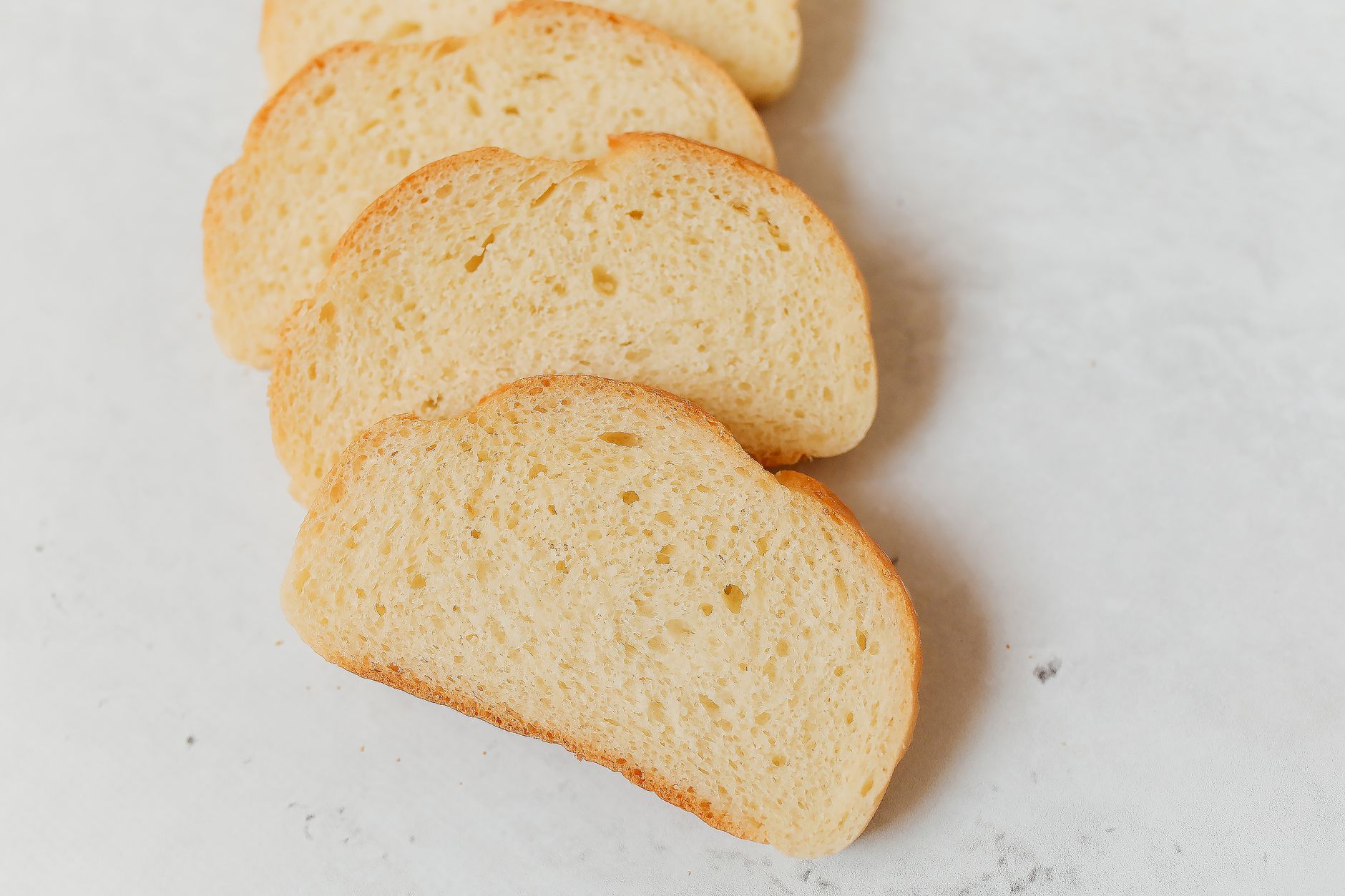
Bread is a staple food enjoyed by many around the globe, often found on dining tables as part of breakfast, lunch, or dinner. One question that often arises is whether bread is classified as a starch. Understanding this classification can help with meal planning, dietary choices, and ingredient substitutions.
This article delves into the composition of bread, its uses, and implications for meal preparation, answering the question, “Is bread a starch?” along with providing practical information about cooking, serving, and selecting bread.
Is Bread A Starch?
Yes, bread is considered a starch as it is primarily made from flour, which is high in carbohydrates. Starches are complex carbohydrates that consist of long chains of glucose molecules and are commonly found in various grains, including wheat, from which most bread is made. This article will explore what makes bread a starch and how it fits into broader dietary contexts.
Understanding Starch and Its Role in Bread
Starches are essential carbohydrates that serve as significant sources of energy in human diets. When consumed, starches are broken down into glucose, which the body uses for energy. There are two main types of starch: amylose and amylopectin. Both types are found in bread but in varying proportions depending on the flour used.
When flour is mixed with water and kneaded, gluten proteins develop, giving bread its structure and chewy texture. The starch molecules present in flour help to absorb moisture during baking, contributing to the bread’s final texture and flavor.
The Components of Bread
To fully appreciate why bread is a starch, it’s helpful to break down its main components:
- Flour: The primary ingredient, typically made from wheat, contains starch as its main carbohydrate.
- Water: Plays a crucial role in dissolving and activating the flour components, including starch.
- Yeast: A microorganism used to leaven bread by producing carbon dioxide through fermentation, creating air pockets in the dough.
- Salt: Enhances flavor and controls yeast activity.
- Fats: Often included in recipes, such as butter or oil, which can affect the texture and flavor of the bread.
Types of Bread and Their Starch Content
There are numerous types of bread, each with varying starch content based on the ingredients used and the preparation methods. Here are some common types:
White Bread
Made from refined wheat flour, white bread has a high starch content but is relatively low in fiber. The refining process removes the bran and germ, which also takes away many nutrients.
Whole Wheat Bread
Whole wheat bread incorporates the entire wheat kernel, resulting in higher fiber and nutrient levels compared to white bread. Although it is still high in starch, the presence of whole grain provides additional health benefits.
Sourdough Bread
This bread is made through a natural fermentation process that utilizes wild yeast and lactic acid bacteria. Sourdough may have a slightly lower starch content as the fermentation process breaks down some carbohydrates, making it easier to digest for some people.
Gluten-Free Bread
These breads are made with alternative flours such as almond, coconut, or rice flour. Although they vary in starch content, many gluten-free options are still rich in carbohydrates and serve as good energy sources.
The Uses of Bread in Cooking and Meal Planning
Bread is incredibly versatile in the kitchen. Understanding its starch content and properties can aid in how you utilize bread in meals:
Breakfast Ideas
- Toast: Slices of bread can be toasted and topped with butter, jam, or avocado for a quick breakfast.
- Sandwiches: Bread is the base for a multitude of sandwich fillings, making it an ideal breakfast (or any meal) option.
- Pancakes and French Toast: Leftover bread can be transformed into pancakes or French toast, utilizing its starchy nature to hold different fillings and textures.
Lunch and Dinner Applications
In lunch and dinner meals, bread can serve multiple functions:
- Side Dish: Accompanying soups or salads, bread serves as a filling side that helps soak up liquids and adds texture.
- Main Course: From sandwiches to bread bowls for soups, bread can be the main component of the meal.
- Stuffing: For special occasions, stale bread can be used to create stuffing, where starches absorb flavors from other ingredients.
Snacks and Light Meals
- Croutons: Leftover bread can be cubed, seasoned, and toasted for homemade croutons that add crunch to salads.
- Breadsticks: A quick snack that can pair with dips or spreads, breadsticks provide a satisfying crunch.
- Bruschetta: Toasted bread topped with fresh tomatoes or other toppings serves as a simple and flavorful appetizer.
Choosing the Right Bread
When selecting bread for your needs, consider factors such as dietary restrictions, texture preferences, and meal applications. Here are some tips:
Consider Nutritional Benefits
Whole grain varieties often provide more fiber, vitamins, and minerals compared to white bread. Read labels for added ingredients, and aim for options with minimal preservatives.
Check for Freshness
Choosing fresh bread can significantly affect your final dish. Consider purchasing from local bakeries, which often offer freshly baked options. If buying pre-packaged, check the sell-by date.
Starch Levels and Digestibility
If you’re watching your carbohydrate intake, opt for whole-grain breads that provide higher fiber content alongside starch. Sourdough might be a better option for those seeking easier digestibility due to the fermentation process.
Practical Ingredient Substitutions
If you find yourself without bread or needing a substitute, there are various options depending on your dietary needs:
Bread Substitutions
- Tortillas: Can substitute for wraps or flatbreads; consider whole grain or corn options.
- Lettuce Leaves: Great for low-carb options when making wraps.
- Cauliflower Bread: Alternative for gluten-free and low-carb diets, typically made from finely chopped cauliflowers, eggs, and cheese.
Tips for Using Substitutes
When using substitutes, consider modifications in flavor and texture. For example, using lettuce leaves will yield a crisp, refreshing bite rather than the soft chewiness of traditional bread.
Serving and Storage Tips
The way you store bread can significantly affect its shelf life and freshness. Here are some practical tips for serving and storing bread:
Serving Suggestions
Serve bread with an assortment of spreads such as hummus, butter, or jams, and pair with soups or salads for well-rounded meals. For special occasions, warm bread right before serving to enhance flavor.
Storage Recommendations
- Room Temperature: Store bread in a cool, dry place for up to 3 days; avoid refrigerating, as this can lead to staleness.
- Freezing: For longer storage, wrap bread tightly in plastic wrap and freeze. Thaw at room temperature or toast directly from frozen.
- Reviving Stale Bread: To restore texture, spritz stale bread lightly with water and reheat in the oven at 350°F (175°C) for about 10 minutes.
Common Mistakes and Troubleshooting
Here are some common pitfalls when working with bread and how to avoid them:
Overworking the Dough
Kneading bread for too long can develop excess gluten, leading to dense and tough bread. Aim for just enough kneading to achieve elasticity without overworking.
Skipping Proofing
Not allowing dough to rise fully can result in dense bread. Always ensure the dough has doubled in size during proofing, usually taking 1-2 hours in a warm environment.
Not Measuring Ingredients Accurately
Improperly measuring flour can affect the dough’s consistency. Use weighing scales for accuracy, especially when baking bread. One cup of flour can vary in weight depending on how it’s measured.
Health Considerations and Dietary Preferences
For those with specific dietary preferences or restrictions, there are many considerations when it comes to bread:
Gluten-Free Options
Those with celiac disease or gluten sensitivity should look for certified gluten-free breads. These can usually be found at health food stores or specialty bakeries.
Low-Carbohydrate Diets
If following a ketogenic or low-carb diet, consider consuming lower-starch options like cauliflower bread or cloud bread, which maintain flavor while reducing carbohydrates.
Conclusion
Bread is indeed a starch, serving as a versatile ingredient in a variety of meals. Understanding its nutritional properties, how to select the right type, and knowing practical tips for utilizing it in cooking can significantly enhance your meal planning. As you explore different breads, you can enjoy the cultural traditions, textures, and flavors that this ancient food has to offer.
To learn more about delicious ways to incorporate bread into your meals, check out our Honey Wheat Bread Recipe or try your hand at an Einkorn Bread Recipe.