
Fasting is a practice embraced for various reasons, including spiritual, health, and weight management benefits. However, during fasting periods, selecting the right foods can be crucial for maintaining energy and ensuring adequate nutrition. While many people believe fasting means abstaining from all food, there are specific foods and drinks you can consume that won’t break your fast, allowing you to stay nourished.
This article explores various foods you can eat while fasting, along with practical serving tips and nutritional guidance. Understanding these options will help you navigate your fasting journey while still feeling satisfied and energized.
What Foods Can You Eat While Fasting?
When fasting, it is essential to choose foods that provide nourishment without significantly affecting your fasting state. Generally, you can consider the following categories:
- Low-calorie beverages
- Foods high in fiber
- Foods rich in healthy fats
- Small portions of protein
Low-Calorie Beverages
Beverages can be an excellent way to consume essential nutrients while keeping your calorie intake low during fasting. Here are some options:
Water
Water is the most crucial beverage to consume while fasting. It has no calories and helps keep you hydrated. Consider adding lemon or lime for flavor without breaking your fast.
Herbal Teas
Herbal teas, like peppermint or chamomile, can be enjoyed without adding calories. They provide a flavorful alternative to plain water and may offer additional benefits, such as digestive support.
Black Coffee
Plain black coffee is another popular choice during fasting periods. It’s low in calories and can provide an energy boost, which is beneficial during fasting. Avoid adding sugar or cream to keep it calorie-free.
Foods High in Fiber
Foods rich in fiber can help you feel full and satisfied while providing essential nutrients. Here are some fiber-rich options that may be consumed in moderate quantities:
Chia Seeds
Chia seeds are an excellent source of soluble fiber. They can absorb water, expanding in your stomach and helping you feel full. You can incorporate chia seeds into your fasting routine by consuming them in small amounts.
Serving Tip:
Consider adding chia seeds to a glass of water or herbal tea. Let them soak for about 10 minutes before consuming, creating a gel-like texture that is easy to drink.
Vegetables
Non-starchy vegetables are low in calories and high in fiber. Options such as celery, cucumber, and leafy greens can be consumed in small quantities while fasting.
Serving Tip:
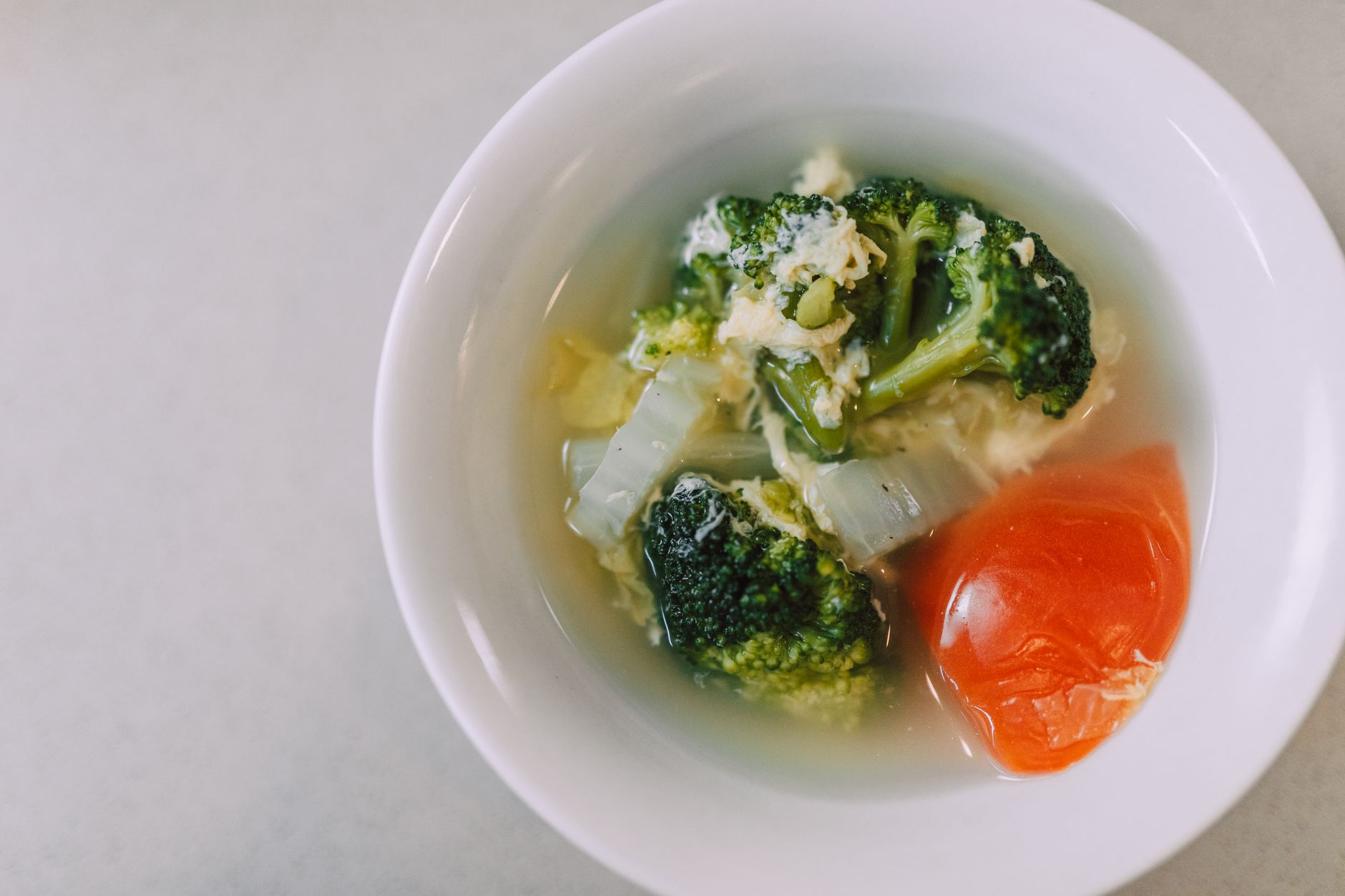
Snack on raw vegetables or prepare a vegetable broth for more flavor. Just ensure you are limiting the portion size to keep calorie counts low.
Foods Rich in Healthy Fats
Healthy fats can be satisfying and provide energy for your body during fasting. Choose them wisely to avoid breaking your fast:
Avocado
Avocado is rich in healthy monounsaturated fats along with fiber. Although caloric, a small amount can offer satiety without significantly disrupting your fast.
Serving Tip:
Enjoy a few slices of avocado plain or add them to a small salad with leafy greens.
Nuts and Seeds
Almonds, walnuts, and pumpkin seeds are nutrient-dense foods that provide healthy fats and protein. Consume them in moderation to avoid excess calorie intake.
Serving Tip:
A small handful (about a quarter of an ounce) is an ideal serving size to keep calories in check.
Small Portions of Protein
When needing additional sustenance, introducing minimal protein can help maintain muscle mass without drastically affecting your fast:
Hard-Boiled Eggs
Hard-boiled eggs are a great source of complete protein. If consumed in moderation, these can provide essential amino acids.
Serving Tip:
One egg can be a satisfactory addition to your fasting routine. Pair it with some non-starchy vegetables for extra nutrients.
Greek Yogurt
Low-fat or plain Greek yogurt can also be a clever choice due to its high protein content and probiotics. However, it should be kept to small servings.
Serving Tip:
A couple of tablespoons can be consumed alongside a sprinkle of chia seeds for added fiber.
Foods to Avoid While Fasting
While there are several foods you can eat during fasting periods, it’s equally important to know which ones to avoid:
- High-sugar foods: Foods that are high in sugar can disrupt insulin levels.
- Processed foods: Items like chips or sugary snacks often lead to quick energy crashes post-fasting.
- Starchy carbs: Foods containing white flour or high amounts of carbs can cause spikes in blood sugar.
Planning Your Fasting Meals
Meal planning can greatly enhance your fasting experience by ensuring you have nourishing and satisfying food options that comply with your fasting goals. Consider these practical tips:
Balance Your Nutrition
Include a variety of nutrient-dense foods that provide fiber, healthy fats, and proteins. Try to avoid getting too fixated on food restriction; focus instead on what gives your body the most nutritional benefit.
Timing and Portions
Pay attention to meal timing and portion sizes to ensure you stay within your caloric limits during eating windows. Consider using measuring cups or a food scale to keep portions accurate.
Experiment with Intermittent Fasting
If you are exploring intermittent fasting, try different eating windows, such as 16:8 (eating within an eight-hour window) or alternate-day fasting, to see what works best for your lifestyle.
Common Mistakes While Fasting
While fasting can be beneficial, common mistakes may hinder your experience:
Overeating During Eating Windows
Some people overcompensate for fasting periods by indulging excessively during eating times, which can counteract the benefits of fasting.
Neglecting Hydration
Staying hydrated is fundamental. Many people forget to drink enough water or opt for calorie-laden drinks that can break their fast.
Ignoring Physical Signals
Always listen to your body. If you experience persistent hunger or discomfort, it may be time to reassess your fasting methods or food choices.
Storage and Preparation Tips
Proper food storage and preparation can enhance your fasting success:
Preparation
Batch-cook meals or snack items that fit within your fasting framework. Pre-prepare chia seed puddings or grab-and-go vegetables to ease your eating routine.
Storage
Use airtight containers to store prepared foods in the refrigerator. Ensure that perishable items, like yogurt or cooked eggs, are consumed within a few days to maintain freshness and safety.
A Sample Menu for Fasting Days
To help you better visualize how to incorporate these foods into your fasting, here’s a sample menu:
Sample Breakfast (after fasting)
- Greek yogurt with chia seeds and a handful of berries
- A glass of water or herbal tea
Sample Lunch
- Salad with leafy greens, sliced avocado, and a small handful of nuts
- Vegetable broth or herbal tea
Sample Snack
- Hard-boiled egg or a couple of slices of cucumber
- A glass of water with lemon
Sample Dinner (before fasting)
- Grilled chicken with steamed non-starchy vegetables
- A glass of water or herbal tea
Conclusion
Fasting doesn’t have to mean giving up all nutrition. By incorporating specified low-calorie foods, fiber-rich options, healthy fats, and small protein portions into your fasting regimen, you can maintain energy and nutrition throughout the period. Remember to stay attentive to your body’s signals and adjust your food choices accordingly for the best results.
To explore related recipes and cooking tips, check out our Chia Pudding Recipe and learn about the Benefits of Chia Seeds.