
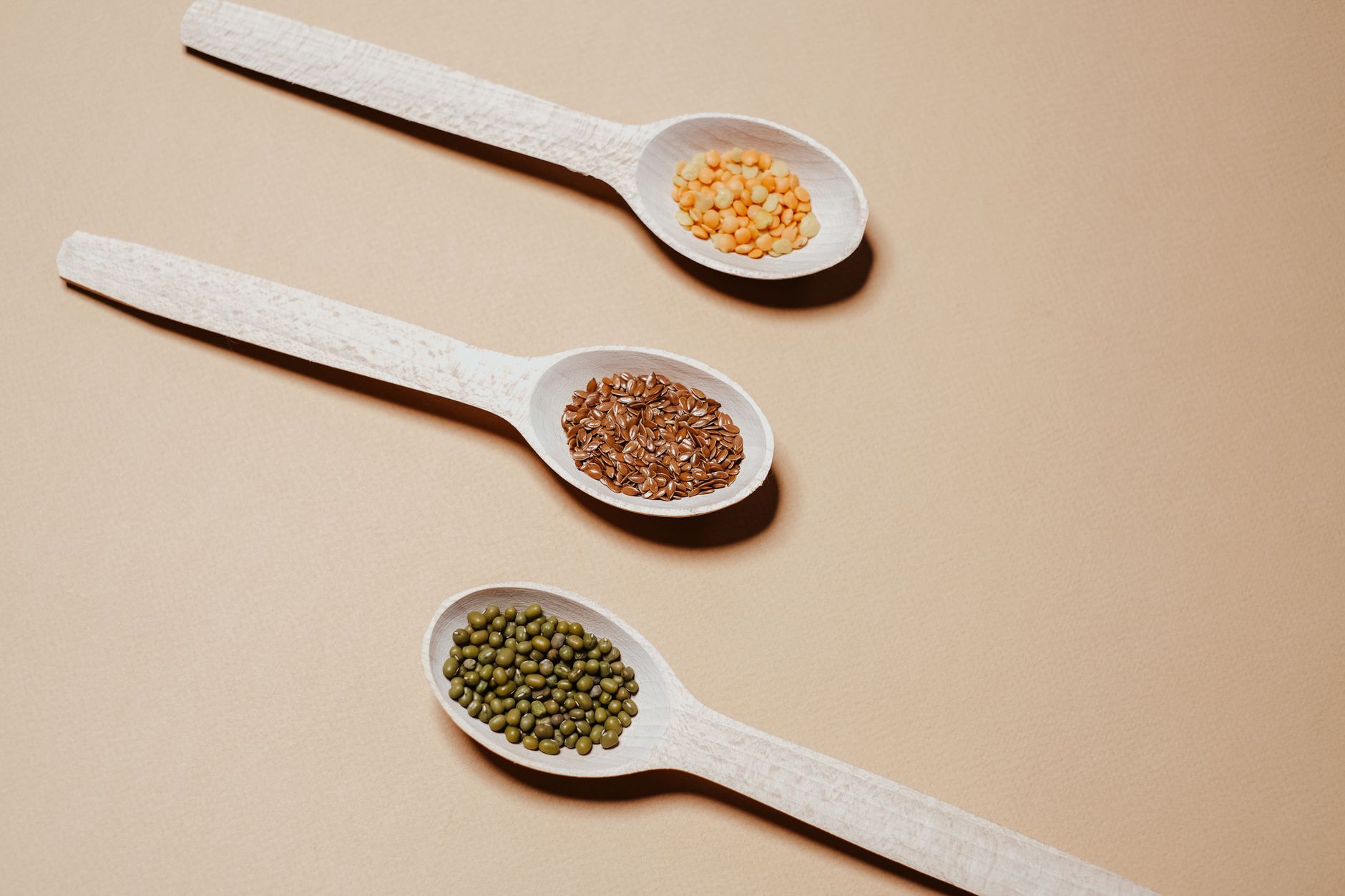
Seeds are often overlooked in our diets, yet they can pack a powerful protein punch. Incorporating protein-rich seeds into your meals can boost your overall protein intake, contributing to muscle maintenance, and enhancing satiety. This guide examines various seeds with the highest protein content, providing serving sizes, benefits, and culinary uses for each.
From sprinkling them on salads to blending into smoothies, seeds can enrich flavors and textures in numerous dishes. Whether you’re vegan, vegetarian, or just looking to diversify your protein sources, these seeds are an excellent addition to your pantry.
Which Seeds Have the Most Protein?
Several seeds are well-known for their high protein content, but a few stand out for their exceptional numbers. Here’s a look at some of the most protein-packed seeds available:
1. Hemp Seeds
Hemp seeds are among the top contenders when it comes to protein content. These tiny seeds provide a complete protein source, meaning they contain all nine essential amino acids.
- Protein per Serving: Approximately 10 grams of protein per 3 tablespoons (30 grams)
- Flavor Profile: Nutty and earthy with a mild flavor
Hemp seeds can be sprinkled over salads, added to smoothies, or mixed into oatmeal for extra protein and texture.
2. Pumpkin Seeds (Pepitas)
Pumpkin seeds, also known as pepitas, are not only rich in protein but also packed with iron, magnesium, and antioxidants.
- Protein per Serving: Approximately 9 grams of protein per 1 ounce (28 grams)
- Flavor Profile: Nutty and slightly sweet
These seeds can be roasted and enjoyed as snacks, incorporated into granola, or added to salads for a crunchy element.
3. Chia Seeds
Chia seeds are famous for their nutrient density, including Omega-3 fatty acids, fiber, and antioxidants, along with a noteworthy amount of protein.
- Protein per Serving: Approximately 4 grams of protein per 2 tablespoons (28 grams)
- Flavor Profile: Mild and can absorb flavors from other ingredients
Chia seeds are incredibly versatile and can be used to make puddings, added to smoothies, or sprinkled over yogurt and salads.
4. Flaxseeds
Flaxseeds are primarily known for their high fiber content and Omega-3 fatty acids, but they also provide a decent amount of protein.
- Protein per Serving: Approximately 6 grams of protein per 2 tablespoons (28 grams)
- Flavor Profile: Nutty with subtle sweetness
Ground flaxseeds can be added to baked goods, blended into smoothies, or used as an egg substitute in vegan recipes.
5. Sunflower Seeds
Sunflower seeds are not just a tasty snack; they are also packed with protein as well as healthy fats.
- Protein per Serving: Approximately 6 grams of protein per 1 ounce (28 grams)
- Flavor Profile: Mildly sweet and nutty
Add sunflower seeds to trail mixes, salads, or use them to create delicious sunflower seed butter.
6. Sesame Seeds
Sesame seeds have been used for centuries and are not only packed with protein but also contain a plethora of vitamins and minerals.
- Protein per Serving: Approximately 5 grams of protein per 3 tablespoons (30 grams)
- Flavor Profile: Nutty and slightly sweet
Sesame seeds can be used in recipes such as tahini, sprinkled on stir-fries, or added to baked goods.
7. Poppy Seeds
Poppy seeds may be small, but they hold their own when it comes to nutritional value, offering a decent amount of protein.
- Protein per Serving: Approximately 5 grams of protein per 2 tablespoons (28 grams)
- Flavor Profile: Slightly nutty with a hint of sweetness
Poppy seeds are commonly used in baked goods, salad dressings, and as a garnish.
Health Benefits of Protein-Rich Seeds
Incorporating protein-rich seeds into your diet offers numerous health benefits:
- Muscle Health: Protein supports muscle maintenance and growth, making these seeds vital for active individuals.
- Satiation: High-protein foods can keep you feeling fuller for longer, aiding in weight management.
- Nutrient Density: Many seeds are rich in essential vitamins, minerals, and healthy fats, supporting overall health.
- Heart Health: Several seeds, particularly flaxseeds and chia seeds, are high in Omega-3 fatty acids, promoting cardiovascular health.
How to Incorporate Seeds into Your Diet
Adding seeds to your meals can be simple and delicious. Here are some practical tips:
- Breakfast: Top your oatmeal or smoothie bowls with a mix of chia, hemp, and sunflower seeds.
- Salads: Add a handful of pumpkin, sesame, or sunflower seeds to enhance texture and taste.
- Baking: Include ground flaxseeds or chia seeds in muffins, breads, or pancakes for added nutrition.
- Snacks: Enjoy roasted seeds as a crunchy, healthy snack option.
- Dressings: Blend seeds into dressings or dips such as tahini or sunflower seed butter.
Storage Tips for Seeds
Proper storage of seeds can prolong their freshness and nutritional value:
- Cool and Dark: Store seeds in a cool, dark place, such as a pantry or refrigerator.
- Air-Tight Containers: Use air-tight containers to prevent exposure to moisture and air, which can lead to spoilage.
- Check Expiry Dates: Keep an eye on expiration dates, as seeds can lose their potency over time.
Common Mistakes When Using Seeds
While seeds are easy to incorporate into meals, here are some common pitfalls:
- Skipping Grinding: Some seeds, like flaxseeds, must be ground for the body to access their nutrients effectively.
- Overusing Unsalted Varieties: While unsalted seeds are healthier, they can lack flavor when used in certain dishes. Balance with seasonings.
- Neglecting to Soak: Soaking chia or flaxseeds can enhance digestion and make them easier to incorporate into recipes.
Practical Substitutions for Seeds
If you’re out of a certain type of seed or prefer not to use it, here are some common substitutions:
- Hemp Seeds: Substitute with chia seeds or pumpkin seeds.
- Flaxseeds: Use chia seeds (especially for binding) when baking.
- Sesame Seeds: Use sunflower seeds for similar flavor and texture effects.
- Pumpkin Seeds: Substitute with sunflower seeds for a milder taste in salads.
Conclusion
Seeds provide a nutrient-rich, protein-packed addition to any meal, supporting various dietary preferences and contributing to overall health. From hemp to chia, each seed offers unique flavors and benefits. Start incorporating them into your daily meals to enhance your protein intake effectively.
For further exploration of seeds, check out the benefits of chia seeds and learn how to soak chia seeds for optimal nutritional value.