
Ground turkey is a popular ingredient in many kitchens due to its versatility and lean protein profile. However, knowing when it has gone bad is crucial for food safety and the quality of your meals. Recognizing the signs of spoilage can prevent foodborne illnesses and ensure your dishes are enjoyable.
This article will delve into the specifics of what bad ground turkey smells like, as well as other signs of spoilage. Understanding these indicators will help you maintain a safe and tasty cooking environment.
What Does Bad Ground Turkey Smell Like?
Bad ground turkey typically has a sour, pungent smell. If the meat gives off an odor that is strong and unpleasant, it is a clear indicator of spoilage. Fresh ground turkey should have a mild, almost neutral odor, whereas spoiled turkey will smell distinctly off-putting and should be discarded immediately.
Understanding the Spoilage Process
Ground turkey can spoil due to microbial growth, which includes bacteria and molds that thrive on perishable foods. Here’s a brief overview of how spoilage occurs:
- Bacteria like Salmonella, Escherichia coli (E. coli), and Listeria can proliferate in ground turkey under the right conditions.
- These microorganisms can break down the proteins and fats in the meat, resulting in unpleasant odors and flavors.
- Oxidation can also occur, especially in ground turkey that has been improperly stored, leading to rancidity and off smells.
Signs of Spoilage Beyond Smell
While smell is a key indicator of spoilage, it’s important to consider other signs as well. Here are additional indicators that ground turkey has gone bad:
Color Changes
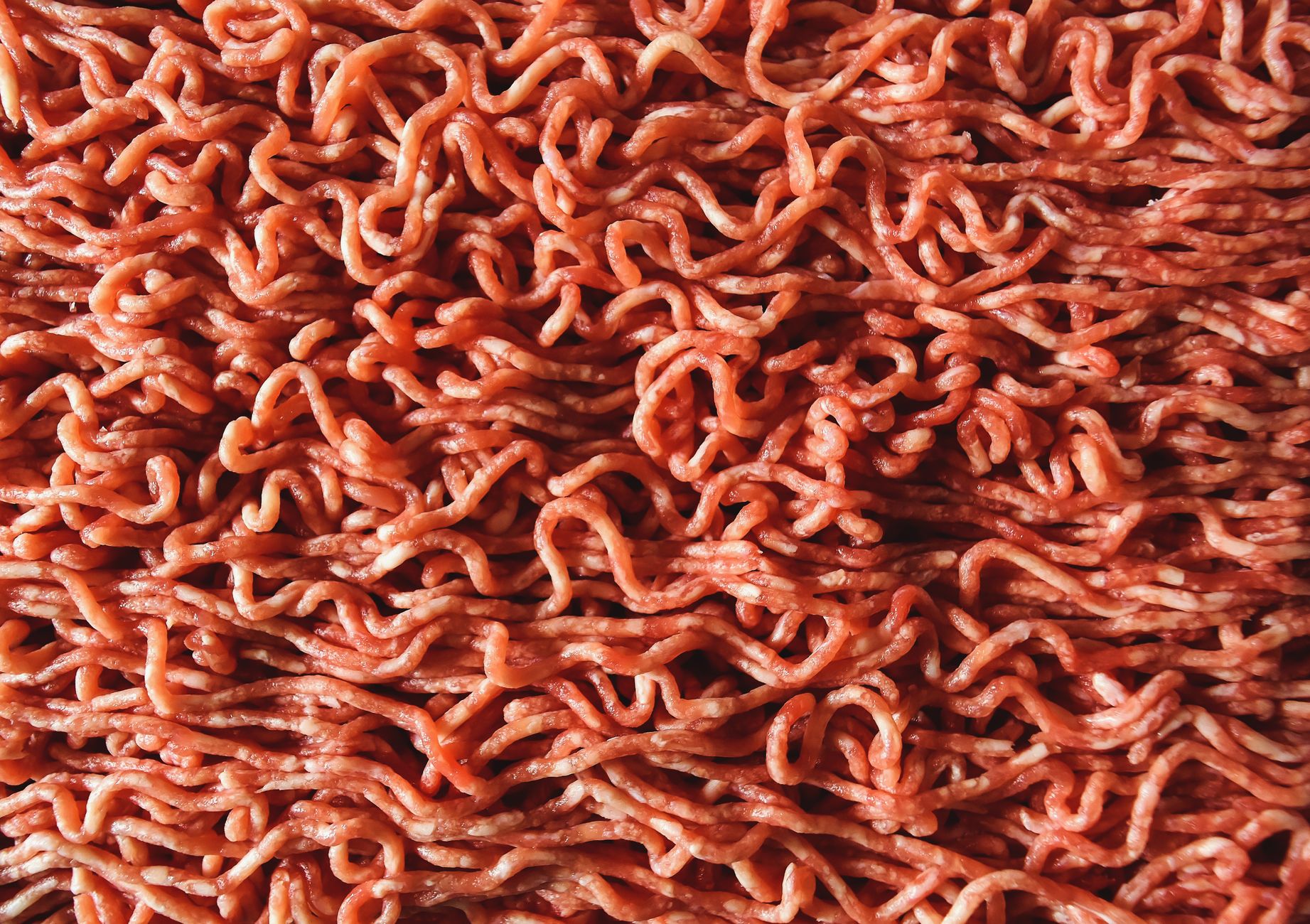
Fresh ground turkey is usually light pink and may have a slightly lighter color on the inside. If the meat appears gray or brown, it can indicate spoilage, although color changes alone aren’t definitive proof — some oxidation can occur without spoilage. However, it’s best to discard the meat if it has an unusual color combined with a bad smell.
Texture Changes
Good ground turkey should feel moist but not slimy. If the meat feels sticky or excessively slippery when touched, it is likely spoiled. Changes in texture are a strong signal that the meat is no longer safe to consume.
Expiration Dates
Always check the sell-by or use-by dates on the packaging. If the date has passed, the risk of spoilage increases. Ground turkey should generally be cooked or frozen within one to two days of purchase for optimal safety.
Storage Tips for Ground Turkey
Proper storage practices are essential to prolonging the freshness of ground turkey. Here are some effective strategies:
Refrigeration
- Store ground turkey in the coldest part of the refrigerator, ideally at or below 40°F (4°C).
- Keep it in its original packaging until ready to use, or transfer it to an airtight container to reduce exposure to air and moisture.
- This can help extend its shelf life for one to two days.
Freezing
- If you don’t plan to use ground turkey within a couple of days, it is best to freeze it.
- Wrap the meat tightly in plastic wrap or place it in a freezer-safe bag to prevent freezer burn.
- When properly frozen, ground turkey can last for 3 to 4 months without significant loss of quality.
Thawing
- When you are ready to use frozen ground turkey, thaw it in the refrigerator rather than leaving it at room temperature, which can promote bacterial growth.
- Ground turkey should be consumed or cooked within one to two days after thawing.
Cooking Ground Turkey Safely
Cooking ground turkey at the right temperature kills harmful bacteria. Here are key tips for cooking ground turkey safely:
Cooking Temperature
- Ground turkey should be cooked to an internal temperature of 165°F (74°C) as measured by a food thermometer.
- This ensures that any pathogens present will be destroyed.
Avoiding Cross-Contamination
- Always wash your hands, utensils, and surfaces after handling raw ground turkey to prevent cross-contamination.
- Use separate cutting boards for meats and other foods to further minimize risk.
What to Do If You Suspect Spoilage
If you suspect your ground turkey is spoiled, follow these guidelines:
- Dispose of the meat immediately. Don’t attempt to salvage spoiled ground turkey for any reason.
- Thoroughly clean any surfaces or utensils that came in contact with the spoiled meat to prevent cross-contamination.
Common Questions About Ground Turkey Spoilage
How can I tell if ground turkey is still good?
In addition to checking for an unpleasant smell, you can ascertain freshness by examining its color, texture, and the expiration date on the packaging.
What should I do if my ground turkey has a slight odor but is within the expiration date?
If the odor is not overpowering or sour, you might want to cook it to see if the smell dissipates. However, if there are texture changes or it seems off, it’s better to err on the side of caution and discard it.
Tips for Buying Quality Ground Turkey
When shopping for ground turkey, consider these tips for selecting the best quality meat:
Choose Fresh Products
- Purchase ground turkey from a trusted source where you know they practice good hygiene standards.
- Look for a product that is packed tightly — loose packaging may suggest the meat has been handled multiple times.
Mind the Additives
- Check labels to avoid additives or fillers such as sodium or starch, which can alter the flavor and texture.
- Opt for lean or extra-lean ground turkey if you want a healthier option.
Buy in Smaller Portions
- Consider purchasing smaller packages or using a butcher shop where you can get the exact amount you want.
- This helps ensure you’re using the turkey while it’s still fresh.
Storing Leftovers
If you’ve cooked ground turkey and have leftovers, proper storage is key to maintaining freshness:
Refrigeration
- Store cooked ground turkey in an airtight container within two hours of cooking.
- It can be safely refrigerated for 3 to 4 days.
Freezing Leftovers
- For longer storage, freeze cooked ground turkey in portions. It retains quality for up to 4 months.
- Label your containers with the date to keep track of how long they have been stored.
Final Thoughts on Ground Turkey Safety
Understanding how to recognize bad ground turkey is essential for food safety and enjoying your meals. Always trust your senses—if something seems off or smells bad, it is better to be safe than risk foodborne illness.
Proper handling, cooking, and storage practices can significantly reduce the risk of spoilage. Make ground turkey a valuable part of your cooking repertoire by ensuring you always start with fresh, safe ingredients.
For more information about safe meat handling and storage, explore these guides on ground beef freshness and chicken spoilage: ground beef storage and chicken spoilage indicators.