
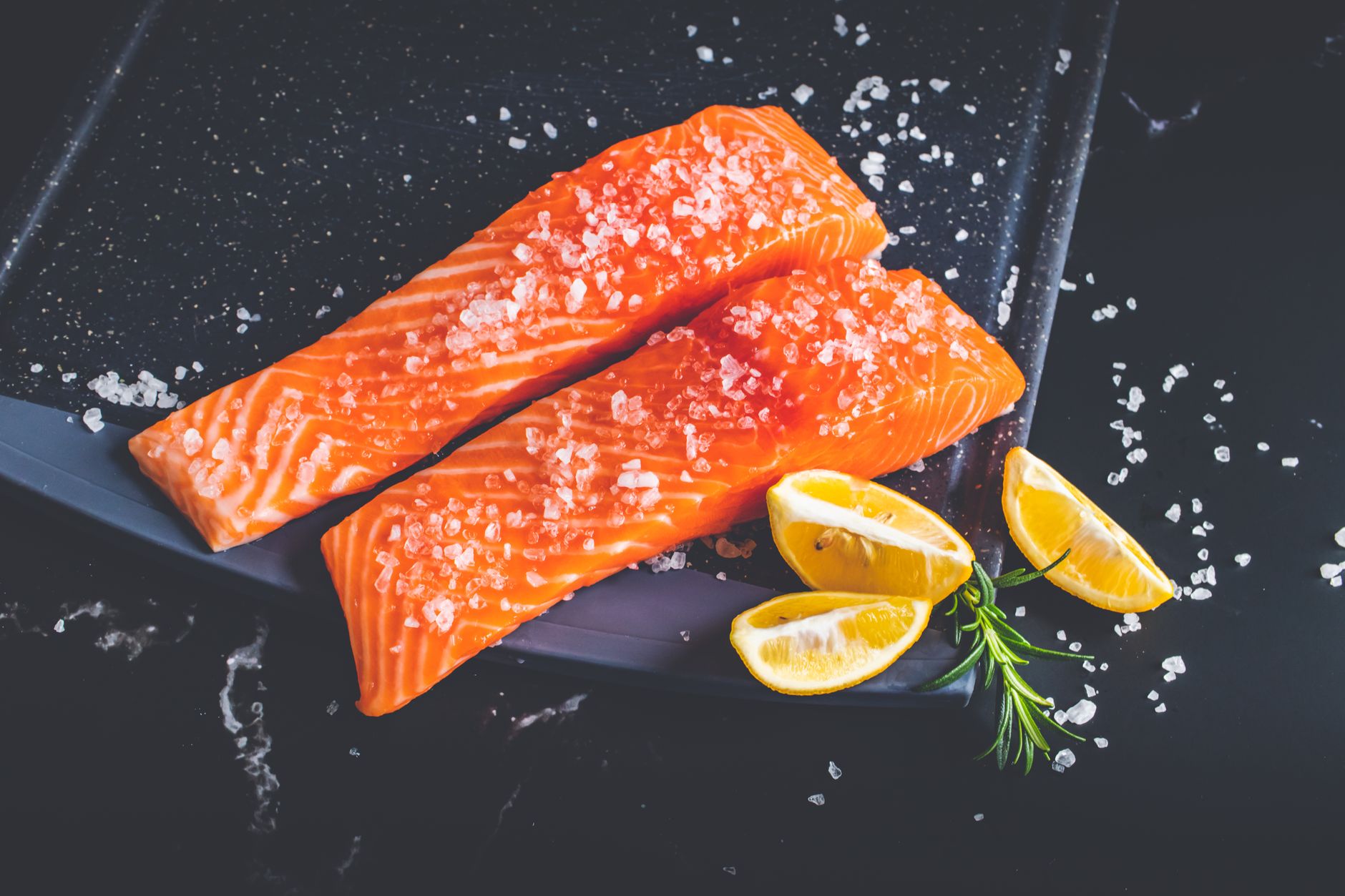
Choosing the right type of salmon can significantly influence your meal’s flavor, nutrition, and overall culinary experience. With several varieties available, understanding their distinct characteristics will help you decide which is best suited for your needs.
This guide offers a comprehensive look into the types of salmon, their uses in the kitchen, and practical buying tips that will enhance your salmon selection process. Whether you’re planning a dinner party or a casual weeknight meal, knowing which salmon to choose will elevate your dish.
Which Salmon Is Best?
The best salmon depends on your culinary preferences and intended use. Wild-caught salmon, such as Sockeye and Coho, often has a richer flavor compared to farmed varieties like Atlantic salmon. For health-conscious consumers, wild-caught options are generally lower in fat and higher in Omega-3 fatty acids.
Types of Salmon
Understanding the types of salmon available is crucial for selecting the best one for your meal. Here are the most common types of salmon you’ll encounter:
- King Salmon (Chinook): Known for its high-fat content and rich flavor, King salmon is often regarded as the crème de la crème of salmon. It’s typically found in the Pacific Ocean and has a high omega-3 content.
- Sockeye Salmon: Recognized for its vibrant red color and robust flavor, Sockeye salmon is popular for grilling and baking. It has moderate fat content and is often wild-caught.
- Coho Salmon: Coho salmon is milder in flavor compared to King or Sockeye but still offers a pleasant taste. It’s versatile and well-suited for various cooking methods. Coho salmon is also available in both wild and farmed varieties.
- Atlantic Salmon: Most Atlantic salmon is farmed and has a lighter flavor compared to wild varieties. While it has a high-fat content, it’s often less expensive and widely available in grocery stores.
- Pink Salmon: This is the most abundant species but has a milder flavor and lower fat content. Pink salmon is often used in canned products and is more affordable.
- Chum Salmon (Keta): Chum salmon is less fatty than other types and has a slightly sweet flavor. It’s commonly used for smoked salmon and is often found in commercial products.
Flavor and Texture Profiles
Each type of salmon has its unique flavor and texture. The rich, buttery taste of King salmon makes it ideal for grilling and raw preparations, while the firmer texture of Sockeye works well for searing. Here’s a quick overview:
- King Salmon: High-fat, juicy, and buttery.
- Sockeye Salmon: Robust, creamy texture with vibrant color.
- Coho Salmon: Slightly milder, with a moderately firm texture.
- Atlantic Salmon: Mild flavor with a buttery consistency.
- Pink Salmon: Delicate, light flavor, and mushy texture when cooked.
- Chum Salmon: Milder with a slightly firmer texture.
Kitchen Uses for Each Type of Salmon
Knowing how to use each type of salmon in cooking can help you make a more informed choice. Here’s a breakdown of the best applications for each type:
King Salmon
King salmon is perfect for grilling, broiling, or pan-searing due to its high-fat content. Its richness also makes it an excellent choice for sushi or sashimi.
Sockeye Salmon
Ideal for baking, grilling, or smoking, Sockeye can stand up to strong flavors and pairs well with herbs and spices.
Coho Salmon
Coho salmon’s versatility makes it suitable for multiple cooking methods, including broiling, poaching, or in fish cakes.
Atlantic Salmon
Great for everyday meals, Atlantic salmon can be baked, broiled, or pan-fried. It’s a standard in many family-friendly recipes.
Pink Salmon
Often found in cans, Pink salmon is excellent for salads, spreads, or adding protein to pasta dishes.
Chum Salmon
Chum salmon is excellent for smoked applications due to its firmer texture. It can also be used in soups and stews.
Buying Tips for Salmon
When purchasing salmon, keep the following tips in mind to ensure you choose the best quality:
Wild-Caught vs. Farmed
- Wild-Caught: Generally has better flavor and is considered more sustainable. Look for sustainability certifications when shopping.
- Farmed: Usually more affordable but can contain higher levels of fat and preservatives. Check the source and opt for responsibly farmed options.
Freshness Indicators
When buying fresh salmon, consider these factors to ensure its freshness:
- The flesh should be firm and moist.
- Look for a vibrant color without any browning or discoloration.
- The skin should be shiny and metallic.
- Check for a fresh sea-like smell; it should not smell fishy.
Frozen Salmon
Frozen salmon can be a great option as it is often flash-frozen at peak freshness. Look for vacuum-sealed packaging to preserve quality.
Cooking Techniques for Salmon
There are numerous ways to cook salmon, each method enhancing its unique flavors. Here are some popular techniques:
Grilling
Grilling salmon provides a delicious smoky flavor. Use a grill basket or foil to keep the fish from falling apart. Preheat the grill and cook for about 6–8 minutes per side, depending on thickness.
Baking
Baking salmon is straightforward and ideal for maintaining moisture. Preheat the oven to 375°F (190°C) and bake for 12–15 minutes, or until the internal temperature reaches 145°F (63°C).
Poaching
This gentle cooking method ensures moist and tender salmon. Submerge the fish in simmering broth or water with aromatics for about 10–15 minutes.
Searing
Searing salmon gives it a beautiful crust. Heat a skillet over medium-high heat, add oil, and sear skin-side down for 5–7 minutes, then flip and cook for another 3–5 minutes.
Smoking
Smoking salmon imparts a unique flavor, especially with wood chips like cedar or hickory. Use a smoker or stovetop smoker, cooking at a low temperature for several hours.
Common Mistakes and Troubleshooting
- Overcooking: Salmon can become dry when overcooked. Monitor cooking time closely and remove it from heat once it reaches 145°F (63°C).
- Not Properly Seasonal: Salmon benefits from seasoning. Use herbs, spices, or marinades to enhance its natural flavor.
- Ignoring Skin: Cooking with the skin on can help hold the salmon together and add flavor. Consider leaving it on during cooking.
Storage and Reheating Tips
Proper storage and reheating are essential for maintaining quality and safety:
Storage
- Fresh salmon should be cooked or frozen within 1–2 days of purchase.
- If freezing, wrap tightly in plastic wrap or foil, then place in an airtight container.
- Cooked salmon can be refrigerated for 3–4 days in an airtight container.
Reheating
To reheat salmon, place it in a preheated oven at 275°F (135°C) until warmed through. This method keeps it moist and tender.
Nutritional Considerations
Salmon is a highly nutritious fish, offering healthy fats, particularly Omega-3 fatty acids, which are crucial for heart health. However, the nutritional profile can vary significantly between wild and farmed varieties:
- Wild-Caught Salmon: Generally lower in calories and fat, higher in Omega-3s.
- Farmed Salmon: Higher in fat and calories, may contain contaminants like PCBs; however, it’s a good source of protein.
Conclusion
Selecting the right type of salmon ultimately depends on your taste preferences and cooking methods. Wild-caught salmon typically offers superior flavor and nutrition compared to farmed varieties. Understanding the different types, their culinary uses, and knowing how to buy and cook salmon can significantly elevate your meals.
Explore related recipes, cooking tips, or food guides to expand your kitchen skills with plenty of resources available on how to tell if salmon is bad and tips for cooking share-friendly tilapia for meals the family will love.