
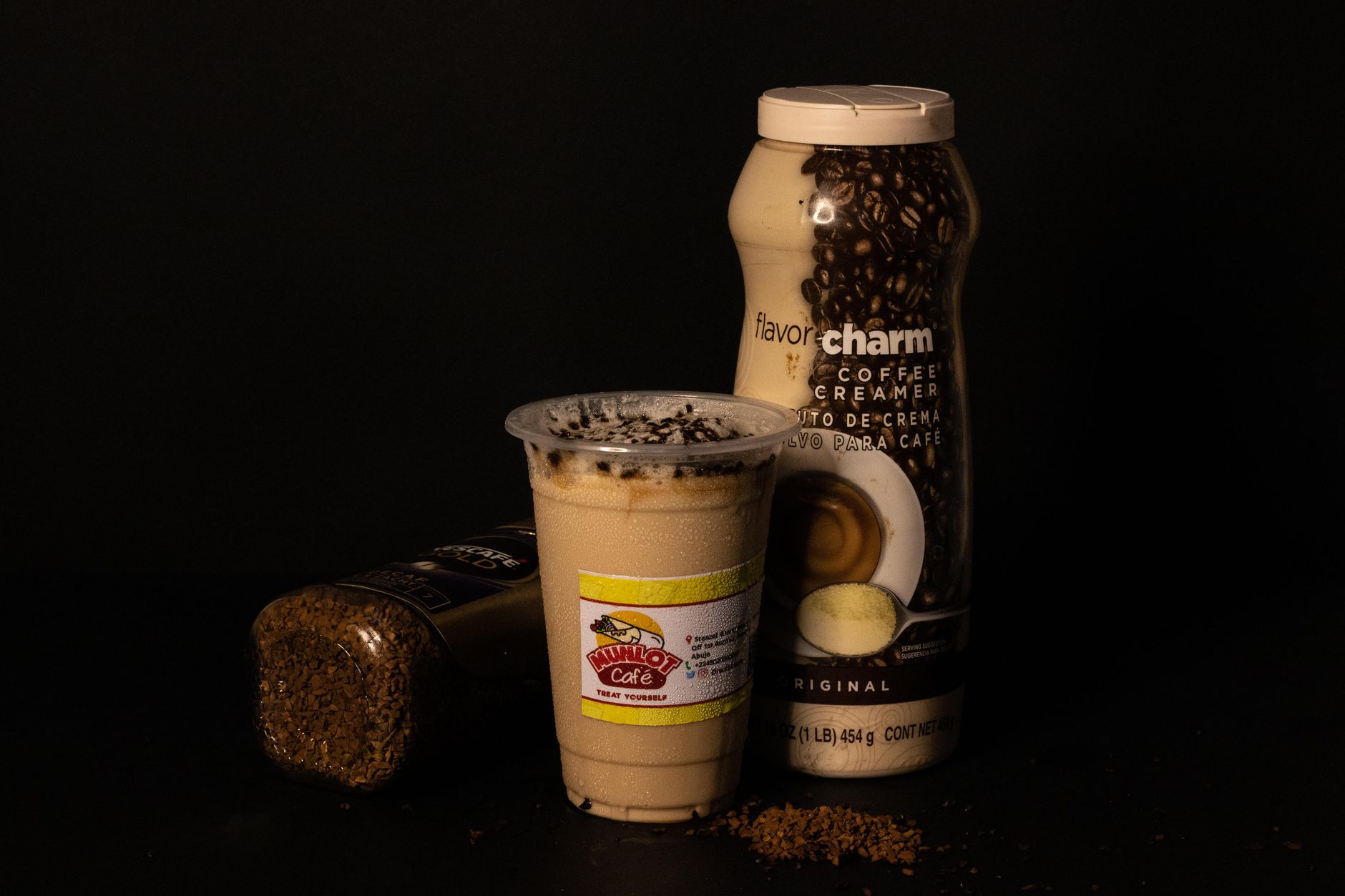
Coffee Mate creamer is a popular addition to many people’s morning routines, enhancing the flavor and creaminess of coffee. However, questions frequently arise about its health implications, nutritional content, and overall impact on a balanced diet. In this article, we will examine whether Coffee Mate creamer is bad for you, discussing its ingredients, portion sizes, and alternatives.
With an increasing awareness of dietary choices and their long-term effects on health, understanding the nutritional aspects of Coffee Mate creamer can help you make informed decisions. Let’s explore the components of this popular coffee enhancer and provide guidance on how to use it effectively without compromising your health.
Is Coffee Mate Creamer Bad for You?
Determining whether Coffee Mate creamer is bad for you depends largely on individual dietary needs, preferences, and consumption habits. While it contains artificial ingredients and sugars that may not align with everyone’s health goals, moderation and balance can allow it to be part of a healthy diet.
Nutritional Overview of Coffee Mate Creamer
Understanding the ingredients of Coffee Mate creamer can illuminate its nutritional value. Here’s a breakdown of what you might find in various Coffee Mate products:
- Sugar: Many formulations of Coffee Mate contain added sugars, which contribute extra calories and can affect blood sugar levels.
- Fat: Coffee Mate is often marketed as a non-dairy creamer, potentially using vegetable oils that may add saturated fats to your diet.
- Artificial Flavors and Colors: These components enhance taste and appearance but may not offer health benefits.
- Vitamins and Minerals: Some versions may be fortified with vitamins, such as Vitamin A and D, providing a small nutritional benefit.
Calories and Serving Size
A typical serving size for Coffee Mate creamer is one tablespoon, which contains approximately:
- 30 calories
- 1.5 grams of fat
- 5 grams of carbohydrates
- 3 grams of sugar
These numbers can vary slightly by flavor and type. Nonetheless, it’s important to note how quickly they can add up, especially if you drink multiple cups of coffee throughout the day. Monitoring your portions can help keep your sugar and calorie intake in check.
Health Concerns Related to Coffee Mate Creamer
While many enjoy Coffee Mate creamer in their daily routine, several health concerns warrant consideration:
1. Added Sugars
The recommended daily sugar intake differs based on various health organizations, but many point to a maximum of 25 grams for women and 36 grams for men. Since a single serving of creamer contains around 3 grams of sugar, those who frequently add it to their coffee can easily exceed these guidelines without realizing it. High sugar intake is linked to various health issues, including obesity and cardiovascular disease.
2. Artificial Ingredients
Artificial flavors and colors, while approved for consumption, do not contribute any nutritional benefits. Some people may also prefer to avoid these additives due to health preferences, potential allergies, or sensitivity. Consulting with a healthcare provider becomes essential if you experience adverse effects after consuming artificial ingredients.
3. Saturated Fats
Consuming high levels of saturated fats can raise cholesterol levels, increasing the risk of heart disease. Given that many coffee creamers contain these fats, it is prudent to monitor your overall intake if you include these products regularly in your diet.
How to Use Coffee Mate Creamer Responsibly
If you enjoy Coffee Mate but are concerned about its health impact, consider these strategies for responsible consumption:
1. Portion Control
Be mindful of your serving sizes. Reducing the amount of creamer in your coffee can help you maintain a balanced diet while still enjoying your favorite flavor.
2. Explore Alternative Options
Consider trying different types of creamers, such as almond or oat milk, which often have lower calories and added sugars. You can also look for sugar-free or low-calorie versions of Coffee Mate if you wish to reduce sugar intake.
3. Incorporate Natural Sweeteners
If sweetness is a must, consider natural alternatives like honey or maple syrup. These can add flavor with more nutritional value than processed sugars.
Alternatives to Coffee Mate Creamer
If you’re seeking healthier options to enhance your coffee experience, here are some alternatives to consider:
- Almond Milk: A popular dairy-free option that typically has lower calories and is often fortified with vitamins.
- Oat Milk: Known for its creamy texture, oat milk can lend itself to a rich coffee flavor while being naturally sweet.
- Coconut Milk: A flavorful and creamy alternative that can significantly enhance coffee’s taste profile.
- Homemade Creamer: You can create your own creamer by blending together milk, vanilla, and your choice of sweeteners for a fresh and healthy option.
Practical Tips for Healthier Coffee Consumption
In addition to exploring creamer alternatives, here are more practical tips to maintain a healthy coffee habit:
1. Limit Additional Calories
While enjoying Coffee Mate or any creamer, be cautious of other add-ins such as flavored syrups, whipped cream, or sugary coffee drinks. These extras can skyrocket the calorie count and negate any benefits of moderation.
2. Stay Hydrated
Sometimes people misinterpret thirst for hunger or cravings for sugar. Ensure adequate hydration to better understand your body’s needs and reduce overall sugar dependency.
3. Pair with Balanced Breakfasts
Incorporate your coffee routine within a balanced breakfast. Partner your coffee with high-fiber foods, healthy fats, or protein. A nourished body is less likely to crave sweetened coffee.
Addressing Common Misconceptions
There are several misconceptions about Coffee Mate and creamers in general that may impact consumption practices:
1. All Creamers Are Unhealthy
While many creamers contain added sugars and artificial ingredients, not all are inherently bad. It’s crucial to read the labels and choose brands that fit your dietary needs.
2. They Always Lead to Weight Gain
Moderate consumption does not automatically contribute to weight gain. It is the overall diet and lifestyle, including all food and beverage options, that determines weight maintenance.
3. Switching to Plant-Based Creamers is Enough
Switching to plant-based creamers can be beneficial but remains essential to monitor overall liquid calories and other dietary choices for balanced nutrition.
Conclusion
The answer to whether Coffee Mate creamer is bad for you ultimately depends on personal dietary preferences and habits. While it may not be the healthiest option due to its added sugars and artificial ingredients, moderation and balance can permit its inclusion in a well-rounded diet. Exploring alternatives and keeping portions in check can help you enjoy your coffee without compromising health.
For those looking to expand their breakfast offerings, consider trying out some nutritious recipes or alternative meal ideas that will complement your coffee routine. Explore our protein coffee recipe or dive into our creamy ramen recipe for delicious ways to kickstart your day!