
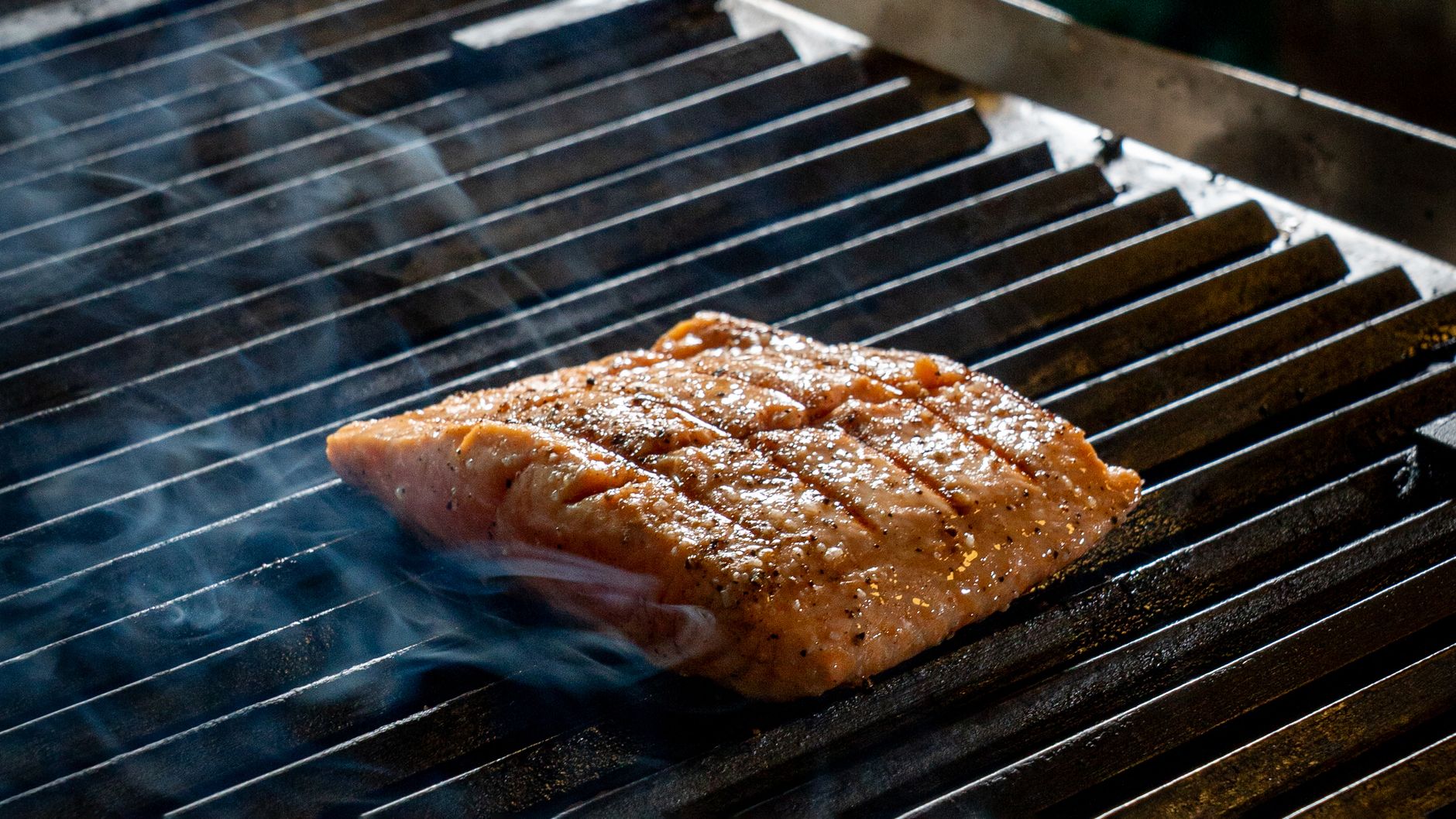
Salmon is not only a delicious and versatile fish but also a nutritional powerhouse. Understanding its calorie content and nutritional value can help you make informed choices whether you’re meal planning, looking to maintain a balanced diet, or simply trying to enjoy flavorful dishes. This guide will help you navigate the specifics of salmon, breaking down its calorie content, portion sizes, and nutritional benefits.
In this article, we will explore the various forms of salmon, how to calculate the calories based on different serving sizes, and delve into its rich nutritional profile. By the end, you’ll have a clearer understanding of how salmon can fit into your overall dietary goals.
How Much Calories Is Salmon?
The calorie content of salmon varies depending on factors such as the type (wild vs. farmed), cooking method, and serving size. On average, a 3-ounce (85-gram) serving of cooked salmon contains approximately 175-250 calories. This range can vary widely based on how the salmon is prepared and cooked.
Types of Salmon and Their Caloric Content
Salmon comes in several varieties, each with unique flavors and nutritional profiles. The most common types include:
- Atlantic Salmon: Mostly farmed, this is the most widely consumed type. A 3-ounce serving of cooked Atlantic salmon has about 233 calories.
- Sockeye Salmon: Known for its deep red color and rich flavor, sockeye has approximately 206 calories per 3 ounces when cooked.
- Coho Salmon: This type has a milder flavor and contains about 183 calories per 3-ounce cooked serving.
- Pink Salmon: Generally smaller and less fatty, pink salmon has around 168 calories for a 3-ounce cooked portion.
- Chinook Salmon: Also known as king salmon, this is the richest in fat and flavor, containing around 290 calories per 3-ounce cooked serving.
Portion Sizes and Caloric Estimates
Portion sizes play a crucial role in understanding the calorie content of salmon. While 3 ounces is a standard serving, many factors influence how much salmon you might consume in a single meal. Here’s how calories stack up based on different portion sizes:
| Type of Salmon | Serving Size | Calories |
|---|---|---|
| Atlantic Salmon | 3 oz | 233 |
| Sockeye Salmon | 3 oz | 206 |
| Coho Salmon | 3 oz | 183 |
| Pink Salmon | 3 oz | 168 |
| Chinook Salmon | 3 oz | 290 |
Cooking Methods and Their Effects on Calories
The cooking method significantly affects the calorie content of salmon. Here’s how common preparation techniques change caloric values:
Grilling
Grilling salmon typically retains most of its natural oils and flavors. A grilled 3-ounce portion of salmon retains its calorie count closely aligned with the raw values provided earlier.
Baking
Baking often requires adding oils, herbs, or marinades, which can increase the overall calorie count. Depending on the amount used, you can expect an increase of 50 calories or more.
Panfrying
Panfrying salmon with oil can significantly boost the calorie count. A basic pan-fried salmon portion can easily rise to around 300-350 calories, depending on the oil quantity used.
Smoking
Smoked salmon retains a similar calorie count to baked salmon but may contain additional sodium due to the curing process. A 3-ounce serving of smoked salmon often has about 210 calories.
Nutritional Value of Salmon
Beyond calories, salmon is a rich source of several key nutrients, making it a favorite among health-conscious eaters. Here’s a breakdown of what you’ll find in a standard 3-ounce serving of cooked salmon:
- Protein: Salmon is high in protein, providing about 22-25 grams, making it an excellent choice for muscle building and repair.
- Omega-3 Fatty Acids: Salmon is famous for its high omega-3 content, which is linked to heart and brain health.
- Vitamins: Salmon is rich in essential vitamins, including B vitamins (especially B12 and B6) and vitamin D.
- Minerals: It also contains potassium, selenium, and phosphorus, which are vital for various bodily functions.
How to Incorporate Salmon into Your Diet
Inserting salmon into your weekly meals can be simple and enjoyable. Here are some practical tips:
Meal Planning
When planning your meals, aim for at least two servings of fatty fish, like salmon, each week. You might consider these combinations:
- Grilled salmon with quinoa and steamed vegetables.
- Baked salmon with a side of brown rice and asparagus.
- Smoked salmon on whole-grain toast with avocado and tomatoes for breakfast.
Meal Prep Ideas
Salmon can be prepped safely and stored for later use. Consider the following:
- Cooked salmon can be stored in the fridge for 3-4 days.
- Freeze salmon portions for up to three months.
- Make salmon salads or patties that can serve as quick meals during the week.
Substitutions and Variations
If you are looking for alternatives to salmon, consider these options:
- Trout: Similar in taste and nutrition, trout can be a great substitute.
- Tilapia: A milder fish with fewer calories, great for those seeking lighter options.
- Canned Salmon: An affordable alternative that retains many of the same nutritional benefits.
Common Mistakes to Avoid When Cooking Salmon
To ensure your salmon is both delicious and nutritious, keep these points in mind:
- Avoid overcooking: Salmon can dry out quickly; cook until it is just opaque.
- Watch the additives: Be cautious with oils and sauces that could elevate calorie counts significantly.
- Check for bones: Ensure you remove any pin bones before cooking for a more pleasant eating experience.
Storage and Reheating Guidance
Proper storage of salmon is essential to maintain its quality and ensure food safety. Here’s how:
- Refrigeration: Store cooked salmon in an airtight container and eat within 3-4 days.
- Freezing: Freeze uncooked salmon if you’re not planning to use it within a couple of days. Wrap it tightly in plastic wrap and aluminum foil.
- Reheating: Reheat leftovers gently in the oven or microwave to avoid drying it out.
Conclusion
Understanding the caloric content of salmon and how to incorporate it into your diet can lead to better meal choices and a healthier lifestyle. As you explore different types of salmon and cooking methods, remember to consider portion sizes and overall nutritional value. With proper planning, salmon can be a delicious and nutritious part of your weekly meals.
For more tips on food safety, check out our guide on how to tell if salmon is bad. You might also be interested in trying our salmon loaf recipe for a convenient meal option!