
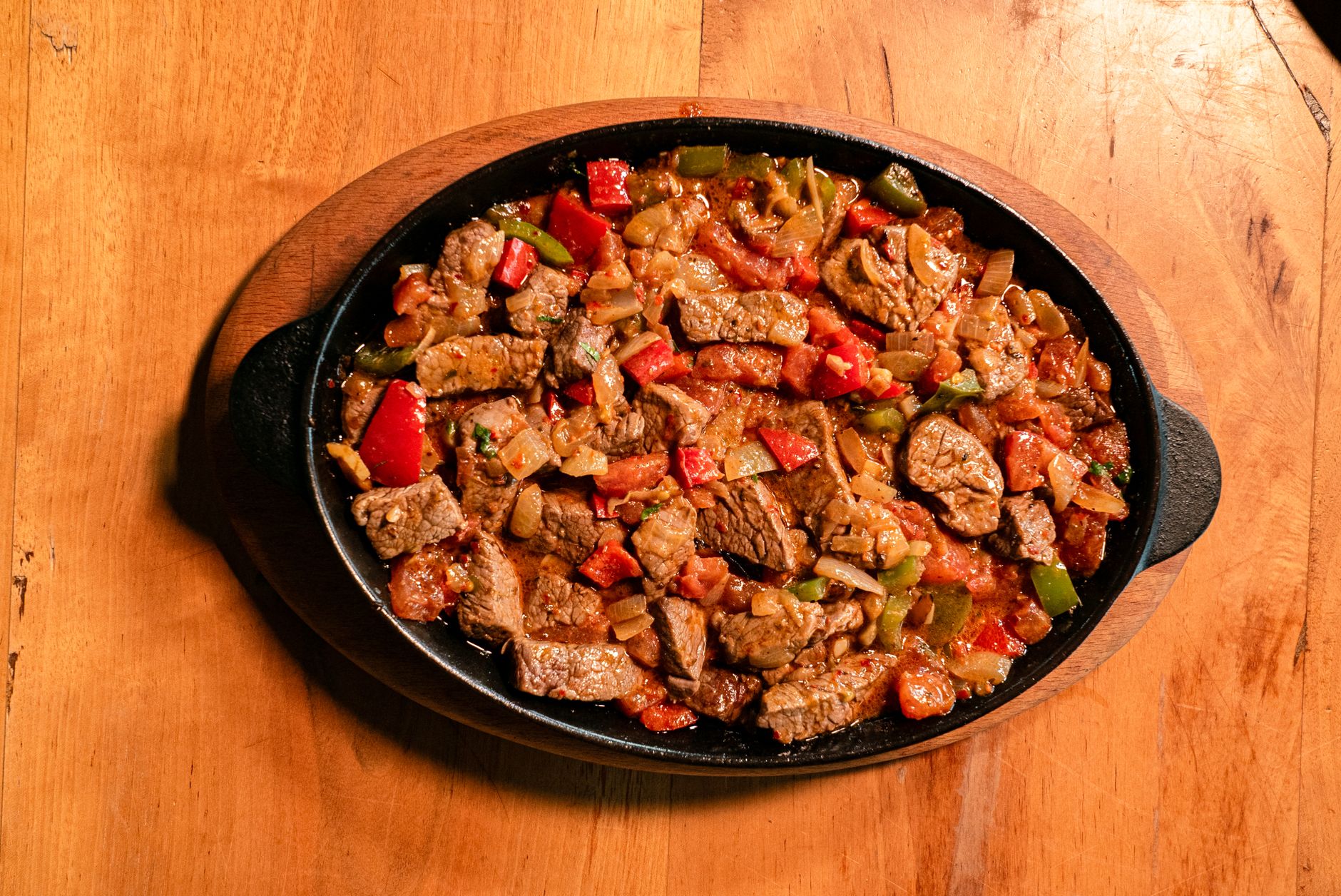
Understanding heat levels in cooking is essential for achieving the perfect dish. Many cooking instructions refer to “medium-high heat,” but what exactly does that mean? This article will break down what constitutes medium-high heat, its uses in cooking, and tips to make the most of this heat level.
By the end of this guide, you’ll have a solid grasp of medium-high heat and how to apply it in your cooking. Whether sautéing vegetables, searing meats, or preparing sauces, proper heat management will elevate your culinary skills.
What Is Considered Medium High Heat?
Medium-high heat typically ranges from about 375°F to 450°F (190°C to 232°C). This heat level is ideal for cooking methods that require a balance of speed and control, such as searing, sautéing, and stir-frying. In practical terms, it’s when you can see a bit of shimmer on the surface of the oil in your pan, and it produces a pleasant, sizzling sound when you introduce your ingredients.
Uses of Medium High Heat
Medium-high heat is versatile and often used in various cooking techniques. Let’s explore a few common methods where this heat level shines:
Searing
Searing is a technique used to develop a flavorful crust on meats. This method requires a hot surface to create the Maillard reaction. When you add meat to a pan heated to medium-high, it will quickly develop a nice brown color without overcooking the inside.
Sautéing
Sautéing involves cooking food quickly in a small amount of fat over medium-high heat. It’s perfect for vegetables like bell peppers, onions, and leafy greens, allowing them to retain texture and vibrancy while achieving a bit of caramelization.
Stir-Frying
In stir-frying, ingredients are cooked quickly in a wok or frying pan over high heat while being continuously stirred. Medium-high heat is often the sweet spot for achieving tender-crisp vegetables and perfectly cooked proteins in this method.
Reducing Sauces
When making sauces, achieving the right concentration of flavors often involves reducing liquids. Medium-high heat can help evaporate the excess liquid faster while allowing the flavors to meld beautifully.
How to Identify Medium High Heat
Identifying medium-high heat can be subjective and depends on your stove and the type of cookware you are using. Here are some cues to know that you’re at the right temperature:
- Visual Cues: Look for a shimmering effect in the oil; it shouldn’t be smoking but should be hot enough to quickly cook food without burning it.
- Sound: When food makes a gentle sizzling sound upon contact with the pan, you’re in the medium-high range.
- Time to Heat: On a stovetop, it typically takes around 5-7 minutes to reach medium-high heat, depending on the type of stove.
- Water Test: Sprinkling a few drops of water into the pan should cause them to dance and evaporate quickly without leaving a residue.
Essential Cooking Equipment for Medium High Heat
Having the right kitchen equipment can help you achieve and maintain medium-high heat effectively:
- Skillets and Frying Pans: Heavy-bottomed skillets or frying pans made of materials like cast iron or stainless steel hold heat well, making them suitable for medium-high cooking.
- Woks: A good wok is designed for high-heat cooking and is perfect for stir-frying.
- Instant-Read Thermometer: Use this to check internal temperatures of meats ensuring proper cooking.
- Spatula or Wooden Spoon: Essential for stirring and flipping food without scratching your cookware.
Common Mistakes and Troubleshooting
Even seasoned cooks can make mistakes when it comes to heating oil to medium-high. Here are some common errors and how to avoid them:
Burning Ingredients
One of the most significant mishaps at medium-high heat is burning. It often occurs when the pan is too hot or when food is left unattended. To troubleshoot, try lowering the heat slightly or removing the pan from the heat for a moment if you anticipate burning.
Under-Cooking
Conversely, if your cooking time is extending much longer than expected, your heat may be insufficient. Raise the heat slightly while monitoring your food closely to prevent burning.
Oil Smoke
If the oil starts smoking excessively, you’re most likely above medium-high heat. Immediately lower the heat to avoid ruining your ingredients and let the pan cool briefly before continuing.
Practical Tips for Cooking at Medium High Heat
Cooking successfully at medium-high heat requires practice and a few helpful strategies:
- Preheat Your Pan: Always preheat your pan before adding oil and ingredients. This ensures even cooking and reduces sticking.
- Use the Right Amount of Oil: Too little oil can lead to sticking, while too much oil can lead to splattering. Aim for just enough to coat the bottom of the pan.
- Pat Ingredients Dry: Moisture creates steam and prevents proper browning. Always pat meats and veggies dry before adding them to the pan.
- Know Your Ingredients: Different ingredients have different cooking times. Add denser ingredients such as carrots before more tender elements like spinach.
Cooking Times for Common Techniques
Understanding how long to cook different foods at medium-high heat is crucial. Here are some general time guidelines:
| Food Item | Cooking Time |
|---|---|
| Chicken Breast (boneless) | 6-8 minutes per side |
| Steak (1-inch thick) | 3-5 minutes per side for medium |
| Vegetables (bell peppers, zucchini) | 4-6 minutes |
| Seafood (salmon fillet) | 4-5 minutes per side |
Ingredient Guide: Best Foods for Medium High Heat
Some ingredients respond exceptionally well when cooked at medium-high heat. Here’s a breakdown:
Proteins
- Poultry: Chicken and turkey breasts can develop a wonderful crust while remaining juicy inside.
- Beef: Cuts like sirloin, flank steak, and burgers benefit from a good sear at this heat level.
- Seafood: Fish fillets, shrimp, and scallops cook perfectly through without becoming tough.
Vegetables
- Bell Peppers: Their sweetness caramelizes beautifully.
- Mushrooms: They brown nicely and maintain texture at this heat.
- Leafy Greens: Such as spinach and kale wilt and develop flavor quickly.
Grains
Cooking grains like rice or quinoa at medium-high heat works well for toasting before adding water, enhancing nutty flavors. Remember to lower the heat once the water is added to cook them through.
Common Substitutions for Cooking at Medium High Heat
In case you are out of specific ingredients or want to change the flavor profile of your dish, consider these substitutions while cooking over medium-high heat:
- Oil: Substitute olive oil with avocado oil or grapeseed oil for a higher smoke point and similar flavor.
- Meat: Replace chicken breast with turkey cutlets or tofu for a vegetarian option.
- Vegetables: Instead of bell peppers, you might try asparagus, broccoli, or green beans—all perfect for quick cooking at medium-high heat.
Make-Ahead Tips and Storage
Some dishes cooked at medium-high heat are excellent for leftovers. Here’s how to handle them:
- Cook Ahead: You can sauté vegetables and proteins in advance to save time during meals.
- Storage: Allow cooked food to cool completely before transferring it to airtight containers. Store in the refrigerator for up to four days.
- Reheating: When reheating, use medium heat to bring it back up to temperature, allowing for a little browning if desired.
Conclusion
Grasping the concept of medium-high heat is fundamental for anyone looking to enhance their cooking skills. With the proper techniques, food selection, and awareness of heat cues, you’ll create dishes that not only taste great but also look appealing.
Next time you’re in the kitchen, remember these insights into medium-high heat, and enjoy cooking with confidence. For more cooking techniques, explore our additional guides and tips to master your culinary skills.