
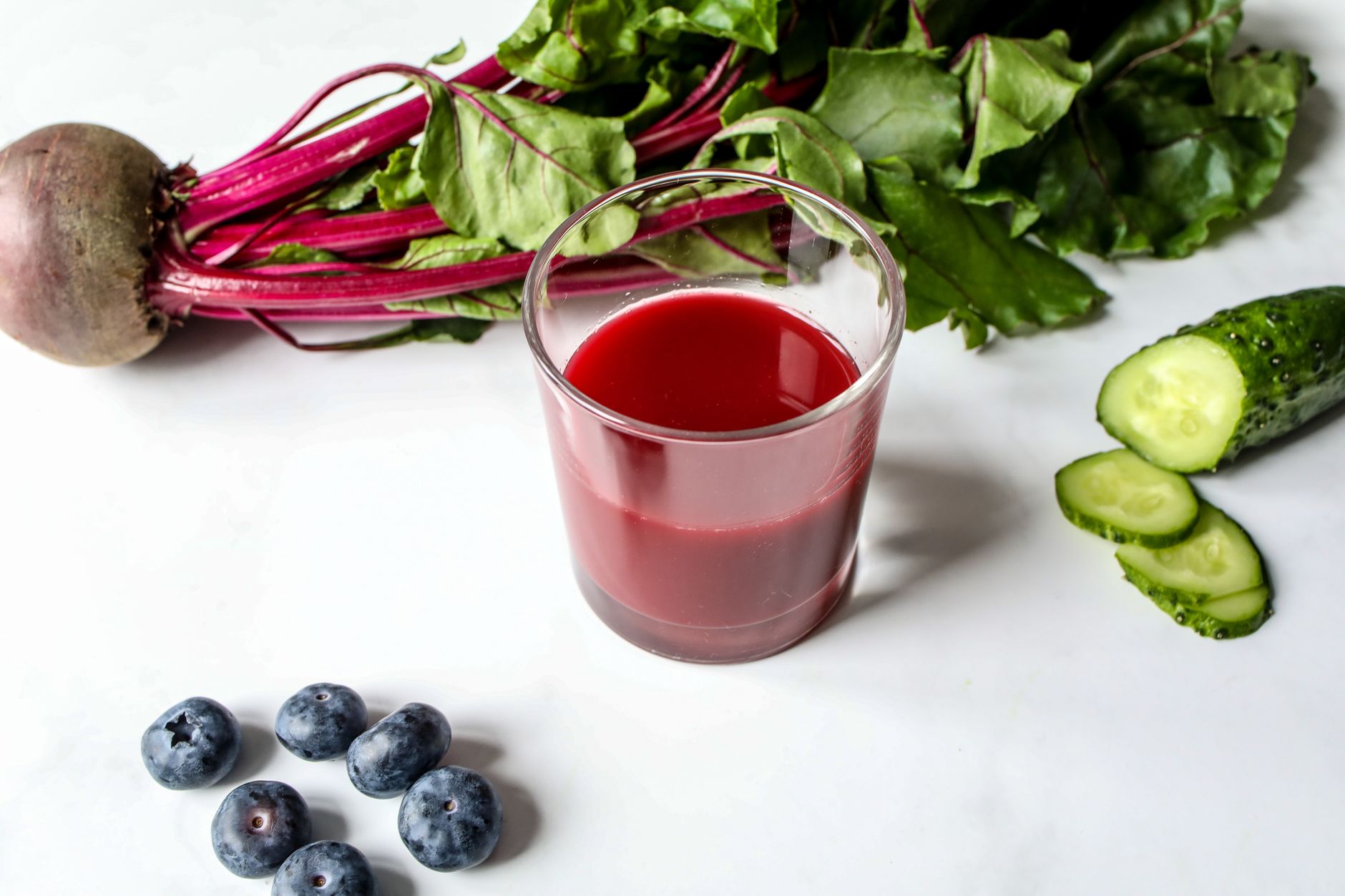
Beet juice is a vibrant and nutritious beverage that can add a splash of color and flavor to various dishes and drinks. However, many people wonder about the feasibility of freezing beet juice for later use. Understanding whether or not beet juice freezes well, and how to go about it, can enhance your meal planning and save you time in the kitchen.
In this article, we’ll explore the freezing process for beet juice, how to properly thaw it, and important storage tips. You’ll learn how to retain beet juice’s flavor, nutrients, and vibrant color while making the most of this versatile ingredient.
Does Beet Juice Freeze?
Yes, beet juice can freeze quite well. When properly prepared and stored, beet juice maintains its flavor, color, and nutritional benefits even after being frozen. The key is to ensure that it is stored correctly to prevent freezer burn and oxidation.
Why Freeze Beet Juice?
Freezing beet juice can be beneficial for several reasons:
- Preservation: Freezing allows you to store beet juice for later use, reducing waste if you’ve made too much.
- Convenience: Having beet juice on hand makes it easy to add to smoothies, soups, and sauces without needing to prepare fresh juice each time.
- Flavor and Nutrition: Freezing helps retain the flavor and nutrients that beet juice offers, including vitamins and antioxidants.
How to Prepare Beet Juice for Freezing
Freezing beet juice effectively requires a few simple preparation steps. Here’s how to do it:
- Choose Fresh Beets: Select firm, fresh beets that are free from blemishes. Fresh beets will provide the best flavor and nutrients for your juice.
- Wash and Peel: Thoroughly wash the beets under running water, scrubbing off any dirt. Peel the beets to remove any tough skin which might affect the juice’s taste.
- Juicing: Cut the beets into smaller pieces to ensure they fit into your juicer. Juice the beets according to your juicer’s instructions. If you don’t have a juicer, you can use a blender and then strain the mixture through a fine mesh sieve or cheesecloth to extract the juice.
- Cool Down: Once juiced, allow the beet juice to cool to room temperature before freezing.
Best Methods for Freezing Beet Juice
There are a couple of effective methods for freezing beet juice. Depending on how you plan to use it later, you may choose one of these options:
Freezing in Ice Cube Trays
This method is ideal for easily portioning out beet juice:
- Transfer the cooled beet juice into ice cube trays.
- Fill each compartment about three-quarters full to allow for expansion as the juice freezes.
- Cover the trays loosely with plastic wrap to prevent any freezer odors from seeping in.
- Place the trays in the freezer until the juice is fully frozen, which typically takes about 4–6 hours.
- Once frozen, pop the beet juice cubes out of the trays and transfer them into a freezer-safe bag or container. Make sure to label the container with the date.
Freezing in Containers
If you prefer to freeze larger quantities of beet juice:
- Pour the cooled beet juice into freezer-safe containers, leaving about an inch of headspace at the top. This space accommodates the expansion of the liquid as it freezes.
- Seal the containers tightly with their lids or use plastic wrap for an extra layer of protection.
- Label the containers with the date before placing them in the freezer.
Thawing Frozen Beet Juice
Proper thawing is essential to maintain the quality of your beet juice. Here are effective methods for thawing:
- In the Refrigerator: This is the safest and most optimal method. Move the frozen beet juice to the refrigerator and allow it to thaw overnight.
- Quick Thawing: For a quicker thaw, place the container or bag of beet juice under cool running water until it is liquid again. Avoid hot water as it can compromise the quality.
- Using a Microwave: If you’re in a hurry, you can use the microwave’s defrost setting. However, be cautious not to heat it too much to maintain the juice’s quality.
Storage Tips for Frozen Beet Juice
To ensure the best quality and flavor retention of your frozen beet juice, consider the following storage tips:
- Airtight Containers: Always use airtight containers or bags designed for freezing to prevent exposure to air, which can lead to freezer burn.
- Label and Date: Label all containers with the contents and the date of freezing. This helps keep track of how long the juice has been stored.
- Limit Storage Duration: For optimal freshness, aim to use frozen beet juice within 6–12 months. While it may still be safe to consume after this period, flavor and nutrition may decline.
- Portion Sizes: Consider freezing beet juice in smaller portions so you can thaw only what you need for a recipe or drink.
Using Frozen Beet Juice
Once thawed, frozen beet juice can be utilized in a variety of ways:
- In Smoothies: Add thawed beet juice to your smoothie for its lovely color and earthy sweetness.
- In Soups: Incorporate it into soups for a vibrant, nutrient-dense boost.
- In Salad Dressings: Use it to create a unique salad dressing by mixing beet juice with olive oil, vinegar, and seasonings.
- For Cooking: Add thawed beet juice to sauces or marinades to enhance color and flavor.
Potential Changes After Freezing
While freezing beet juice is advantageous, it’s essential to be aware that it may undergo slight changes:
- Texture: Freezing and thawing can sometimes alter the texture, making it a bit thicker or slushy.
- Color: The vibrant color may slightly fade, but it will generally remain appealing and bright.
- Flavor: The flavor profile should remain relatively intact, but some individuals may notice differences based on the freezing duration.
Common Mistakes When Freezing Beet Juice
To ensure you have a successful freezing experience with beet juice, avoid these common mistakes:
- Freezing Without Cooling: Do not freeze beet juice while it is still warm. Allow it to cool to room temperature to prevent uneven freezing.
- Poor Sealing: Make sure containers are well-sealed to prevent air from getting in and causing freezer burn.
- Ignoring Headspace: Failing to leave room for expansion can make containers burst or compromise seals.
Summary
Beet juice is an excellent ingredient to freeze, offering convenience and health benefits while maintaining its flavor and nutritional value if stored correctly. By following proper preparation, freezing, and thawing methods, you can enjoy your beet juice for many months to come. Whether added to smoothies, soups, or salads, it can be a fantastic addition to various dishes.
For more information on freezing fruits and vegetables, check out our guides on freezing watermelon and freezing pumpkin pie. Explore these resources to enhance your food storage and meal prep practices.