
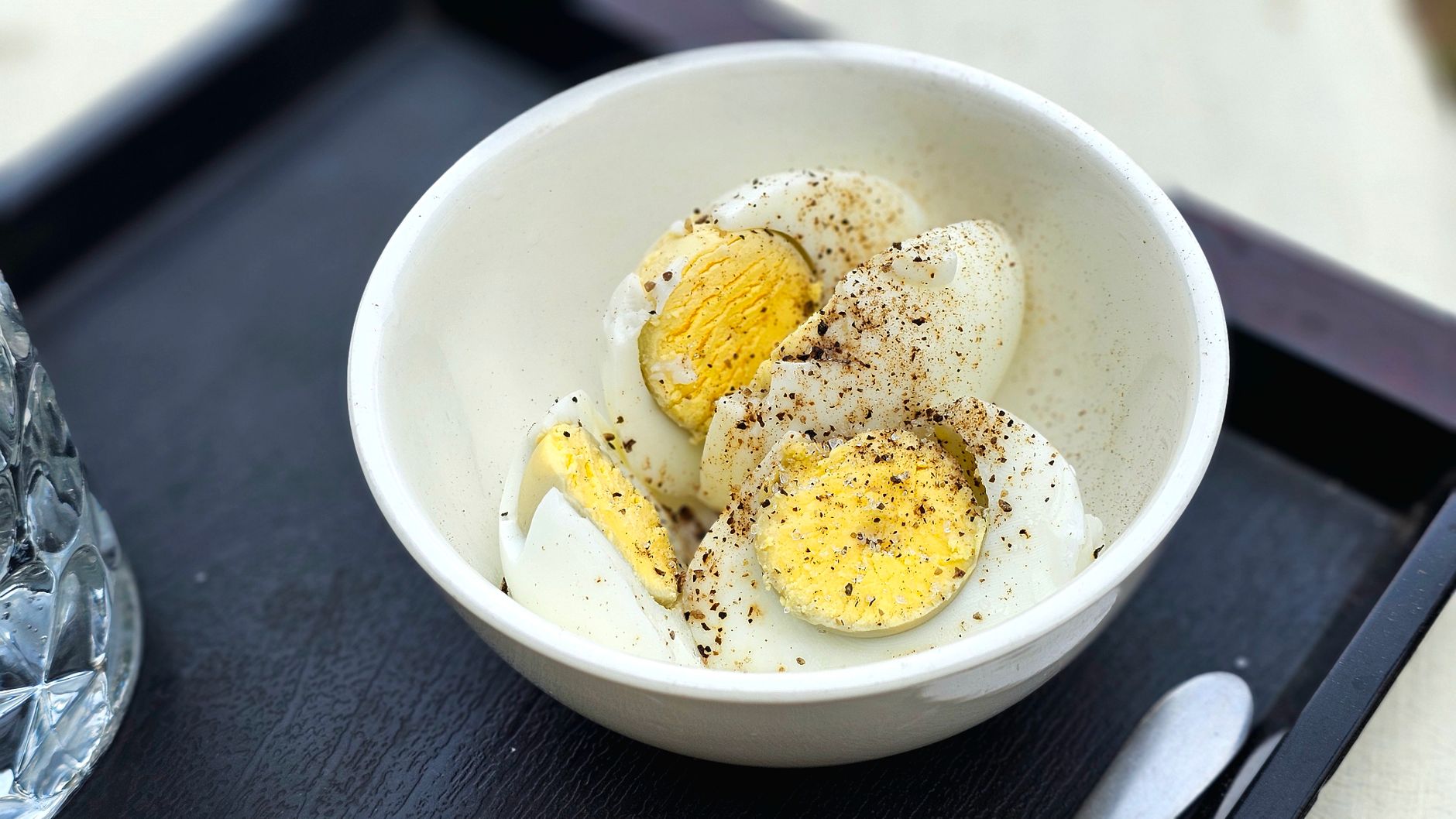
Boiled eggs are a versatile food item, often enjoyed for breakfast, as a snack, or even added to salads and sandwiches. However, understanding how long a boiled egg can stay in the fridge is essential for ensuring food safety and maintaining quality. Proper storage techniques not only extend their shelf life but also help you enjoy their flavor and texture at their best.
This article delves into the storage of boiled eggs in the refrigerator, offering practical guidance on how long they typically last, how to store them properly, and tips for recognizing when they may no longer be safe to eat.
How Long Can A Boiled Egg Stay In The Fridge?
A boiled egg can typically stay fresh in the refrigerator for up to one week. If stored properly in their shells in a refrigerator set at 40°F (4°C) or lower, they will retain their best quality during this time. After one week, there’s an increased risk of spoilage, even if the eggs may still appear fine.
Understanding the Storage of Boiled Eggs
Knowing how to properly store boiled eggs is crucial for maximizing shelf life and safety. Here are key points about their storage:
- Boiled eggs should always be stored in the refrigerator once they have cooled.
- Keeping eggs in their shells helps protect them from absorbing odors from other foods and prevents them from drying out.
- Labeling containers with the storage date can help you keep track of how long they’ve been in the fridge.
How to Store Boiled Eggs
Proper storage techniques can significantly affect the freshness of boiled eggs. Follow these methods to ensure longevity:
- Cool Quickly: After boiling the eggs, place them in an ice bath or run them under cold water for a few minutes to stop the cooking process and cool them down.
- Store in a Container: Once cooled, place the eggs in a covered container. Alternatively, you can keep them in their original carton as long as it is clean.
- Keep Shells Intact: For best results, keep the shells on until you’re ready to eat the eggs. This adds a protective layer that helps retain freshness.
- Check Temperature: Ensure your refrigerator is functioning at a temperature of 40°F (4°C) or below to inhibit bacterial growth.
Signs of Spoilage in Boiled Eggs
Even within the one-week guideline, it’s important to know how to identify if a boiled egg has gone bad. Here are some signs to look out for:
- Unpleasant Odor: If you notice a strong, sulfuric smell when you peel the egg, it’s a sign that it has spoiled.
- Appearance: Look for any discoloration or unusual spots on the egg white or yolk. A greenish tint around the yolk can indicate overcooking but is not harmful if the egg has been properly stored.
- Texture: If the egg white appears slimy or excessively watery, it’s best to err on the side of caution and discard the egg.
Storage Tips for Boiled Eggs
Here are some practical tips to help you store boiled eggs effectively:
- Store Whole: It’s always better to store boiled eggs whole rather than peeled to keep them fresh longer.
- Use a Clear Container: A clear container allows you to visually check the condition of the eggs when you open the fridge.
- Do Not Store in Door: The temperature fluctuates more in the refrigerator door; place boiled eggs on a middle shelf instead.
- Keep Away from Strong Odors: Avoid storing eggs near foods with strong fragrances, which can be absorbed by the eggs through the shells.
Freezing Boiled Eggs
If you find yourself with more boiled eggs than you can consume within a week, consider freezing them! However, note that freezing can alter the texture. Here’s how to do it:
- Peel Eggs: First, peel the boiled eggs, as freezing them in the shells can lead to cracks.
- Slice or Chop: For better freezing, slice or chop the eggs, as pieces freeze more uniformly.
- Wrap Tightly: Use plastic wrap or place the pieces in an airtight freezer bag to avoid freezer burn.
- Label and Date: Make sure to label the packages with the date so you can track their age.
The frozen boiled eggs can last for up to six months, although best quality is within three months. When ready to use, thaw them in the refrigerator overnight and use in salads or sandwiches, or heat them gently in a microwave.
Creative Ways to Use Boiled Eggs
Boiled eggs can add protein and variety to many dishes. Here are a few ideas to incorporate them into your meals:
- Egg Salad: Mix chopped boiled eggs with mayonnaise, mustard, and your favorite seasonings for a classic dish that’s great on sandwiches or crackers.
- Deviled Eggs: Slice boiled eggs in half, remove the yolks, and mix with mayonnaise, mustard, and spices before stuffing them back into the whites.
- Salads: Add quartered boiled eggs to salads for added protein and flavor, such as in a Cobb salad or a Niçoise salad.
- Breakfast Bowls: Top a grain bowl or a bed of spinach with sliced boiled eggs for a nutritious start to your day.
Meal Planning with Boiled Eggs
Including boiled eggs in your meal preparation can enhance the nutrition of your meals. Here’s how to effectively plan using boiled eggs:
- Batch Cooking: Boil a dozen eggs at once and store them in the refrigerator to have ready-to-eat options throughout the week.
- Lunch Boxes: Add boiled eggs to lunch boxes along with fresh veggies, cheese, and whole grain crackers for a balanced meal.
- Snacks: Keep boiled eggs handy for easy, protein-packed snacks that are satisfying and filling.
Common Mistakes with Boiled Egg Storage
Be aware of these common pitfalls to optimize your storage technique:
- Leaving Eggs at Room Temperature: Do not leave boiled eggs unrefrigerated for more than two hours, as this increases the risk of bacterial growth.
- Peeled Eggs in Fridge: Peeled boiled eggs are more prone to drying out and absorbing odors; always store them in their shells unless you must peel them ahead of time.
- Ignoring Best By Dates: Even if eggs appear fine, it’s wise to stick to the one-week guideline to ensure you’re consuming safe food.
Conclusion
Boiled eggs are easy to prepare and can be a nutritious addition to your diet when properly stored. Remember that they can last up to one week in the fridge if you store them in their shells and keep them at the right temperature. By following proper storage guidelines and being vigilant to signs of spoilage, you can enjoy boiled eggs safely and deliciously.
For more information on egg storage, check out these related articles: How Long Do Eggs Last After Sell By Date? and How Long Can You Keep Eggs in the Refrigerator?.