
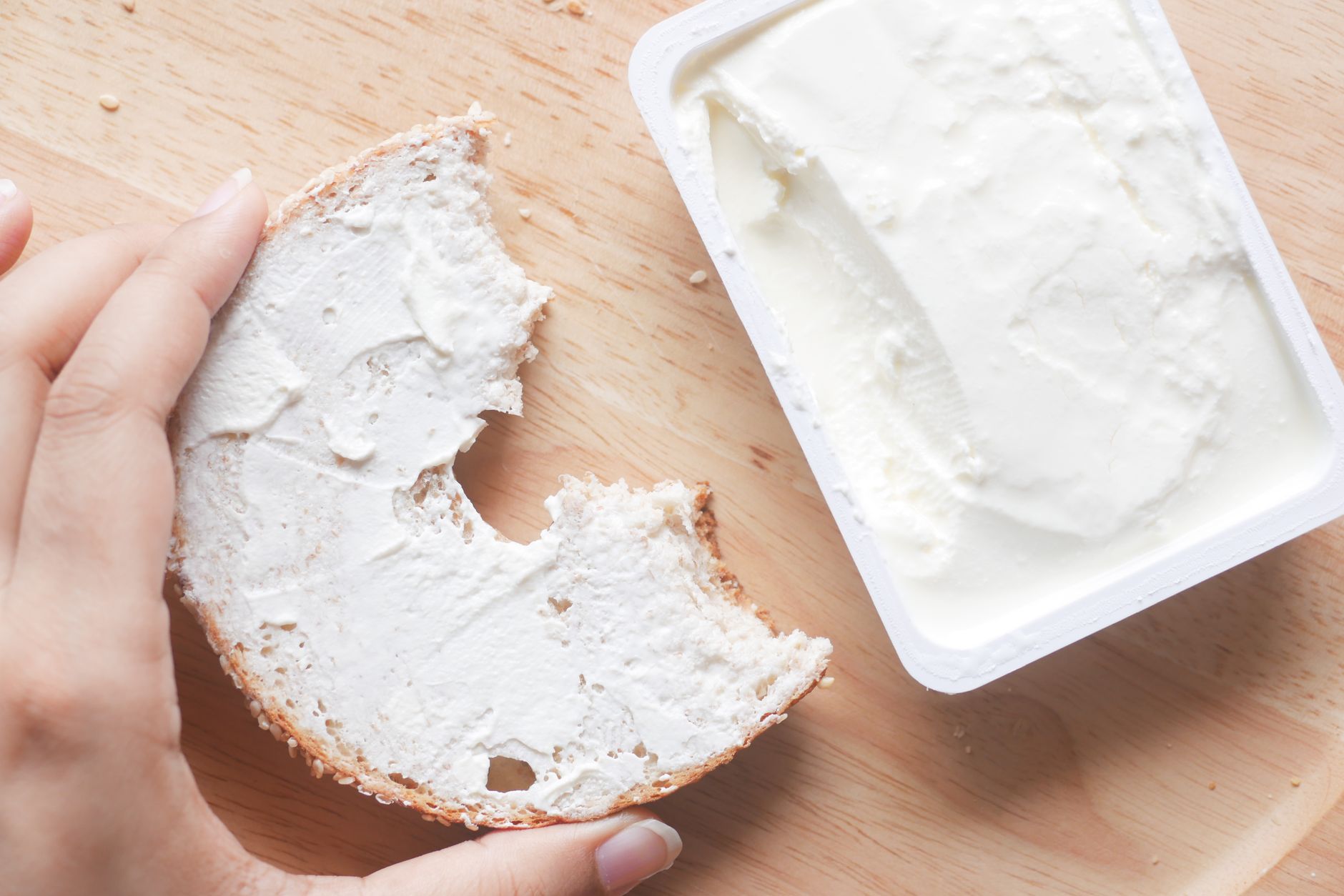
Cream cheese is a popular ingredient in many kitchens, known for its creamy texture and tangy flavor. From bagels to desserts, its versatility makes it a staple in both sweet and savory dishes. However, a common question arises: can cream cheese sit out overnight?
The answer is nuanced, as it depends on several factors including whether the cream cheese is open or unopened, the surrounding temperature, and food safety guidelines. Understanding these aspects can help prevent foodborne illnesses and ensure your cream cheese remains safe to consume.
Can Cream Cheese Sit Out Overnight?
No, cream cheese should not sit out overnight. According to the USDA, dairy products like cream cheese should not be left at room temperature for more than two hours. When left out, harmful bacteria can grow, potentially leading to foodborne illness. Even if the cream cheese appears fine, it is always better to err on the side of caution.
What Happens When Cream Cheese Sits Out?
When cream cheese is left at room temperature beyond recommended safety limits, it begins to lose its quality. Here’s what you might observe:
- Texture Changes: Cream cheese may become increasingly soft and spreadable, but over time, it can also become runny or separate.
- Flavor Changes: The tangy flavor of cream cheese can intensify or become unpleasant if it spoils due to bacterial growth.
- Bacterial Growth: Leaving cream cheese out overnight may foster the growth of bacteria such as Listeria or Salmonella, which can lead to foodborne illness.
Factors Influencing Cream Cheese Safety
Temperature
The critical factor influencing cream cheese safety is temperature. Bacteria thrive in the “danger zone” between 40°F (4°C) and 140°F (60°C). If your room temperature is higher than this, the cream cheese can become unsafe more quickly.
Type of Cream Cheese
Unopened cream cheese can last longer than opened. If it has never been unsealed, the risk of bacterial contamination is significantly reduced.
Storage Conditions
Where you place your cream cheese also matters. For optimal safety, always store it in a refrigerator. Leaving it out on a counter or a warm area in the kitchen increases the risk.
How to Store Cream Cheese Properly
To ensure your cream cheese stays fresh and safe for consumption, consider the following storage tips:
- Keep It Refrigerated: Always store cream cheese in the refrigerator at 40°F (4°C) or below.
- Seal It Tightly: After opening, ensure the cream cheese is sealed in an airtight container or tightly wrapped in plastic wrap to minimize exposure to air.
- Check Expiration Dates: Regularly check the expiration dates on the packaging to avoid consuming spoiled products.
How Long Can Cream Cheese Last?
The shelf life of cream cheese varies based on whether it’s opened or unopened:
Unopened Cream Cheese
- Typically lasts for 2-4 months beyond the expiration date if stored correctly.
Opened Cream Cheese
- Best when consumed within 7-10 days of opening for optimal quality, but may last up to 2 weeks if stored properly.
Signs That Cream Cheese Has Gone Bad
It is essential to know the signs of spoiled cream cheese to avoid risks:
- Off Smell: If the cream cheese smells sour or unusual, discard it.
- Color Changes: A visible change in color, such as darkening or signs of mold, indicates spoilage.
- Texture Alterations: If the cream cheese has curdled or separated, it is no longer safe to eat.
What to Do If Cream Cheese Sits Out Overnight
If you accidentally left cream cheese out overnight, it is advisable to toss it. Consuming cream cheese that has been at room temperature for more than two hours poses health risks. The best practice is to prioritize food safety by preventing any risk of foodborne illness.
Using Cream Cheese in Various Dishes
Cream cheese can elevate a variety of dishes. Here’s how you might use it:
In Spreads
Cream cheese spread on bagels, toast, or crackers creates a delicious base for various toppings, such as herbs, smoked salmon, or fruit preserves.
In Frostings
A popular use of cream cheese is in frostings for cakes and cupcakes, offering a tangy contrast to sweet desserts.
In Dips
Cream cheese serves as a creamy base in numerous dip recipes, often combined with herbs, spices, and other cheeses for extra flavor.
Common Cream Cheese Varieties
Understanding the different types of cream cheese can help you select the right one for your recipe:
- Regular Cream Cheese: The traditional form, characterized by a creamy texture and a mild tangy flavor.
- Neufchâtel: A lower-fat alternative with a similar flavor profile but a slightly grainier texture.
- Whipped Cream Cheese: Light and airy, this variety is excellent for spreading but loses some flavor intensity.
Creative Uses for Leftover Cream Cheese
If you have leftover cream cheese to use up, consider these delicious ideas:
- Stuffed Chicken Breasts: Combine cream cheese with spinach and herbs and stuff into chicken breasts before baking.
- Cheesecake: Use for a delectable cheesecake filling, adjusting sugar for sweetness to balance the tangy flavor.
- Savory Sauces: Blend with herbs and spices to create creamy pasta sauces or salad dressings.
Creative Substitutions for Cream Cheese
If you need a substitute for cream cheese in your recipes, consider these options:
Greek Yogurt
Greek yogurt can mimic the creaminess and tangy flavor of cream cheese, making it an excellent replacement in dips and baked goods.
Mascarpone
This richer cheese offers smoothness and a slight sweetness, suitable for desserts and frostings.
Tofu
Silken tofu blended until smooth can provide a dairy-free alternative, perfect for sauces or vegan cheesecakes.
Frequently Asked Questions
Can I Freeze Cream Cheese?
Yes, cream cheese can be frozen. However, the texture may change after thawing, making it less suitable for spreading but still usable in cooked recipes.
Can I Leave Cream Cheese Out During a Party?
It’s best to keep cream cheese refrigerated during a party. If serving, set out only small amounts at a time and discard any leftovers that sit out for more than two hours.
Summary
In short, cream cheese should never be left out overnight due to safety concerns. Proper storage is crucial to maintaining its quality and preventing foodborne illness. Use cream cheese creatively in various dishes, and understand both its flavor profile and alternative options for successful cooking.
Explore more delicious ideas and recipes like cream cheese mints for festive gatherings or try your hand at smoked cream cheese for a unique flavor experience. Enjoy your kitchen adventures!