
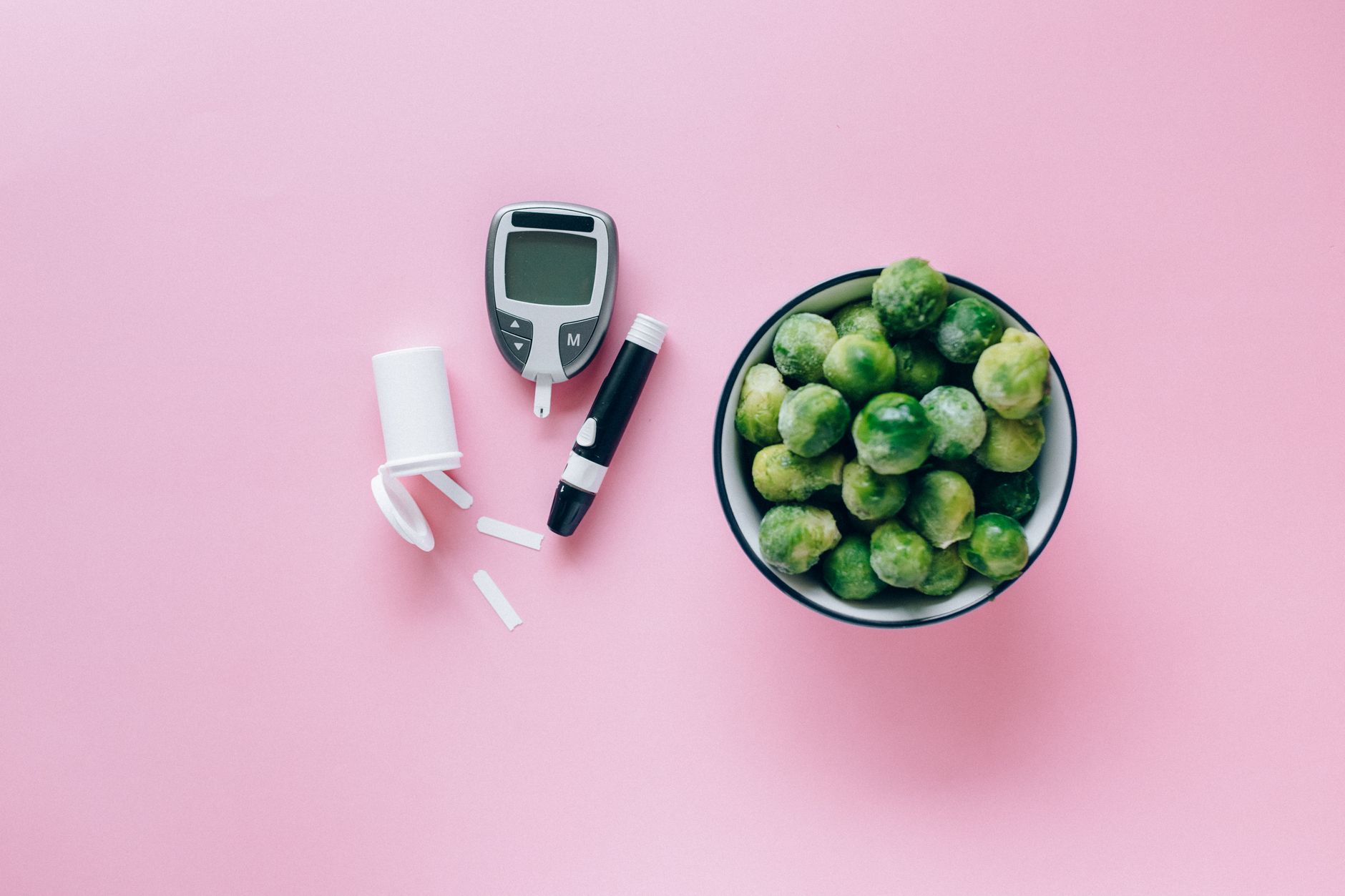
Understanding insulin spikes is crucial for maintaining stable energy levels and overall health. Certain foods can cause rapid increases in insulin levels, impacting blood sugar and energy balance. This article explores the foods that are known to spike insulin, their effects on the body, and practical ways to manage dietary choices.
This comprehensive guide will help you make informed decisions about your meals and snacks, ensuring you can enjoy delicious food while keeping your insulin responses in check.
What Foods Spike Insulin?
Foods that spike insulin generally include those high in refined carbohydrates and sugars. These can lead to quick glucose surges, causing the body to release more insulin to manage blood sugar levels. Understanding which foods can have these effects is vital for anyone interested in maintaining stable energy and reducing the risk of insulin resistance.
High-Glycemic Foods
High-glycemic foods are the primary culprits when it comes to insulin spikes. These foods are rapidly digested and absorbed, leading to swift increases in blood sugar levels.
1. Bread and Cereals
- White Bread
- Cornflakes
- Instant Oatmeal
White bread is made from refined flour, lacking essential nutrients and fiber. Cornflakes, especially those with added sugars, and instant oatmeal also fall into the high-glycemic category.
2. Sugary Foods
- Soda and Sweetened Beverages
- Candy
- Pastries and Cakes
Sugary beverages have little to no nutritional value and can lead to significant insulin spikes. Candy and pastries, rich in refined sugars and fats, can also cause quick increases in insulin.
3. Starchy Vegetables
- Potatoes (especially mashed or fried)
- Sweet Corn
While starchy vegetables like potatoes and corn provide important nutrients, they are high in carbohydrates, which can affect insulin levels if consumed in large portions or without adequate protein or fiber.
Low-Glycemic Foods and Their Alternative Choices
In contrast to high-glycemic foods, low-glycemic foods are digested more slowly and have a gentler effect on blood sugar and insulin levels.
1. Whole Grains
- Whole Wheat Bread
- Brown Rice
- Quinoa
Opting for whole grains like brown rice or quinoa provides more fiber, which can help stabilize blood sugar levels and reduce insulin responses compared to their white or refined counterparts.
2. Non-Starchy Vegetables
- Broccoli
- Spinach
- Cauliflower
Non-starchy vegetables are rich in fiber and essential nutrients. These foods not only have a minimal impact on insulin but also contribute to overall health.
3. Fruits with Lower Sugar Content
- Berries (strawberries, blueberries)
- Apples
- Pears
Fruits like berries and apples provide natural sweetness with lower glycemic indices compared to fruits like bananas or grapes, making them better choices for stable insulin levels.
The Role of Protein and Fat in Managing Insulin Spikes
Incorporating proteins and healthy fats into meals can help slow digestion and reduce the glycemic impact of carbohydrates.
1. Proteins
- Chicken
- Tofu
- Fish
Consuming lean proteins like chicken, tofu, or fish can create a more balanced meal. Protein helps slow the absorption of sugars, leading to a more gradual insulin response.
2. Healthy Fats
- Avocado
- Nuts (almonds, walnuts)
- Olive Oil
Healthy fats are important for satiety and can help moderate insulin responses in meals. Adding avocado or nuts can enhance your meals while keeping insulin levels stable.
Impacts of Spiking Insulin
Frequent insulin spikes can lead to various health issues, including insulin resistance and weight gain. It’s important to understand the broader implications of these eating habits.
1. Weight Gain and Obesity
High insulin levels can lead to increased fat storage, especially around the abdomen. This can create a cycle of weight gain and further insulin resistance if foods that spike insulin are consumed regularly.
2. Increased Hunger Levels
Insulin not only lowers blood sugar but also signals hunger. After consuming high-glycemic foods, the subsequent drop in blood sugar can lead to increased hunger shortly after eating, potentially leading to overeating.
3. Risk of Type 2 Diabetes
Chronic insulin spikes can increase the risk of developing type 2 diabetes. Over time, the body may struggle to maintain normal blood sugar levels, leading to a state of insulin resistance.
Meal Planning Strategies to Manage Insulin Levels
Practical meal planning can help you achieve balanced blood sugar and insulin levels while enjoying varied and flavorful meals. Here are some strategies to consider.
1. Balanced Meals
- Include Protein
- Pair Carbs with Healthy Fats
- Add Fiber-Rich Foods
Each meal should include a source of protein, healthy fats, and fiber to slow carbohydrate digestion. For example, a chicken salad with olive oil dressing includes these elements.
2. Portion Control
Being mindful of portion sizes, especially regarding high-glycemic foods, can aid in better insulin management. Use measuring cups or scales for more accuracy during meal prep to help control portions.
3. Schedule Regular Meals
Eating at regular intervals throughout the day can help maintain steady blood sugar levels. Aim for three balanced meals with healthy snacks in between to prevent highs and lows in blood sugar and insulin levels.
Cooking Techniques for Healthier Meals
How you prepare food can also affect its impact on insulin. Here are some cooking techniques to consider.
1. Steaming and Grilling
Steaming and grilling vegetables preserve their nutrients and fiber while keeping meals lower in added sugars and unhealthy fats. These methods can enhance flavors without increasing insulin responses.
2. Avoiding Deep-Frying
Deep-frying can significantly increase the calorie and fat content of foods. Opt for baking or roasting foods instead, as these methods require little to no added fats, keeping the dish healthier.
3. Batch Cooking and Meal Prep
Preparing meals in advance can help you control ingredients and portion sizes. Consider batch cooking low-glycemic foods like whole grains, lean proteins, and vegetables to have healthier options ready when you need them.
Common Mistakes to Avoid
While striving to manage insulin levels, it’s easy to make mistakes that can work against your goals. Here are some common pitfalls to avoid.
1. Overlooking Food Labels
Many packaged foods contain hidden sugars or high glycemic ingredients. Always read ingredient labels to ensure you’re aware of what you’re consuming.
2. Neglecting Snacks
Allowing long gaps between meals leads to hunger and potential overeating. Prepare healthy snacks low in sugars, like nuts or yogurt, to avoid high-glycemic indulgences when hunger strikes.
3. Relying on Low-Fat Products
Low-fat products can often contain added sugars to enhance flavor, leading to unexpected insulin spikes. Whole foods and healthy fats can provide balanced nutrition without the drawbacks of processed alternatives.
Storage Tips to Preserve Nutritional Value
Proper food storage helps maintain the nutritional quality of ingredients, ensuring healthier meal options. Here are some essential tips.
1. Keep Produce Fresh
Store fruits and vegetables in a cool, dry place. Consider using perforated bags for certain vegetables to allow for air circulation, which can extend their freshness.
2. Use Airtight Containers for Grains
Airtight containers protect grains and nuts from moisture and pests, preserving their nutritional value. Properly sealed containers can also ward off odors and keep your pantry organized.
3. Label and Date Packages
When freezing leftovers or batch-cooking, label containers with the content and date. This practice helps you keep track of food freshness and reduces waste.
Conclusion
Knowing which foods spike insulin and understanding how to manage your meals can significantly improve your overall health and energy levels. By making informed choices, you can enjoy a satisfying and nutritious diet while minimizing the risk of insulin resistance and other related health issues.
Explore more about managing nutrition effectively by trying our Chia Pudding Recipe and discovering which Foods Have Probiotics can complement your meals.