
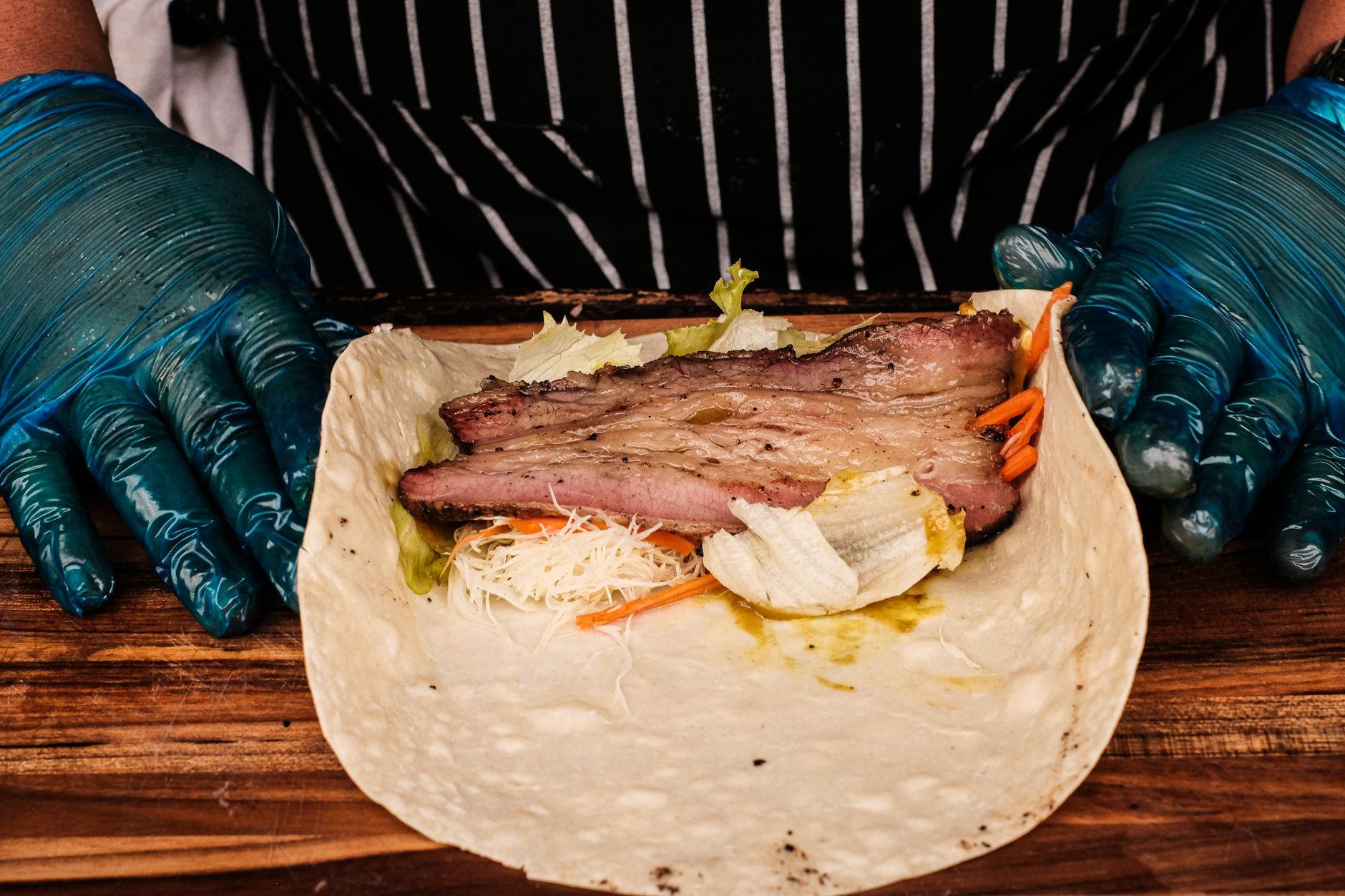
Wrapping brisket during the cooking process is an essential technique in achieving the perfect texture and juiciness. Knowing what temperature to wrap your brisket is crucial for optimal results. This technique, often implemented during smoking or slow cooking, helps retain moisture and enhances flavor development.
This article will explore when to wrap brisket, the benefits of wrapping, and practical tips for cooking it to perfection. Whether you are a seasoned pitmaster or a home cook, understanding this technique will elevate your brisket game.
Wrap Brisket at What Temp?
The ideal temperature to wrap brisket is typically around 165°F to 170°F (74°C to 77°C). At this temperature, the brisket has entered the “stall” phase, where moisture evaporates and can slow down the cooking process. Wrapping helps maintain heat and moisture, allowing the brisket to cook evenly without drying out.
Understanding the Brisket Cut
Brisket is a cut of meat from the breast area of the cow and is known for its rich flavor and tough texture due to the connective tissue. It comprises two primary parts: the flat and the point. The flat is leaner, while the point has more marbling, resulting in enhanced flavor and tenderness.
The Cooking Process
Slow cooking is typically the best method for preparing brisket, allowing the collagen in the meat to break down and become tender. This can be achieved through methods like smoking, braising, or using a slow cooker. Regardless of the method, maintaining an adequate cooking temperature and time is essential for success.
Why Wrap Brisket?
Wrapping brisket serves several purposes:
- Moisture Retention: Wrapping the brisket in foil or butcher paper traps moisture, preventing it from drying out.
- Temperature Management: Wrapping helps stabilize the temperature as the brisket continues to cook, preventing drastic temperature fluctuations.
- Accelerated Cooking: This technique can significantly reduce cooking time by trapping heat.
- Improved Bark Formation: While foil can soften the bark, butcher paper allows for a firmer texture while still protecting the meat.
How to Wrap Brisket
The method for wrapping brisket can vary based on personal preference and desired texture. Here’s a step-by-step approach for wrapping brisket when it reaches the ideal temperature:
- Monitor Temperature: Use a meat thermometer to monitor the internal temperature of the brisket. Aim to wrap it between 165°F and 170°F.
- Select Your Wrapping Material: Choose between aluminum foil and butcher paper. Aluminum foil is more common and creates a tighter seal, while butcher paper is preferred for maintaining a nicer bark.
- Prepare the Wrap: Lay out your chosen wrap on a flat surface. If using foil, double it for extra thickness. Make sure it is large enough to cover the brisket completely.
- Wrap the Brisket: Place the brisket in the center of the wrap and fold the sides over tightly. If using foil, crimp the edges to ensure it is sealed properly. If using butcher paper, fold and tuck the ends to secure.
- Return to Heat: Place the wrapped brisket back onto the grill or in the smoker. Continue cooking until it reaches the final target temperature of about 195°F to 205°F (90°C to 96°C).
Temperature Guidelines and Cooking Time
Brisket cooking time can vary based on the cooking method, thickness of the meat, and the cooking temperature. Here’s a general guide to help you plan:
| Cooking Method | Cooking Temperature | Time Per Pound | Total Time (for 10 lbs) |
|---|---|---|---|
| Smoking | 225°F to 250°F (107°C to 121°C) | 1 to 1.5 hours | 10 to 15 hours |
| Oven Baking | 300°F (149°C) | 30 to 45 minutes | 5 to 7.5 hours |
| Slow Cooker | Low (around 200°F/93°C) | 1 to 1.5 hours | 8 to 12 hours |
What Happens During the Stall?
The stall occurs when the internal temperature of the brisket reaches about 150°F (65°C) to 170°F (77°C). At this point, the heat causes moisture to evaporate from the meat, temporarily stalling the temperature increase. Wrapping the brisket during this phase helps bypass the stall, allowing for continuous cooking without drying out the meat.
Common Mistakes When Wrapping Brisket
While wrapping brisket can enhance the cooking process, some common mistakes can undermine your efforts:
- Wrapping Too Early: Wrapping before the brisket has developed an adequate bark can lead to steaming rather than smoking.
- Over-Wrapping: Use just enough material to create a tight seal without excessive layers that can trap moisture.
- Not Choosing the Right Material: Foil is convenient, but butcher paper is preferable for those who want a firmer bark.
- Skipping the Thermometer: Always use a meat thermometer to avoid overcooking or undercooking.
Serving and Pairing Ideas
Once the brisket is cooked and rested, it can be served in various ways. Here are some serving suggestions and ideas for sides:
- Classic Sandwich: Slice the brisket thinly, and serve it on a bun with barbecue sauce and pickles.
- Taco Filling: Use shredded brisket as a filling for tacos topped with onions, cilantro, and salsa.
- Brisket Hash: Dice the brisket and sauté it with potatoes and vegetables for a delicious breakfast hash.
Ideal Side Dishes
Pair your brisket with complementary sides for a full meal experience. Consider serving with:
- Creamy coleslaw
- BBQ baked beans
- Grilled corn on the cob
- Homemade potato salad
Make-Ahead and Storage Tips
If you plan to prepare brisket in advance, follow these tips for storage and reheating:
- Refrigeration: Store leftover brisket in an airtight container in the refrigerator for up to four days.
- Freezing: Wrap the brisket tightly in foil or butcher paper, then place it in a freezer bag for up to three months.
- Reheating: To reheat, wrap the brisket in foil and place it in a preheated oven set to 250°F (121°C) until warmed through.
Conclusion
Wrapping brisket at the right temperature is a game-changer in achieving tender, juicy results with a flavorful crust. By understanding the stall, timing, and proper wrapping techniques, you can elevate your brisket dishes. Whether it’s for a weekend cookout or a special gathering, mastering this technique will surely impress your guests and satisfy their taste buds.
Explore related recipes and tips such as slow cooker short ribs or check out how to prepare smoked beef ribs for more delicious meat options.