
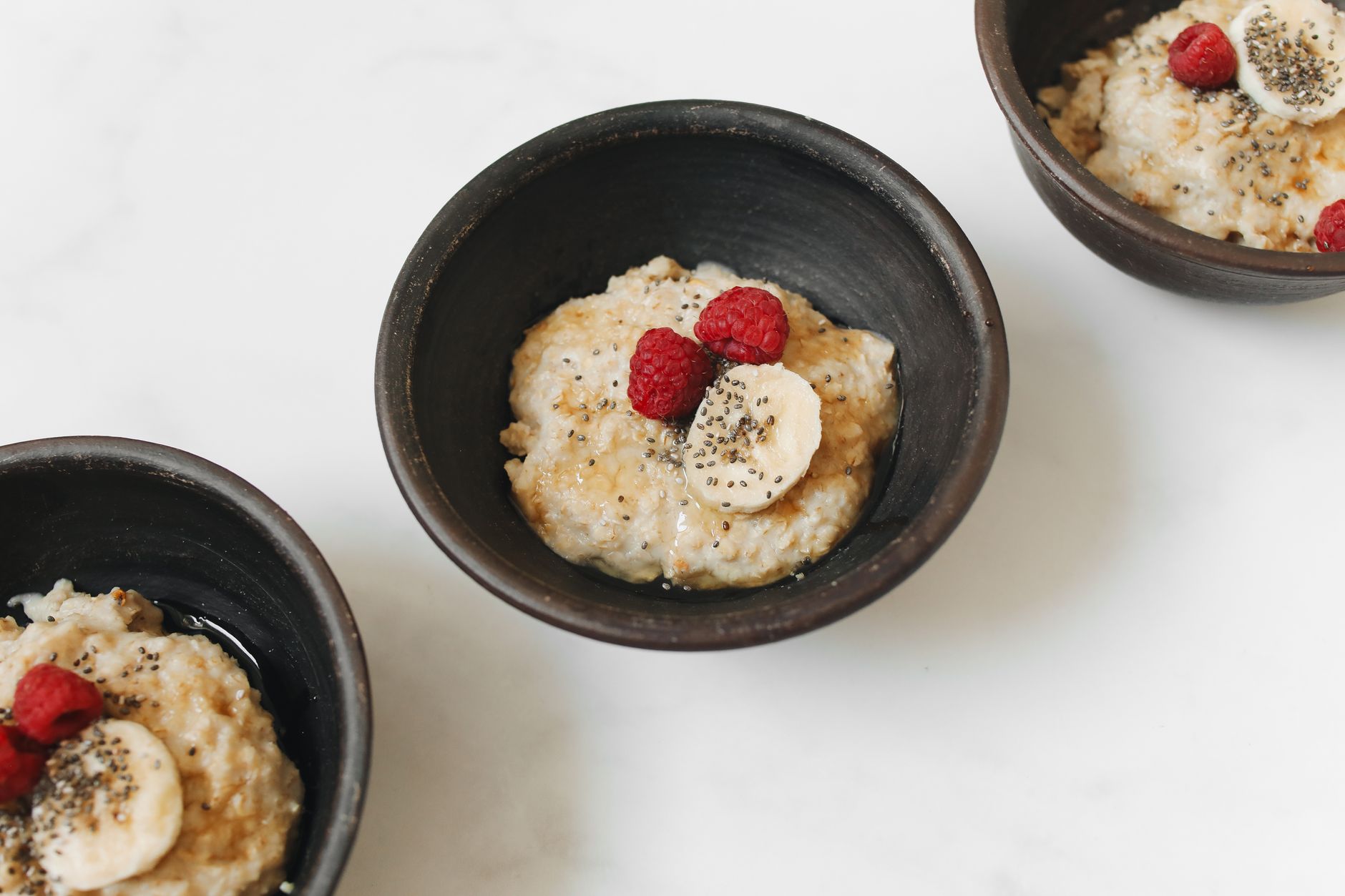
Oatmeal is a nutritious and versatile breakfast option loved by many for its hearty texture and warm comfort. Cooking oatmeal can vary in time depending on the type and water-to-oat ratio, but it typically ranges from a few minutes to several. This guide will help you determine how long it takes to cook different types of oatmeal and provide tips for perfecting your bowl.
Understanding how long to cook oatmeal not only helps streamline your morning routine but also affects the texture and flavor of your dish. Whether you prefer quick oats, rolled oats, or steel-cut oats, we will cover the time and temperature to achieve the best results.
How Long Does It Take to Cook Oatmeal?
The cooking time for oatmeal largely depends on the type you choose. Quick oats cook in about 1 to 3 minutes, rolled oats take approximately 5 to 10 minutes, and steel-cut oats require around 20 to 30 minutes. Each type of oatmeal has unique characteristics, resulting in different textures and flavors.
Types of Oatmeal: Cooking Times and Temperatures
Let’s break down each type of oatmeal, its cooking time, and the best practices for preparing them.
1. Instant Oats
Instant oats are pre-cooked and fully processed, making them the fastest option for oatmeal lovers.
- Cooking time: 1 to 3 minutes
- Water ratio: 1 part oats to 2 parts water or milk
To prepare, combine instant oats with boiling water or milk. Stir well and let it sit for a minute to absorb the liquid, enhancing the texture. However, keep in mind that instant oats may lack the depth of flavor compared to less processed varieties.
2. Rolled Oats
Rolled oats offer a balance between convenience and a heartier texture. They are steamed, rolled flat, and dried, which makes them quicker to cook than steel-cut oats.
- Cooking time: 5 to 10 minutes
- Water ratio: 1 part oats to 2 parts water or milk
For cooking rolled oats, bring the liquid to a boil, stir in the oats, reduce the heat to a simmer, and cook for about 5 to 10 minutes while stirring occasionally. This method helps achieve a creamy consistency without overcooking the oats.
3. Steel-Cut Oats
Steel-cut oats are less processed than rolled oats, resulting in a chewier texture and a nuttier flavor. However, they require more time to cook.
- Cooking time: 20 to 30 minutes
- Water ratio: 1 part oats to 3 parts water or milk
To cook steel-cut oats, bring the liquid to a boil, add the oats, and then reduce to a low simmer. Cooking them for 20 to 30 minutes allows them to expand and soften while retaining a satisfying chew. Stir occasionally to prevent sticking.
4. Overnight Oats
Overnight oats are a no-cook option that requires advance planning but can save time in the morning.
- Preparation time: 5 minutes (plus overnight soaking)
To prepare, combine rolled or steel-cut oats with milk or yogurt and let them soak in the refrigerator overnight. By morning, the oats will absorb the liquid and be ready to eat. This method gives you a deliciously creamy texture without the need for cooking.
Tips for Cooking Oatmeal Perfectly
While understanding cooking times is crucial, there are additional tips to enhance your oatmeal experience.
- Water or Milk: Using milk instead of water adds richness and creaminess to your oatmeal.
- Flavor Enhancements: Stir in your favorite ingredients such as honey, maple syrup, fresh fruits, nuts, or spices like cinnamon for added flavor and nutrition.
- Don’t Rush the Process: Allowing oatmeal to simmer permits flavors to develop. Avoid the temptation to cook at high heat, as this can lead to uneven cooking or burning.
- Batch Cooking: Preparing a larger batch of oatmeal can save time during the week. Cook steel-cut oats, store them in the refrigerator, and reheat portions with a splash of water or milk.
- Experiment with Toppings: Adding different toppings such as nut butter, yogurt, or seeds can create a variety of textures and flavors, making your breakfasts exciting.
Common Mistakes to Avoid When Cooking Oatmeal
To ensure you achieve the desired results, consider these common pitfalls and how to avoid them.
- Using Too Much Water: Adding too much liquid can make oatmeal soupy. Stick to the recommended water-to-oat ratios for the best results.
- Not Stirring: Failing to stir oatmeal regularly can lead to sticking or uneven cooking. Stirring helps distribute heat and liquid effectively.
- Overcooking: Monitoring the cooking time is essential to achieve the right texture. Overcooked oatmeal can become mushy and lose its pleasant chewiness.
- Neglecting Flavor: Avoid serving bland oatmeal. Experiment with different flavor additions, such as spices and toppings, to elevate your meal.
Storing and Reheating Oatmeal
If you cook a large batch of oatmeal or have leftovers, proper storage and reheating techniques are important to maintain quality.
- Cool and Store: Allow cooked oatmeal to cool before transferring it into airtight containers. Store in the refrigerator for up to 5 days.
- Reheating: To reheat, add a splash of water or milk to the oatmeal and heat on the stove or in the microwave until warm. Stir to achieve a desired creamy consistency.
For longer storage, consider freezing portions in freezer-safe containers. Oatmeal can be frozen for up to 3 months. Reheat by thawing in the refrigerator overnight and then microwave or heat on the stove.
Variations on Oatmeal
Oatmeal is a versatile dish that can be easily transformed to fit various flavor profiles and dietary preferences. Explore these variations to keep your meals interesting.
1. Savory Oatmeal
Transform oatmeal from a sweet breakfast dish to a savory meal by adding things like:
- Avocado and a poached egg
- Spinach and feta cheese
- Sautéed vegetables and your choice of protein
2. Overnight Oats Variations
Create a base of rolled oats, yogurt, and milk, and experiment with flavors such as:
- Peanut butter and banana
- Chia seeds and berries
- Cacao powder and coconut flakes
3. Oatmeal Smoothies
Blend cooked oatmeal with fruits, yogurt, and milk for a nutritious smoothie that’s easy to take on-the-go. Consider the following combinations:
- Banana, spinach, and almond milk
- Mixed berries and yogurt
- Mango and coconut milk
4. Bake with Oatmeal
Incorporate oatmeal into baked goods like cookies, muffins, or bars. You can use rolled oats to provide texture and heartiness. Recipes for oatmeal cookies or baked oatmeal can be found through various sources.
Conclusion
Cooking oatmeal can fit your schedule and preferences, whether you need a quick breakfast or a hearty meal. From instant oats to the chewiness of steel-cut oats, understanding the cooking times and methods helps produce a delicious outcome every time. If you’re looking to try something new, explore savory options or prepare overnight oats to revive your breakfast routine.
For those searching for exciting alternatives and recipes, check out our Chia Pudding Recipe or dive into our delicious Oatmeal Cream Pie Recipe for more ideas. Happy cooking!