
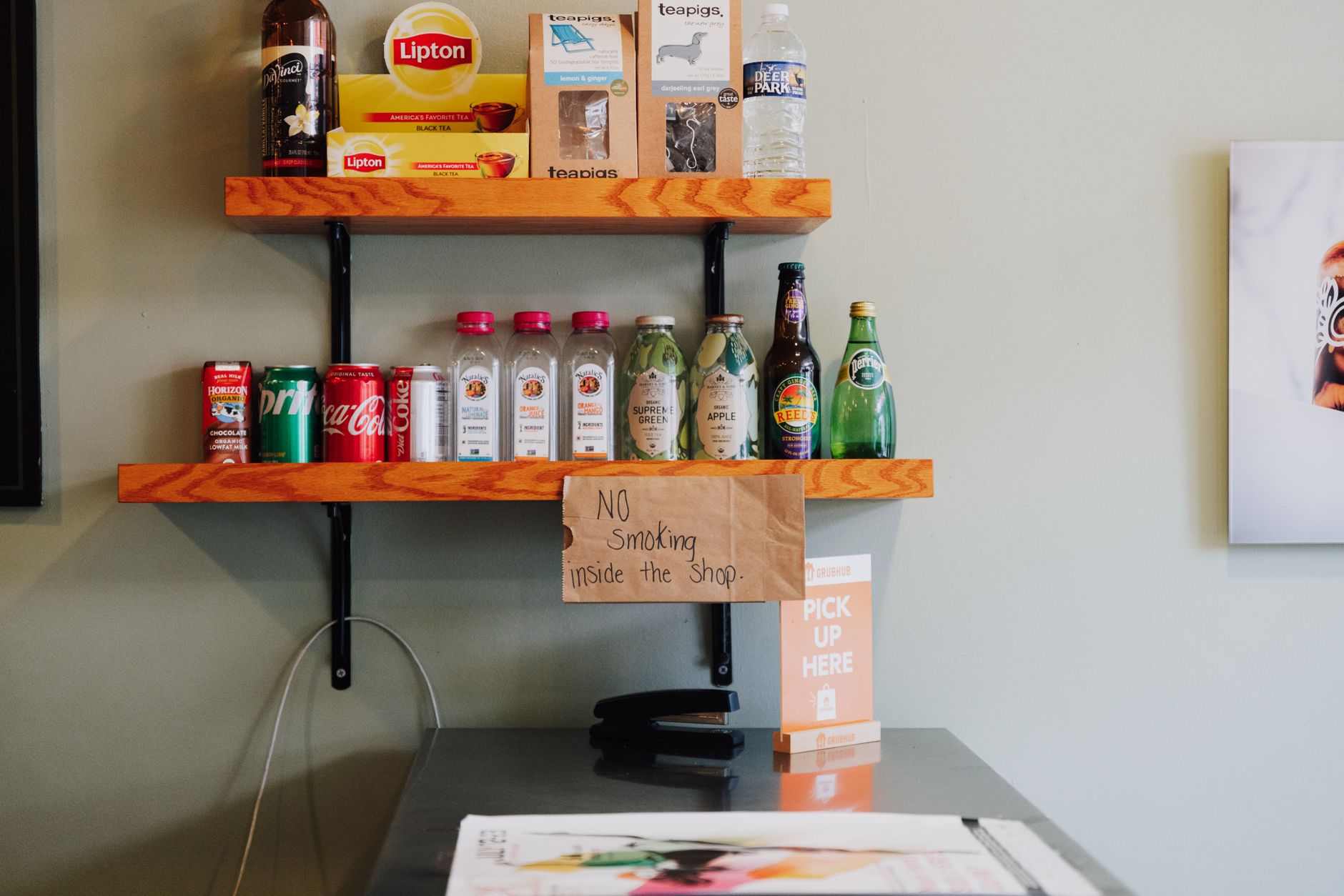
Choosing the right bottled water can elevate your hydration experience. With so many options available, understanding the different types of bottled water, their flavors, and ideal uses can help you select the best one for your needs. This article will guide you through the various bottled water types, their flavor profiles, and how to effortlessly incorporate them into your cooking and baking endeavors.
From spring water to mineral water, the bottled water landscape is as diverse as beverages come. Whether you’re quenching your thirst on a hot day or adding a subtle twist to your favorite recipes, knowing which bottled water is best for each situation will ensure you enhance your culinary adventures.
Which Bottled Water Is Best?
The best bottled water depends on factors such as taste, mineral content, and intended use. Spring water offers a light, refreshing taste, while mineral water provides mineral richness that can enhance flavors in food and beverages. Purified water is ideal for everyday hydration, and some brands even include unique flavors. Understanding these distinctions will help you make an informed decision.
Understanding Bottled Water Types
To select the best bottled water, it’s essential to understand the different types available on the market. Each type has distinct characteristics, which make them suitable for specific uses or preferences.
Spring Water
Spring water originates from natural springs, where water flows to the surface from underground sources. This type often retains its natural minerals, contributing to its fresh taste. Spring water is a popular choice for drinking, and its pleasant flavor makes it appealing for cooking or baking.
Mineral Water
Mineral water contains various minerals and trace elements, which are naturally dissolved in the water as it filters through rocks. This type of water is often carbonated, giving it a unique, slightly fizzy texture. The mineral content not only affects taste but can also enhance the flavors of soups, sauces, and other dishes.
Purified Water
Purified water is obtained from municipal or well water that has gone through extensive filtration and purification processes, such as reverse osmosis. This water is devoid of impurities, making it a safe choice for drinking and cooking. Although it has a neutral flavor, some users prefer it for its clean taste.
Spring Water with Added Nutrition
Some bottled spring waters come infused with additional vitamins or minerals to cater to health-conscious consumers. Flavored and nutrient-enhanced options provide hydration with a twist. For example, electrolyte-infused waters can be excellent for rehydrating after workouts or hot days.
Sparkling Water
Sparkling water contains dissolved carbon dioxide, creating a fizzing effect. It offers a refreshing alternative to soda and can add a light effervescence to cocktails or other beverages. With many flavored variations available, sparkling water can also serve as a creative mixer in various drink recipes.
Factors Influencing Your Choice
With an understanding of the different types of bottled water, you can now consider several factors that may influence your buying decision.
Flavor Profile
The flavor of bottled water can vary significantly based on its source and mineral content. Spring and mineral waters typically have a more pronounced taste, while purified water is neutral. Taste preferences are subjective, so testing various types to determine your ideal flavor is beneficial.
Cooking and Baking Uses
As bottled water can contribute to the overall taste of your dishes, it’s crucial to consider how each type interacts with different cooking techniques. Here are some suggestions for incorporating various bottled waters into your culinary efforts:
- Soups and Broths: Using spring or mineral water can enhance the overall flavor.
- Cooking Grains: The water’s mineral content can affect the taste and texture of rice, quinoa, or pasta.
- Baking: Purified water is often the preferred choice to maintain consistent results in bread and pastries.
- Mixing Drinks: Sparkling water can replace soda for cocktails, while flavored waters can add excitement to mocktails.
Health Considerations
While water choices shouldn’t replace a balanced diet, some bottled waters may offer specific advantages. For instance, electrolyte-infused waters can aid hydration levels, especially in hot climates or after workouts. Conversely, those sensitive to sodium should pay attention to mineral water options with higher sodium levels.
Popular Brands of Bottled Water
As you explore the different bottled water types, you may come across numerous brands within each category. Below, we’ve compiled a selection of popular bottled water brands to help you navigate your choices.
Evian
Evian is a well-known spring water brand sourced from the French Alps. It’s valued for its smooth texture and mineral content, making it great for everyday hydration as well as cooking.
Perrier
Perrier is a classic mineral water brand known for its natural carbonation and distinctive green bottle. Its crisp and refreshing taste makes it an excellent mixer for cocktails, while its carbonation can brighten up meals served as an aperitif.
Fiji Water
Sourced from an aquifer located in Fiji, this bottled water is rich in minerals and has a unique silky mouthfeel. Many enjoy drinking it straight, but it can also enhance the flavor profiles of various dishes.
Smartwater
Smartwater, known for its vapor-distilled purification process, has gained popularity for its clean, crisp taste. It’s often used as a refreshing choice for hydration during workouts or sports activities.
LaCroix
LaCroix is a popular sparkling water brand available in various fruity flavors. The bubbly nature and vibrant flavors make it a fun alternative for beverages and cocktails, appealing to those looking for a soda substitute.
Using Bottled Water in Cooking
Now that you understand the different types and considerations when choosing bottled water, let’s delve into how you can use bottled water in cooking.
Boiling and Steaming
Using bottled water when boiling pasta, rice, or steaming vegetables can contribute subtle flavor notes. Mineral or spring water is best for complementary tastes. For recipes requiring large amounts of water, reserving bottled water for the final cooking stages can make a noticeable difference.
Soups and Stocks
Invest in high-quality bottled water for soups, stocks, or broths. The more refined flavors from bottled water can enhance the depth of your final product. Additionally, if you’re making a clear broth, the clarity of purified water can help maintain aesthetic appeal.
Baking Bread and Desserts
When baking bread or creating desserts where water is a key component, using purified water ensures consistency and reliability in texture. Conversely, mineral water could yield interesting results—experiment with variations to discover new tastes in yeasted goods like bread or pastries.
Hydration in Cooking
Maintaining hydration throughout the cooking process is essential. When preparing curries, sauces, or braises, consider using bottled water to help dissolve spices or build liquid levels. The flavors will become more robust when utilizing high-quality water.
Practical Tips for Selecting and Using Bottled Water
To maximize your bottled water experience while cooking or enjoying beverages, consider the following practical tips:
- Taste Test: Conduct taste tests with different types of bottled water to find your favorites.
- Check Labels: Pay attention to the mineral content, as excess sodium may not be suitable for everyone.
- Storage: Store bottled water in a cool, dry place away from direct sunlight, preferably in a pantry or cupboard.
- Repurpose Bottles: Reuse empty bottles for homemade dressings or syrup infusions.
Common Mistakes to Avoid
Understanding common pitfalls can help ensure you make the best choice and use bottled water effectively:
- Using the Wrong Type: Don’t use mineral or sparkling water when a neutral flavor is needed—for example, with baking.
- Ignoring Expansion: When cooking, leaving room for expansion in boiling pots can prevent overflows or clogged burners.
- Assuming Storage Stability: Bottled water does not have an indefinite shelf life. Check for expiration dates and store bottles properly for optimal flavor.
Conclusion
Selecting the best bottled water involves understanding the different types and their various characteristics. Spring, mineral, purified, and sparkling waters each have their strengths in enhancing flavors, whether hydrated straight or incorporated into recipes. By making well-informed choices regarding bottled water, you can enhance your culinary creations while maintaining proper hydration.
For more insights and to explore related recipes, cooking tips, or food guides, check out what is the best bottled water to drink.