
There’s something magical about the scent of freshly baked pastries wafting through your kitchen. Making your own Pâte Sucrée, a sweet pastry dough, elevates any dessert from ordinary to extraordinary, giving you that delightful buttery, crumbly texture everyone craves. This dough is perfect for tarts and pies, offering a rich flavor that complements a variety of fillings. Whether you’re preparing a classic fruit tart or a decadent chocolate dessert, mastering this versatile dough is a worthwhile endeavor. Ready to roll up your sleeves and create something truly special? Let’s get to it!
Why You’ll Love This Recipe
This recipe is a must-try for any baking enthusiast.
- Deliciously rich and buttery flavor that enhances any dessert.
- Easy to make with simple ingredients you likely have on hand.
- Versatile for both sweet and savory applications.
- Can be made in advance and stored for later use.
My Experience Making This Recipe
When I first made Pâte Sucrée, I was amazed at how simple it was to achieve that perfect crumbly texture. Each time I pull this dough out of the fridge, I can’t help but smile at the thought of all the delightful creations I’ll bake.
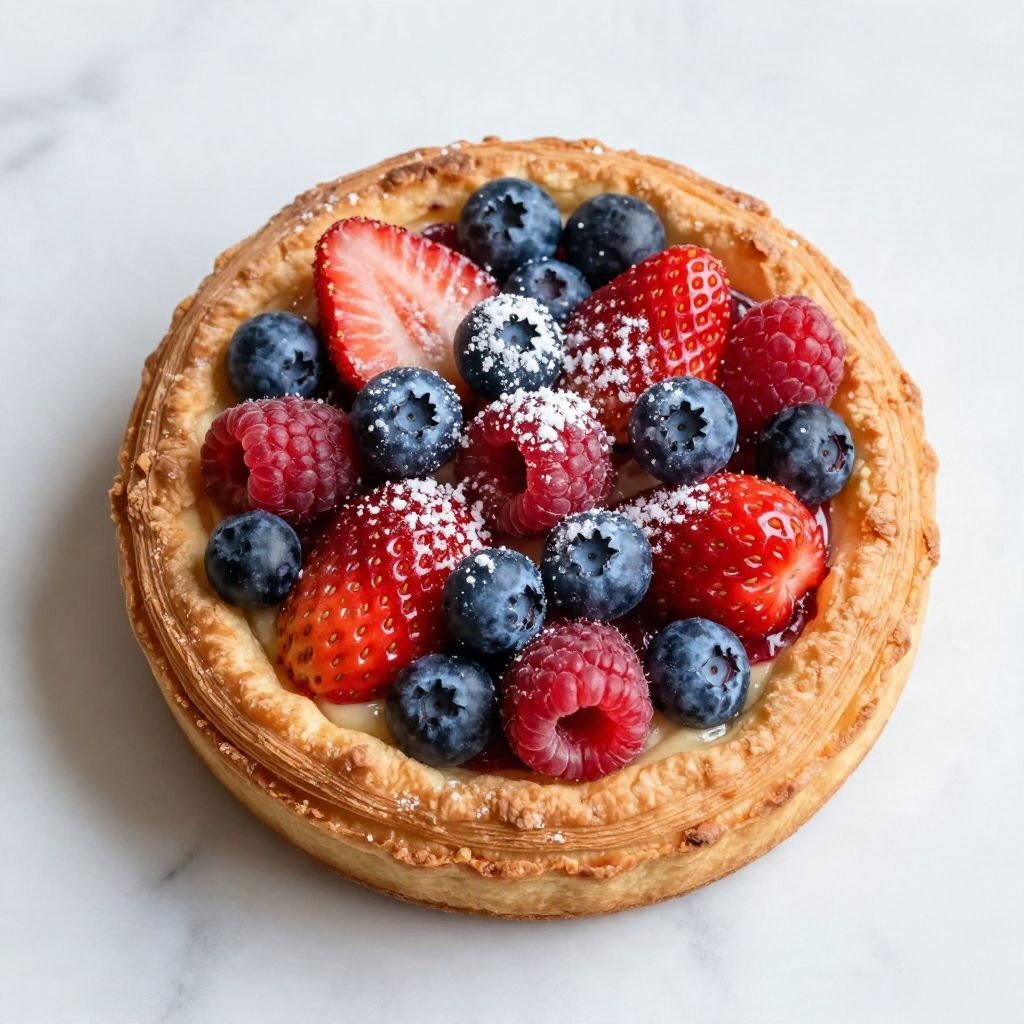
My family always raves about the buttery flavor, especially when I fill it with fresh berries or rich chocolate ganache. There’s a sense of pride that comes from making my own pastry dough, and I know you’ll feel the same!
Recipe Overview
- Recipe Name: Pâte Sucrée
- Servings: 8
- Prep Time: 15 minutes
- Cook Time: 20 minutes
- Total Time: 35 minutes
- Course: Dessert
- Cuisine: French
- Calories per Serving: 200
Equipment You Will Need
- Mixing bowl
- Pastry cutter or fork
- Rolling pin
- 9-inch tart pan
- Plastic wrap
Ingredients for Pâte Sucrée
- 1 1/4 cups all-purpose flour
- 1/4 cup granulated sugar
- 1/2 cup unsalted butter, softened
- 1 large egg yolk
- 1/4 teaspoon salt
Ingredient Notes and Substitutions
- All-purpose flour: Provides the structure; consider using gluten-free flour for a gluten-free version, but it may alter the texture.
- Granulated sugar: Adds sweetness; you can use powdered sugar for a finer texture.
- Unsalted butter: Essential for flavor; substitute with margarine if dairy-free.
- Egg yolk: Adds richness; use a flaxseed meal mixture for a vegan alternative.
How to Make Pâte Sucrée
Step 1: Combine Dry Ingredients
In a mixing bowl, whisk together the flour, sugar, and salt. This ensures even distribution of the ingredients, which is key to a consistent dough.
Step 2: Add Butter
Cut the softened butter into the dry mixture using a pastry cutter or fork until it resembles coarse crumbs. This step is crucial for achieving that flaky texture.
Step 3: Incorporate Egg Yolk
Add the egg yolk to the mixture and stir until just combined. This helps bind the ingredients together without overworking the dough.
Step 4: Form the Dough
Turn the dough out onto a lightly floured surface and knead gently. This brings the dough together, but you want to avoid over-kneading, which can toughen it.
Step 5: Chill the Dough
Wrap the formed dough in plastic wrap and refrigerate for at least 30 minutes. Chilling firms up the butter, making it easier to roll out.
Step 6: Roll Out the Dough
Once chilled, roll the dough out on a floured surface to about 1/8 inch thick. This thickness is ideal for a tender crust.
Step 7: Transfer to Tart Pan
Carefully place the rolled dough into your tart pan, pressing it into the edges. This step ensures an even bake and prevents shrinkage during cooking.
Step 8: Pre-bake the Crust
Preheat your oven to 350°F (175°C) and bake the crust for 20 minutes or until lightly golden. Pre-baking helps set the dough, preventing sogginess from filling.
Pro Tip: Always chill your dough before rolling for the best texture and ease of handling.
Tips for the Best Pâte Sucrée
- Use cold butter to maintain flakiness.
- Don’t skip the chilling step; it makes a huge difference.
- Be gentle when mixing to avoid tough dough.
- Try adding vanilla extract for extra flavor.
- Keep the work surface lightly floured to prevent sticking.
Common Mistakes to Avoid
- Overworking the dough can lead to a tough texture.
- Using warm butter instead of cold will affect flakiness.
- Skipping the chilling step can result in shrinkage.
- Not pre-baking can cause a soggy bottom.
Serving Suggestions
This luscious pastry pairs beautifully with various fillings and toppings.
- Fresh fruit and whipped cream
- Rich chocolate ganache
- Custard or pastry cream
- Ice cream or sorbet
Variations to Try
- Add lemon zest for a citrusy twist.
- Incorporate ground nuts for added flavor.
- Use cocoa powder to create a chocolate version.
- Experiment with spices like cinnamon for warmth.
Dietary Adaptations
- Gluten-free: Substitute with a gluten-free flour blend, though texture may vary.
- Dairy-free: Use vegan butter for a dairy-free option.
- Vegetarian: This recipe is naturally vegetarian.
- Low-carb/keto: Try almond flour for a lower-carb alternative, but adjust moisture accordingly.
Storage and Reheating
Refrigerator
Store the dough wrapped in plastic in the refrigerator for up to 3 days.
- Make sure it is tightly sealed to avoid drying out.
Freezer
Freeze the dough wrapped in plastic for up to 3 months.
- Thaw in the refrigerator before use for best results.
Reheating
Reheat pre-baked crusts in a 350°F (175°C) oven for about 5 minutes.
- This restores crispness before adding filling.
Nutrition Information
| Nutrient | Amount |
|---|---|
| Calories | 200 |
| Total Fat | 12g |
| Saturated Fat | 7g |
| Carbohydrates | 21g |
| Fiber | 1g |
| Sugar | 6g |
| Protein | 2g |
| Sodium | 120mg |
| Cholesterol | 30mg |
This information is an estimate and may vary based on the specific ingredients used.
Frequently Asked Questions
Can I make this dough ahead of time?
Absolutely! You can prepare the dough and refrigerate or freeze it until you are ready to use it.
What if my dough is too crumbly?
If your dough is too crumbly, you can add a little cold water, one teaspoon at a time, until it comes together.
How long can I store the dough?
Refrigerated dough can last up to 3 days, while frozen dough is good for up to 3 months.
Can I use whole wheat flour instead?
Yes, but be aware that it will change the texture and flavor, resulting in a denser crust.
What is the best way to prevent the crust from shrinking?
Make sure to chill the dough thoroughly before baking and avoid stretching it when placing it in the tart pan.
Final Thoughts
Making your own Pâte Sucrée is a rewarding experience that adds a personal touch to your baking. With its rich flavor and crumbly texture, this pastry dough will undoubtedly become a staple in your kitchen.
So why not give it a try? You might just find yourself whipping up tarts and pies more often! For more pastry tips, check out this Betty Crocker Pie Crust Recipe and learn how to make a delicious Quiche Crust Recipe.
Ingredients
Equipment
Method
- In a mixing bowl, whisk together the flour, sugar, and salt.
- Cut the softened butter into the dry mixture using a pastry cutter or fork until it resembles coarse crumbs.
- Add the egg yolk to the mixture and stir until just combined.
- Turn the dough out onto a lightly floured surface and knead gently.
- Wrap the formed dough in plastic wrap and refrigerate for at least 30 minutes.
- Roll the dough out on a floured surface to about 1/8 inch thick.
- Carefully place the rolled dough into your tart pan, pressing it into the edges.
- Preheat your oven to 350°F (175°C) and bake the crust for 20 minutes or until lightly golden.