
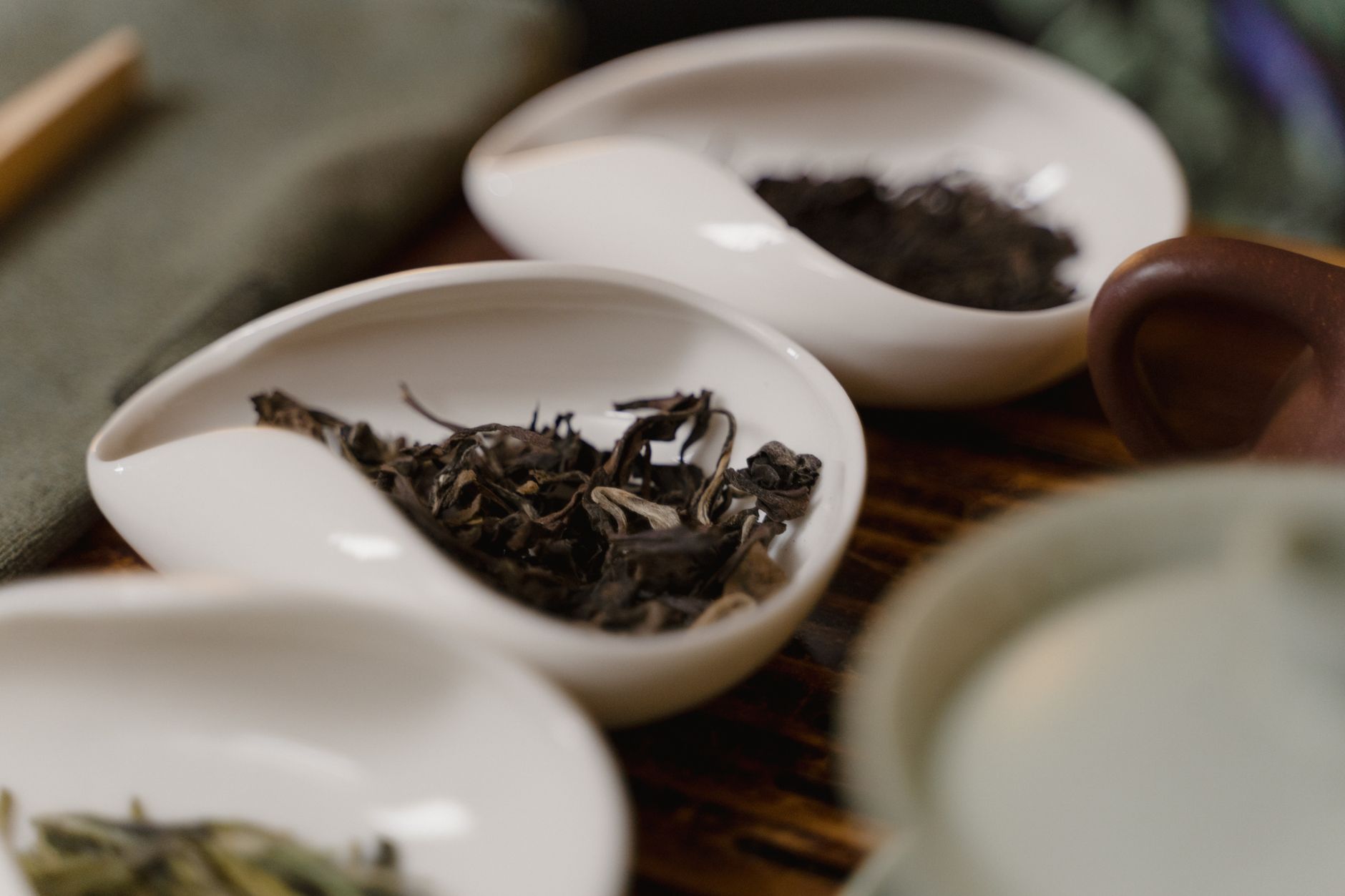
Oolong tea is a revered beverage that lies somewhere between green and black tea, offering a unique flavor profile treasured by tea enthusiasts. These semi-oxidized leaves provide a delightful drinking experience and a plethora of health benefits. Understanding the essence of oolong tea encompasses exploring its ingredients, flavor complexities, and how to best serve it.
In this comprehensive guide, we will delve into what oolong tea is, the various types of oolong, their distinct flavors, and the proper ways to brew and serve this exquisite drink. Whether you are a seasoned tea lover or new to the world of oolong, this article is designed to enhance your appreciation for this beautiful beverage.
What Is a Oolong?
Oolong tea is a traditional Chinese tea that is partially oxidized, resulting in a flavor that is in between the robust black tea and the lighter green tea. This unique processing method contributes to a diverse range of flavor profiles, aromas, and colors.
The term “oolong” translates to “black dragon” in Chinese, referencing the dark, twisted appearance of its leaves. Oolong tea comes primarily from the Fujian and Guangdong provinces of China and is also produced in Taiwan, where it is known for its distinct flavor attributes.
Ingredients of Oolong Tea
At its core, oolong tea is made from tea leaves of the Camellia sinensis plant. The quality and characteristics of the leaves significantly affect the taste, aroma, and overall experience of the tea. Here are the essential components:
- Camellia sinensis leaves: The primary ingredient, which can be sourced from different regions leading to a variety of flavor profiles.
- Water: The type and temperature of the water used affect the extraction of flavors from the leaves.
Unlike herbal teas, oolong tea does not contain any additional flavorings or sweeteners in its base form. However, it can be enjoyed with additions like honey, lemon, or milk based on personal taste preferences. Each of these can complement the natural flavors of oolong tea.
Flavor Profile of Oolong Tea
The flavor of oolong tea is remarkably diverse, primarily attributed to several factors:
- Oxidation levels: The degree of oxidation can range anywhere from 10% to 85%, shaping the tea’s flavor. Lesser oxidation yields a more floral and grassy note, while greater oxidation provides a richer, deeper flavor.
- Growing conditions: The climate, soil, and elevation of the tea-growing regions influence the flavor. For example, oolong tea from Taiwan often has a creamy, floral taste, while Fujian oolong typically offers a roasted, nutty profile.
- Processing methods: The way the leaves are handled during withering, rolling, and drying also affects taste. Traditional methods may lend a smoky or toasty flavor, while modern processing techniques can enhance sweetness and freshness.
In essence, oolong tea can range from sweet and fruity to woody and earthy, with many variants having complex undertones. A well-brewed cup can showcase both floral and mineral notes, often followed by a lingering sweetness.
Types of Oolong Tea
Oolong tea is categorized into various types based on their origin, oxidation level, and taste profiles. Here are some notable varieties:
- Tie Guan Yin (Iron Goddess of Mercy): This highly prized Chinese oolong is known for its floral fragrance and creamy mouthfeel.
- Da Hong Pao (Big Red Robe): A famous Wuyi rock oolong that is deeply roasted, offering a bold flavor profile with rich, dark notes.
- Milk Oolong: Originating from Taiwan, this tea is known for its creamy aroma and taste, thanks to traditional processing techniques.
- Oriental Beauty: A unique Taiwanese oolong that is allowed to oxidize fully, leading to a sweet, fruity flavor with honey-like notes.
- Wuyi Oolong: Grown in the Wuyi Mountains, this oolong has a distinctive mineral taste, often paired with a subtle sweetness.
Understanding the different types of oolong tea allows one to select based on flavor preferences and occasions, whether seeking a floral tea for afternoon sipping or a robust one for hearty meals.
Brewing Oolong Tea
Brewing oolong tea properly is essential to unlocking its flavors and aromas. Here are crucial steps for teapot brewing:
Ingredients Needed
- Oolong tea leaves (1 to 2 teaspoons per cup or 5 grams for a teapot)
- Filtered water (preferably soft and free from chemicals)
Tools Required
- Teapot or gaiwan (traditional Chinese lidded bowl)
- Teaspoon or tea scale
- Water kettle (with temperature control, if possible)
- Tea strainer (if using loose leaves)
Brewing Method
- Measure tea leaves: Use 1 to 2 teaspoons of oolong leaves per cup of water, adjusting to personal flavor preference.
- Heat water: For most oolong teas, heat water to about 190°F to 205°F (88°C to 96°C). Darker oolongs can handle hotter water.
- Add leaves: Place the measured leaves into the teapot or gaiwan.
- Steep: Pour hot water over the leaves and steep for 3 to 5 minutes, adjusting steep time based on the type of oolong (lighter oolongs = shorter steep; darker oolongs = longer steep).
- Strain and serve: If using loose leaves, strain the tea when pouring. Enjoy the fragrance and flavor of your freshly brewed oolong tea!
Tips for Best Results
- Consider multiple infusions: Oolong teas can be steeped multiple times, with each infusion revealing different flavor nuances.
- Experiment with steeping time and water temperature to find your preferred flavor balance.
- Use a quality tea: Opt for high-grade oolong for the best flavor and aroma. Look for whole leaves instead of broken or powdered ones.
How to Serve Oolong Tea
Oolong tea can be enjoyed on its own or paired with a variety of foods. Here are some tips on how to serve and enhance your oolong tea experience:
Serving Temperatures
Oolong tea is typically served hot, but it can also be enjoyed cold. After brewing, allow the tea to cool slightly to around 130°F to 160°F (54°C to 71°C) before serving for optimal flavor.
Pairing with Food
The unique flavor of oolong tea makes it versatile for food pairings:
- Light oolongs: Pair well with light dishes such as salads, seafood, and soft cheeses. Their floral notes complement the delicate flavors.
- Medium to dark oolongs: These can stand up to richer foods like stir-fried dishes, grilled meats, or even roasted duck.
Enhancements and Variations
While oolong tea is delightful on its own, consider these enhancements:
- Sweeteners: Honey or agave syrup can add a dimension to the tea that brings out its natural sweetness.
- Milk: Some people enjoy adding milk or cream to darker oolongs for a creamy texture.
- Citrus: A slice of lemon can create a refreshing twist.
Potential Health Benefits
While scientific consensus on the health benefits of oolong tea continues to evolve, several potential advantages have been noted:
- Antioxidants: Oolong tea is rich in antioxidants which may help combat free radicals in the body.
- Heart health: Some studies suggest that regular consumption may lead to improved heart health and lower cholesterol levels.
- Weight management: Oolong tea can potentially assist in weight management by boosting metabolism.
However, it’s important to note that drinking oolong tea should be part of a balanced diet and not be considered a cure for any health condition.
Common Mistakes When Brewing Oolong Tea
Even experienced tea drinkers can encounter challenges with oolong tea. Here are a few common mistakes to avoid:
- Using water that’s too hot: This can lead to bitter flavors, particularly in lighter oolongs. Always ensure the water is at the correct temperature.
- Insufficient steeping time: Not allowing the tea enough time to infuse can result in a lackluster flavor.
- Over-steeping: Conversely, oversteeping can lead to overly bitter flavors, especially in darker oolongs.
Storage and Preservation of Oolong Tea
Proper storage of oolong tea is essential to maintain its freshness and flavor. Follow these guidelines:
- Airtight containers: Store oolong leaves in airtight containers to protect them from moisture and air exposure.
- Cool, dark place: Keep tea in a cool, dark cupboard away from direct sunlight and heat sources.
- Use quickly: For best flavor, consume within 6 to 12 months of purchase, as the freshness diminishes over time.
Exploring the World of Oolong Tea
As you venture into the world of oolong tea, consider trying various brands and types to find your favorites. Look for reputable suppliers that focus on high-quality teas with authentic characteristics. Attending tea tastings or workshops can enhance your understanding and appreciation of this nuanced beverage.
Embrace the diverse flavors, aromas, and cultural practices surrounding oolong tea, ultimately enhancing your overall enjoyment and knowledge of this remarkable drink.
For those interested in further reading, explore topics like black tea or ginger, which provide additional insights into other tea varieties and uses.