
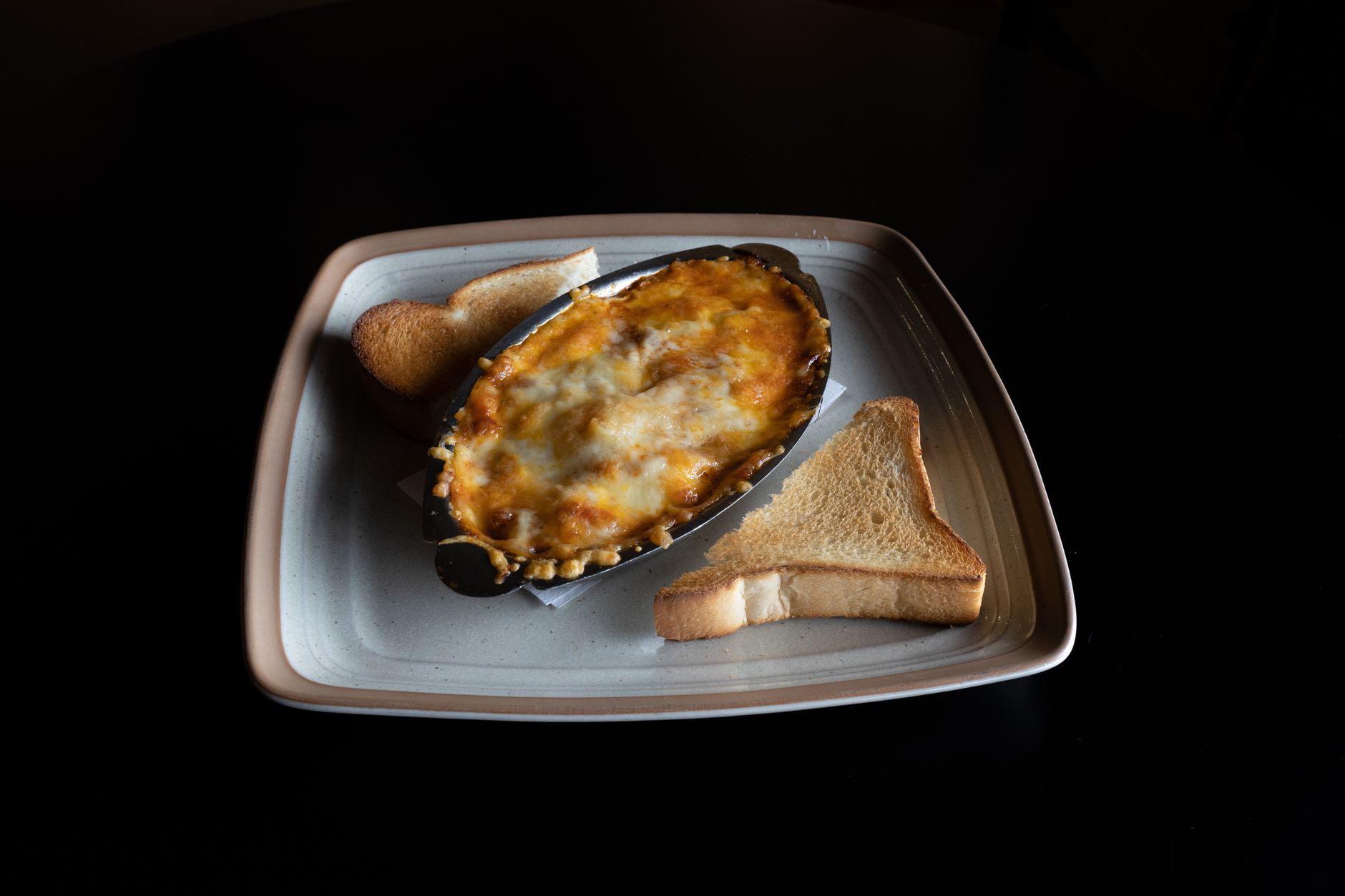
Lasagna is a beloved Italian dish that layers pasta with rich sauces, cheese, and often meat or vegetables. It’s an excellent option for family dinners, potlucks, or meal prep. While the flavors of lasagna need time to meld, knowing the proper baking time and temperature is crucial for a perfectly layered and satisfying meal.
This guide will detail how long to bake lasagna, including optimal temperatures, timing considerations, and techniques for ensuring your dish comes out just right. Whether you’re working from a classic recipe or experimenting with your variations, mastering the baking process is essential for success.
How Long Do I Bake a Lasagna?
Typically, a traditional lasagna should be baked at 375°F (190°C) for 45 minutes to 1 hour. If using no-boil lasagna noodles, follow the same temperature, but keep a watchful eye on moisture levels to avoid a dry dish. Baking time can vary based on the ingredients used and the size of the dish.
Understanding Baking Times: Factors to Consider
When baking lasagna, several factors influence the overall baking time:
- Oven Temperature: As mentioned, most lasagna recipes call for an oven temperature of 375°F (190°C). However, if you prefer a crispier top, you can raise the temperature to 400°F (204°C) during the last 10-15 minutes of baking. This method browns the cheese nicely, creating a delicious contrast.
- Lasagna Type: Traditional recipes utilizing cooked noodles may bake differently than those using no-boil noodles. No-boil noodles require slightly more liquid, so adjustments may need to be made in baking times.
- Ingredient Variations: The type and amount of filling can impact baking time. If you add more meat or vegetables, expect to lengthen the cooking time to ensure everything is heated thoroughly.
- Pan Size: The size and shape of your baking dish can also affect baking times. A deeper dish may require a longer bake, while a shallow dish may cook more quickly.
Lasagna Baking Time per Recipe Type
Classic Meat Lasagna
- Preheat your oven to 375°F (190°C).
- Assemble your lasagna in a deep, 9×13 inch baking dish.
- Cover the dish with aluminum foil, making sure it doesn’t touch the cheese.
- Bake for 45 minutes, then remove the foil and bake for an additional 15-20 minutes or until the cheese is melted and bubbly.
Vegetarian Lasagna
- Preheat your oven to 375°F (190°C).
- Layer the noodles, sauce, and cheese in a deep baking dish.
- Cover with foil and bake for about 40-50 minutes.
- Uncover and bake for another 10-15 minutes, until the cheese is bubbly and golden.
No-Boil Lasagna
- Preheat your oven to 375°F (190°C).
- Layer the ingredients, adding more sauce to ensure the no-boil noodles have sufficient moisture.
- Cover the dish for the first half of the baking time, usually about 50 minutes.
- Remove the cover and increase the baking time to 10-20 minutes until the cheese is browned and bubbly.
Tips for Perfect Lasagna Baking
- Let It Rest: After removing the lasagna from the oven, allow it to rest for at least 15 minutes before cutting. This helps the layers set and makes serving easier.
- Check Temperature: Use a food thermometer to ensure that your lasagna has reached an internal temperature of 165°F (74°C), which is important for food safety, especially if using meat.
- Avoid Dry Lasagna: If you notice the top is browning too quickly, cover it with foil to avoid drying out. Conversely, uncover it during the last stages if you want a crispy top.
Common Mistakes When Baking Lasagna
- Skipping the Resting Time: Cutting into a hot lasagna straight from the oven can cause it to fall apart. Patience is key!
- Insufficient Sauce: Ensuring you have enough sauce is critical, especially with no-boil noodles. These noodles absorb moisture; if there isn’t sufficient liquid, you may end up with an overly dry dish.
- Overcrowding Ingredients: More isn’t always better. Overstacking ingredients can lead to uneven baking. Stick to the recommended amounts for balanced layering.
Ingredient Variations
Meat Alternatives
If you’re looking to make your lasagna with different proteins, consider the following options:
- Ground Turkey or Chicken: These leaner options can be used in place of beef or pork, adjusting cooking times slightly based on the moisture content.
- Plant-Based Meats: Use a vegetable-based ground meat replacement for a vegetarian option.
Vegetable Choices
Feel free to incorporate vegetables into your lasagna. Here are some flavorful alternatives:
- Spinach: Fresh or frozen spinach can add nutritional value and flavor.
- Zucchini: Thinly sliced zucchini can replace noodles in a low-carb approach.
- Mushrooms: These add an earthy flavor and can be used in place of meat or as an additional filling.
Cheese Options
Different types of cheese can influence the final flavor and texture of your lasagna:
- Ricotta: Essential for classic lasagna, but can be mixed with other cheeses for varied flavors.
- Mozzarella: Regular or low-moisture mozzarella provides excellent melting properties.
- Parmesan: A good option for sprinkling on top for added flavor.
Lasagna Storage and Reheating
Lasagna is an excellent dish for make-ahead meals. Here’s how to store and reheat it effectively:
Storing Lasagna
- Refrigeration: Allow your lasagna to cool completely before covering it with plastic wrap or aluminum foil. It can be stored in the fridge for up to three days.
- Freezing: To freeze lasagna, assemble it but do not bake. Wrap tightly in foil or an airtight container. It will last in the freezer for up to three months. When ready to bake, thaw in the refrigerator overnight and then follow the baking instructions, adding an additional 10-15 minutes to the bake time.
Reheating Lasagna
When reheating, ensure the lasagna is heated all the way through to at least 165°F (74°C).
- Oven: Preheat the oven to 350°F (175°C), cover your lasagna with foil, and bake for 20-30 minutes until heated throughout.
- Microwave: Cut a portion and microwave for about 2-3 minutes on medium power. Cover with a microwave-safe lid to maintain moisture.
Serving Suggestions
Lasagna is a hearty meal on its own but pairs beautifully with different sides:
- Salad: A fresh side salad with greens and a zesty vinaigrette balances out the richness of lasagna.
- Bread: Serve with garlic bread or a crusty loaf to soak up sauce.
- Wine: Pair with a medium-bodied red wine, such as Chianti or Merlot, to enhance the meal’s flavors.
Conclusion
Understanding how long to bake lasagna can elevate your cooking and ensure a delicious meal that everyone will enjoy. With the right temperature, timing, and an eye for quality ingredients, you can create a flavorful, comforting dish every time. Try experimenting with different fillings and styles to make the recipe your own.
For further inspiration, check out our recipes for a delicious Million Dollar Lasagna or learn how long lasagna takes to cook thoroughly. Happy baking!