
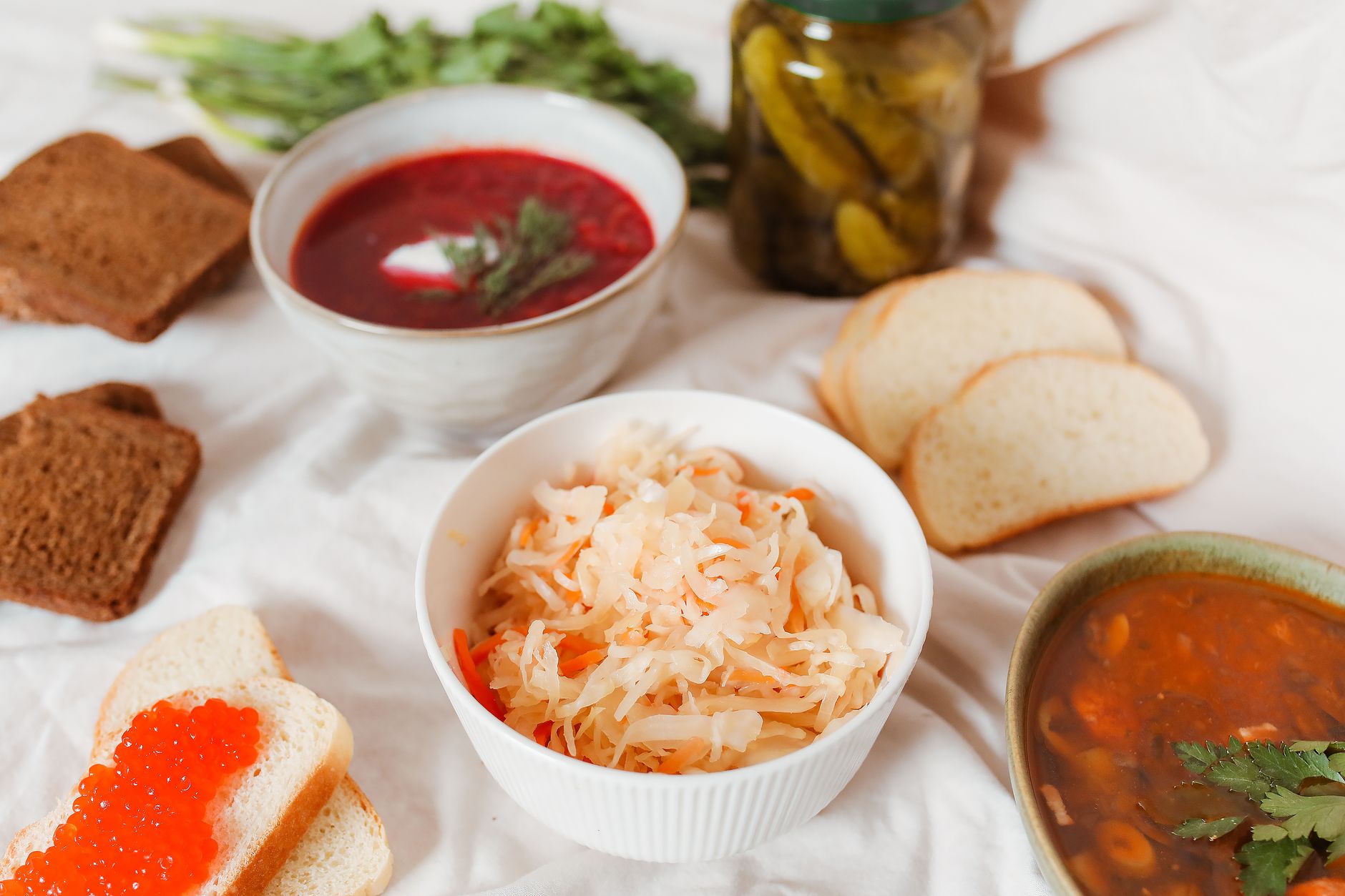
Sauerkraut is a beloved fermented dish known for its tangy flavor and crunchy texture. While it may seem complex, understanding what sauerkraut is made from reveals that its ingredients are simple and straightforward. This fermented food not only adds zest to various meals but also carries health benefits from its probiotic content.
In this article, we will explore the primary ingredients of sauerkraut, how they come together, some tips for serving, and various ways to incorporate this tangy delight into your meals.
What Is Sauerkraut Made From?
Sauerkraut is primarily made from two key ingredients: cabbage and salt. These two elements undergo a fermentation process that transforms them into the tangy condiment we know today. Let’s break down each ingredient in detail.
The Main Ingredients
Cabbage
The primary ingredient in sauerkraut is cabbage, with green cabbage being the most common choice. Cabbage is rich in vitamins C and K, as well as fiber. During fermentation, the sugars in the cabbage are converted into lactic acid, which not only acts as a preservative but also gives sauerkraut its signature sour taste.
Salt
Salt plays a crucial role in the fermentation process. It helps to draw water out of the cabbage, creating a brine that is essential for fermentation. The salt content also inhibits the growth of harmful bacteria while encouraging the development of beneficial ones. Typically, the ratio is about 2% to 3% salt by weight compared to the cabbage.
How Sauerkraut Is Made
The process of making sauerkraut is straightforward yet requires careful attention to detail. Below is a general overview of the steps involved in creating this fermented dish:
- Preparation of Cabbage: Start with fresh, firm heads of cabbage. Remove any damaged outer leaves and rinse the cabbage under cold water.
- Shredding: Cut the cabbage into quarters, remove the core, and then shred the cabbage using a knife, mandoline, or food processor.
- Mixing with Salt: Place the shredded cabbage into a large mixing bowl and sprinkle the salt over it. Massage the cabbage with your hands for about 5 to 10 minutes until it begins to release liquid.
- Packing in Jars: Pack the salted cabbage into a clean glass jar or fermentation crock, pressing down firmly to eliminate air pockets and submerge the cabbage in its liquid.
- Fermentation: Cover the jar with a cloth or lid and let it sit at room temperature (around 65-75°F or 18-24°C) for 1 to 4 weeks. Taste it during this period until it reaches your desired flavor.
- Storing: Once fermented, transfer the sauerkraut to the refrigerator, where it can last for several months.
Flavor and Texture
Sauerkraut has a uniquely bold and tangy flavor profile, enhanced by the fermentation process. The texture is crunchy, providing a pleasant contrast when paired with rich or savory dishes. Depending on the fermentation duration, the taste can range from mild to intensely sour, making it a versatile ingredient in various meals.
Serving Suggestions
When it comes to incorporating sauerkraut into your meals, the options are vast and varied. Here are some practical serving suggestions:
- As a Side Dish: Serve sauerkraut alongside sausages, pork chops, or bratwurst for a classic German pairing.
- In Sandwiches: Use sauerkraut as a tangy topping for sandwiches, especially Reubens, where it pairs beautifully with corned beef and Swiss cheese.
- In Salads: Mix sauerkraut with other vegetables, grains, or proteins for a probiotic-rich salad. Try it in a quinoa salad for added texture and flavor.
- With Eggs: Incorporate sauerkraut into breakfast by adding it to scrambled eggs or omelets for a flavorful twist.
- On Tacos: Top tacos with sauerkraut for a zesty crunch that complements both meat and veggie fillings.
Practical Tips for Making Sauerkraut
Choosing Cabbage
Freshness is key. Look for solid, heavy heads of cabbage, preferably organic if possible, as they usually yield the best flavor.
Salt Selection
Use non-iodized salt, such as sea salt or kosher salt, as iodized salt can affect the fermentation process. Avoid table salt, which often contains anti-caking agents.
Monitoring Fermentation
Keep an eye on the fermentation process. If the sauerkraut begins to float above the brine, use a weight to keep it submerged and ensure proper fermentation.
Taste Testing
Start tasting your sauerkraut after one week of fermentation. This is a personal choice; some may prefer a milder taste while others may enjoy a stronger sourness. Fermentation will continue in the refrigerator but at a much slower pace.
Common Mistakes and Troubleshooting
Too Salty or Not Salty Enough
If your sauerkraut tastes too salty, it may be a result of using too much salt in the initial mix. If it’s not salty enough, there may not be enough brine to support fermentation. Adjusting salt levels in future batches can lead to a more favorable taste.
Mold Growth
It’s common to see white film or bubbles on the surface, which might be a sign of yeast. As long as there are no signs of black mold, you can skim this off without issue. If black mold appears, discard the batch entirely.
Soft or Mushy Texture
If the sauerkraut becomes overly soft or mushy, it may be due to using a variety of cabbage that doesn’t hold up well during fermentation or fermentation that occurred in warmer temperatures. Stick to firm cabbage varieties like green cabbage for optimal texture.
Health Benefits of Sauerkraut
Beyond its culinary applications, sauerkraut offers several health benefits, largely attributed to its fermentation process:
- Probiotics: Rich in beneficial bacteria that can support gut health and digestion.
- Vitamins and Minerals: A good source of vitamins C, K, and B vitamins, along with minerals such as potassium and calcium.
- Antioxidants: Contains antioxidants that may help reduce inflammation and protect against chronic diseases.
Storage and Preservation
Proper storage is essential to maintaining the quality of homemade sauerkraut. Once fermentation is complete, refrigerate the sauerkraut in a tightly sealed jar to prevent spoilage. When stored correctly, it can last for several months, with flavor continuing to develop over time.
Variations on Traditional Sauerkraut
While traditional sauerkraut sticks to simple cabbage and salt, there are plenty of variations you can explore to suit your taste preferences:
Flavor Additions
Consider adding spices or additional vegetables during the fermentation process:
- Carrots: Shredded carrots add sweetness and color to your sauerkraut.
- Caraway Seeds: These seeds lend an earthy, nutty flavor to the mix.
- Garlic: Slivers of garlic can impart a robust flavor profile.
- Spices: Experiment with spices such as mustard seeds or peppercorns for added depth.
Other Vegetables
Besides cabbage, you can experiment with other vegetables for unique ferments:
- Napa Cabbage: A sweeter, milder option that works beautifully in Asian-style dishes.
- Radishes: These can add a peppery crunch to your fermented dishes.
- Beets: For an earthy sweetness and vibrant color.
Conclusion
Sauerkraut is a delightful fermented food that is both simple to make and packed with flavor and health benefits. With just cabbage and salt, you’ll embark on a culinary journey that leads to a crunchy, tangy addition to many dishes. Experiment with different ingredients and serve it in various ways to delight your taste buds.
For more delicious recipes, consider making homemade napa cabbage or exploring how to create your own pickling spice for an array of flavorful dishes.