
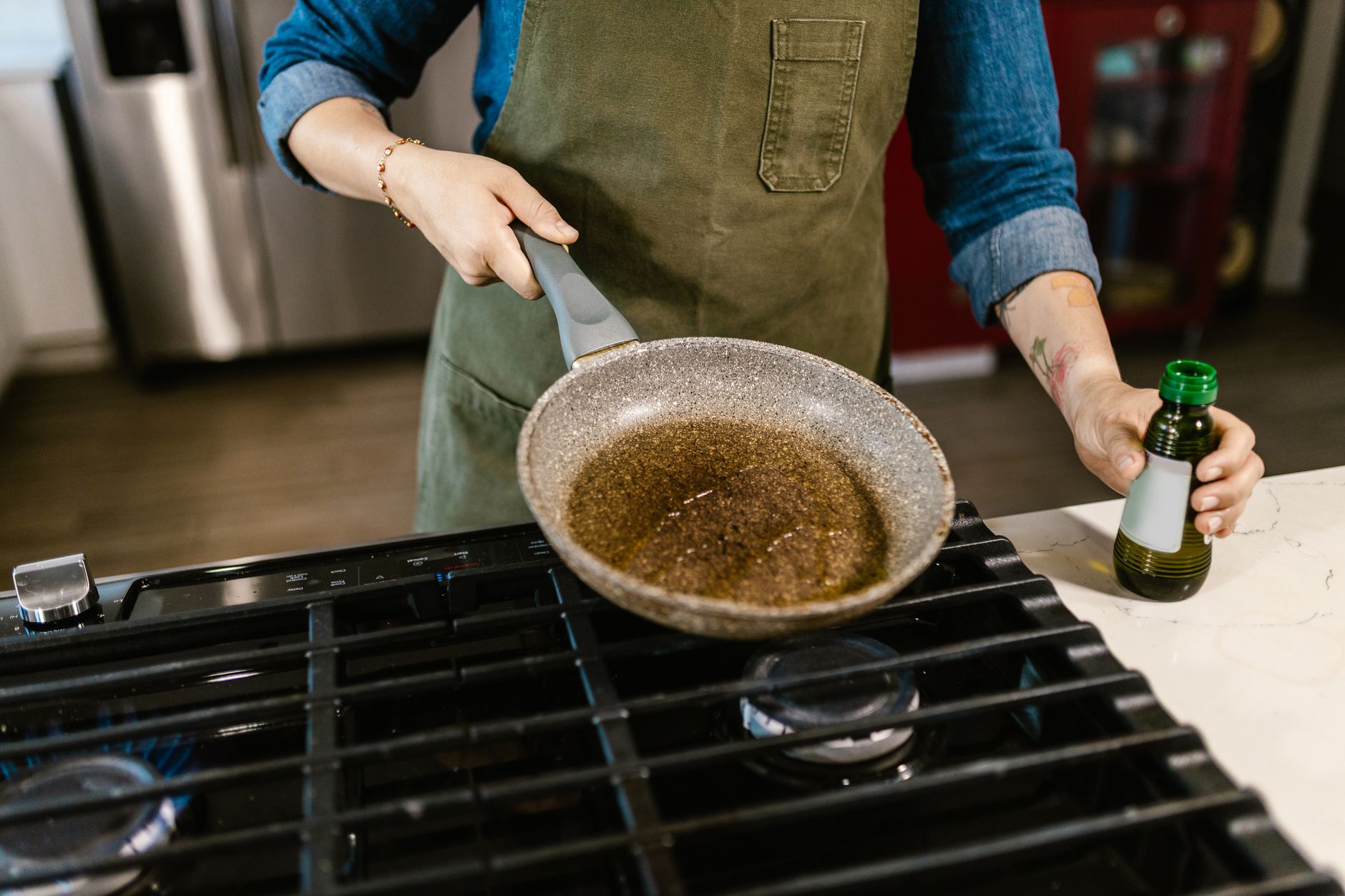
Many home cooks and culinary enthusiasts wonder if olive oil is suitable for frying. The good news is that not only can you use olive oil for frying, but it can also impart a distinct flavor to your dishes. This article will explore the different types of olive oil, the frying process, and tips for achieving the best results.
In this guide, you will learn about preparation, timing, serving tips, and potential pitfalls when frying with olive oil. Whether you’re making a simple sauté or deep-frying, understanding how to work with olive oil can elevate your cooking game.
Can U Use Olive Oil to Fry?
Yes, you can use olive oil to fry food. It has a high smoke point, making it a safe choice for frying, while also adding a unique and pleasant flavor to your dishes. The key is to choose the right type of olive oil and use appropriate frying techniques to get the best results.
Types of Olive Oil
Before you jump into frying, it’s helpful to understand the different types of olive oil available. Here are the main varieties:
- Extra Virgin Olive Oil: This is the highest quality and most flavorful type of olive oil. It is cold-pressed, unrefined, and contains antioxidants. Extra virgin olive oil is ideal for lighter sautéing and frying at lower temperatures.
- Virgin Olive Oil: Similar to extra virgin but with a slightly higher acidity level and a milder flavor. It can be used for frying, but it may not impart as robust a flavor as extra virgin.
- Pure Olive Oil: This oil has been refined to remove impurities, resulting in a lighter taste and a higher smoke point. It is suitable for frying at higher temperatures, making it a versatile option.
- Light Olive Oil: This is a refined oil with a very mild flavor and high smoke point. Despite the name, it is not lower in calories. This oil is excellent for frying, especially when you want to avoid any prominent olive flavor.
Frying with Olive Oil: Benefits and Considerations
Frying with olive oil has several advantages. Its rich flavor can enhance the taste of dishes, while its healthy fat content offers nutritional benefits. Here are some factors to consider:
- Flavor: Olive oil adds a distinct taste that can enhance Mediterranean dishes, vegetables, and proteins.
- Health Benefits: Olive oil is rich in monounsaturated fats and antioxidants, potentially benefiting heart health.
- Smoke Points: Different types of olive oil have varying smoke points (the point at which the oil begins to smoke and break down), so select the right type based on your frying method.
- Cost: Extra virgin olive oil is more expensive than other oils, so consider your budget and the intended use for the oil.
Choosing the Right Olive Oil for Frying
When deciding which olive oil to use for frying, keep the following points in mind:
- For frying at low to medium temperatures (up to 350°F), extra virgin or virgin olive oil is suitable for sautéing vegetables or proteins.
- For deep-frying, consider using pure olive oil or light olive oil due to their higher smoke points.
- If you need a neutral flavor, go for pure or light olive oil.
- Always check for freshness and quality. Look for oils labeled with a harvest date and choose dark glass bottles or tins to prevent light exposure.
Preparing for Frying with Olive Oil
When you’re ready to fry with olive oil, proper preparation is key. Here are steps to ensure a successful frying experience:
Ingredients Needed
- Olive oil (choose the type based on your frying needs)
- Fresh ingredients for frying (vegetables, proteins, etc.)
- Seasonings and spices (as desired)
Essential Equipment
- Heavy-bottomed frying pan or skillet
- Spatula or tongs for flipping
- Thermometer (for monitoring oil temperature)
- Paper towels (for draining excess oil)
- Cutting board and knife (for prep work)
Preparation Steps
- Gather all your ingredients and equipment. Make sure everything is within reach.
- Prep your ingredients by chopping vegetables or marinating proteins.
- Measure out the olive oil you will need for frying.
Frying Techniques Using Olive Oil
Frying techniques can vary depending on what you are cooking. Below are methods you can use for frying with olive oil:
Sautéing
Sautéing is a quick cooking method involving cooking food in a small amount of oil over medium heat. Here’s how to do it:
- Heat your skillet over medium heat for a couple of minutes.
- Add enough olive oil to coat the bottom of the pan (about 2 tablespoons).
- Allow the oil to heat until it shimmers but does not smoke.
- Add your prepared ingredients and cook, stirring frequently until done.
Shallow Frying
Shallow frying involves using more oil than sautéing but less than deep-frying, typically covering about half the thickness of the food. Here’s how to shallow fry:
- Heat the frying pan over medium to medium-high heat.
- Add enough olive oil to reach halfway up the sides of the food you will fry. This usually requires 1 to 2 cups, depending on the quantity of food.
- Use a thermometer to monitor the oil temperature, aiming for around 350°F to 375°F.
- Add the food in batches, avoiding overcrowding the pan. Fry until golden brown, and flip as necessary.
Deep Frying
For deep frying, immerse the food fully in heated olive oil. Here’s how to get it right:
- Choose a deep pot or fryer to allow ample space for the oil and food.
- Pour in enough olive oil to submerge the food completely, typically about 3 to 4 cups.
- Heat the oil to 350°F to 375°F. Use a thermometer for accuracy.
- Once at temperature, carefully add the food using a slotted spoon or basket.
- Fry until golden brown and cooked through, monitoring the temperature and adjusting the heat as needed.
Tips for Frying with Olive Oil
To ensure success when frying with olive oil, keep these tips in mind:
- Always preheat your oil before adding food to avoid sticking and ensure even cooking.
- Don’t overcrowd the pan, as it can lower the oil temperature and lead to soggy food.
- Use a thermometer to check the oil temperature, especially for deep frying.
- Drain fried food on paper towels to remove excess oil; this helps keep it crispy.
- Store unused olive oil in a cool, dark place, and seal tightly to preserve freshness.
Common Mistakes While Frying with Olive Oil
Avoid these frequent errors to ensure a successful frying experience:
- Using the Wrong Temperature: Not getting the oil hot enough can lead to greasy food, while overheating can burn the oil.
- Choosing Low-Quality Oil: An inferior olive oil can affect taste and frying performance.
- Not Draining Properly: Failing to drain excess oil can make food soggy instead of crispy.
- Reusing Oil Incorrectly: While olive oil can be reused, make sure to strain out food particles and monitor for off smells.
Flavor Considerations
Frying with olive oil can enhance the flavor of your dishes, but it’s essential to consider how it will interact with other ingredients. Here are some tips:
- For Mediterranean-style dishes (like ratatouille or Greek chicken), use extra virgin olive oil to complement the flavors.
- When frying fish or seafood, consider using a lighter olive oil to let the natural flavors shine through.
- If preparing a mildly flavored dish, such as plain vegetables, you may choose pure or light olive oil to avoid overpowering them.
Serving Suggestions
After frying with olive oil, how you present your dish can significantly complement the meal.
- Top fried vegetables with a sprinkle of sea salt and lemon zest for freshness.
- For proteins like chicken or shrimp, consider garnishing with fresh herbs or a drizzle of extra virgin olive oil.
- Serve fried items with dipping sauces, such as aioli or tzatziki, to enhance flavor.
Making Ahead and Storage
If you plan to make fried dishes ahead of time or store leftovers, here are some practical tips:
- Let cooked fried foods cool completely before storing to prevent moisture buildup.
- Store leftovers in airtight containers, separating layers with parchment paper to maintain crispiness.
- Reheat fried food in the oven at 350°F for best results, to regain some crispness.
Reheating Fried Foods
When reheating, you want to avoid sogginess that can come from using a microwave. Here’s a simple method:
- Preheat your oven to 350°F.
- Spread the fried food on a baking sheet in a single layer.
- Bake for 10-15 minutes, or until heated through and crispy.
Conclusion
Frying with olive oil is not only entirely feasible but also enhances the flavor and health benefits of your dishes. By choosing the right type of olive oil and using the proper techniques, you can create delightful fried meals that are both enjoyable and nutritious. Remember to experiment with various oils and seasoning combinations to find your perfect balance.
Explore more related recipes and cooking tips to further enhance your culinary repertoire. Check out our guides on substituting avocado oil for olive oil or our delicious fry bread recipe for more inspiration.